
The Pipiwai Trail is a four-mile hike through the lush Kīpahulu District of Haleakalā National Park. Along the way, the trail passes Makahiku Falls, an enormous banyan tree and Maui’s famous bamboo forest before ending at a viewpoint overlooking the 400-foot Waimoku Falls.
I’ve hiked the Pīpīwai Trail countless times, and it remains one of my absolute favorite hikes on Maui. After living on Maui for nearly 14 years and hiking the Pīpīwai Trail countless times, it remains one of my favorite adventures on the island.
The trail is moderately challenging, frequently muddy and located far beyond Hāna, so it requires more planning than its four-mile distance suggests. In this guide, I’ll cover the trail conditions, parking, fees, difficulty, best time to start and everything you need to know before hiking the Pīpīwai Trail.

For full transparency, this post contains affiliate links, which means I may earn a small commission if you make a purchase - at no additional cost to you. I only recommend products and services that I genuinely use, trust, or believe will add value to your travels. Your support helps me continue creating free travel guides for you to enjoy.
Pipiwai Trail at a Glance
- 📍 Location: Kīpahulu District of Haleakalā National Park
- 🥾 Distance: 4 miles round trip
- ⛰️ Elevation Gain: 800 feet
- 💪 Difficulty: Moderate
- ⏰ Time Needed: 2½–4 hours
- ↔️ Trail Type: Out and back
- 🏁 Trailhead: Near the Kīpahulu Visitor Center
- 🅿️ Parking: Available inside the national park
- 🎫 Entrance Fee: $30 per private vehicle and valid for three days
- 🦅 Or a National Park Pass
- 🎟️ Reservations: No hiking reservation or permit required
- 🚻 Restrooms: Available near the visitor center
- 🐶 Dogs: Not permitted on the trail
- ☀️ Best Time to Start: Early morning
- 🎋 Main Highlights: Makahiku Falls, banyan tree, bamboo forest and Waimoku Falls
- 👉 Important: Check current trail and park conditions before driving to Kīpahulu

My Experience Hiking the Pipiwai Trail
I first hiked the Pīpīwai Trail a few weeks after moving to Maui, and it quickly became one of my favorite hikes on the island. Since then, I’ve returned countless times and have taken visiting friends and family here whenever I had the chance.
I’ve experienced the trail in dry weather, after heavy rain and in just about every type of footwear. The first half becomes especially muddy after rain, although the raised boardwalk through the bamboo forest provides some relief.
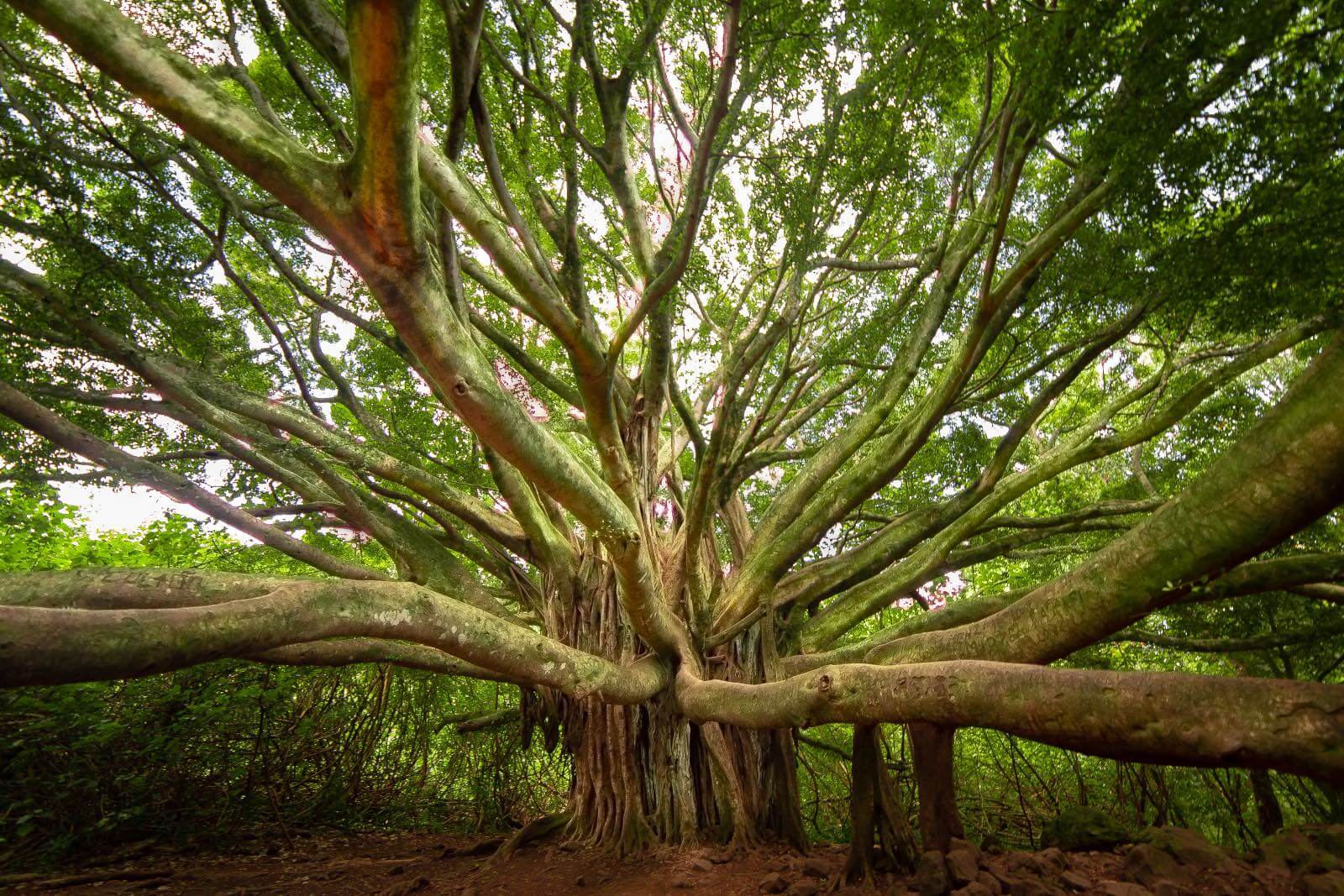
No matter how many times I hike it, I still love stopping at the enormous banyan tree (pictured above), listening to the bamboo sway in the wind and seeing Waimoku Falls at the end.

Where Is the Pipiwai Trail?
The Pīpīwai Trail is located in the Kīpahulu District of Haleakalā National Park, about 12 miles past Hāna along the Hāna Highway. The trailhead begins near the Kīpahulu Visitor Center and the park’s main parking area.
Haleakalā National Park has two separate districts: the Summit District and the coastal Kīpahulu District. The two areas are not connected by a road inside the park. To reach the Pīpīwai Trail, follow my Road to Hāna Itinerary around East Maui rather than driving toward the Haleakala summit.
The remote location is part of what makes this hike so special, but it also requires advance planning. There are no gas stations or restaurants inside the Kīpahulu District, so fill your tank and bring food and water before continuing beyond Hāna.
👉 For more information about both districts, entrance fees and other things to do, read my complete Haleakalā National Park guide.
How to Get to the Pīpīwai Trail
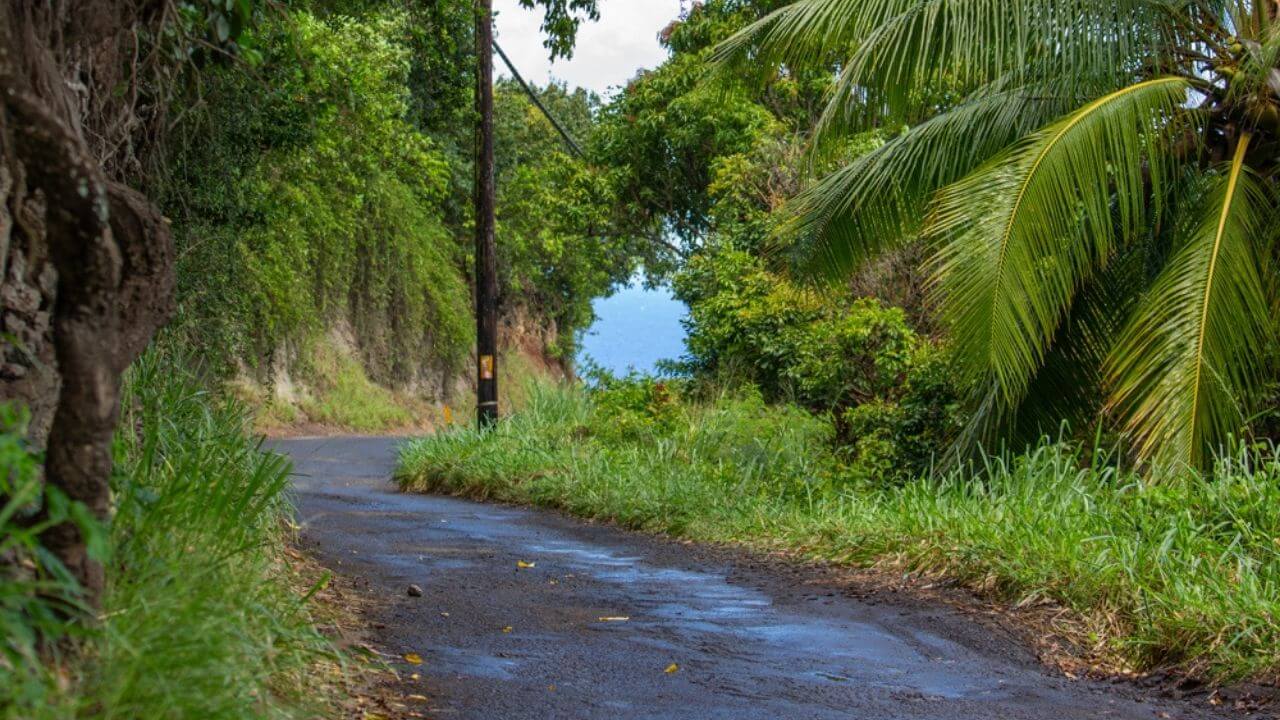
The safest and most common way to reach this waterfall hike is by following the Hāna Highway past past the town of Hana to the Kīpahulu District of Haleakalā National Park. The entrance is approximately 12 miles beyond Hana, but the narrow and winding road means this final stretch can take 30–45 minutes.
Without sightseeing stops, allow:
- From Hāna: 30–45 minutes
- From Pāʻia: 2½–3 hours
- From Kīhei: 3–3½ hours
- From Wailea: 3¼–3¾ hours
- From Kāʻanapali: 4–4½ hours
These are estimated driving times only. Traffic, weather, one-lane bridges and Road to Hana stops can make the journey considerably longer. I learned how remote this part of Maui is during my first trip to the Pīpīwai Trail.
My recently purchased used Jeep Cherokee broke down on the Road to Hāna as I was driving home. Waiting for a tow truck and making the long trip back was incredibly stressful—and a tow along the Hāna Highway is not a fun journey.
Make sure you begin the scenic road with a full tank of gas and avoid leaving valuables inside when parked. Cell service is unreliable, so download your route and park information before starting the drive.

Should You Stay Overnight in Hana?
You can hike the Pipiwai Trail during a one-day Road to Hana trip, but it makes for an extremely long day—especially if you’re staying in South or West Maui.
I prefer to stay overnight in Hāna and hike the Pīpīwai Trail the following morning. This lets you enjoy the stops along the Hana Highway without rushing, arrive at Kīpahulu before the busiest part of the day and avoid driving the entire route back after an already long hike.
If you only have one day, make the Pīpīwai Trail one of your main priorities and limit the number of stops along the drive. Start early, monitor the time and plan to return along the Hāna Highway before dark.

Pipiwai Trail Parking, Fees and Facilities
Parking for the Pīpīwai Trail is located inside the Kīpahulu District of Haleakalā National Park. After passing through the entrance station, follow the signs toward the Kīpahulu Visitor Center and upper parking area. The trailhead is a short walk from the parking lot.
The parking area can fill during busy periods, particularly when day-trippers begin arriving from Hāna. Starting early gives you a better chance of finding a convenient space and enjoying a quieter trail.
The Haleakalā National Park entrance fee is $30 per private vehicle and is valid for three days. America the Beautiful and other eligible federal recreation passes are also accepted. The entrance station only accepts credit cards.
You do not need a separate permit or reservation to hike the Pīpīwai Trail. Restrooms are available near the visitor center, but there are no restaurants or gas stations inside the Kīpahulu District. Bring all the food, water and hiking supplies you will need for your visit.
Before making the drive, check the current Haleakalā National Park conditions for weather-related closures, alerts and updated visitor information.

Best Time to Hike the Pipiwai Trail
The best time to hike the Pīpīwai Trail is early in the morning, shortly after sunrise. Temperatures are generally more comfortable, parking is easier and the trail is quieter before most Road to Hāna day-trippers arrive.
If you follow my advice and stay overnight in Hāna, its easy to get an early start. Take the scenic drive from Hāna Town to the Kipahulu District of Haleakala National Park takes approximately 30–45 minutes.
The trail can be hiked throughout the year, but conditions vary by season. Maui’s wetter winter months can bring stronger waterfall flow along with deeper mud, slippery roots and a greater risk of flash flooding. The drier summer months generally offer better trail conditions, although Waimoku and Makahiku Falls may carry less water.
I’ve hiked the Pīpīwai Trail after heavy rain, and the first portion becomes especially muddy. Once you reach the bamboo forest, the raised boardwalk provides some relief from the mud, although hikers track plenty of it onto the wooden surface, making the boards slippery.
Check the forecast and current park conditions before leaving, but remember that East Maui weather can change quickly. Never enter a stream when the water is high, moving quickly or turning brown. For a broader look at Maui’s seasons, weather and crowds, read my guide to the best time to visit Maui.

What to Expect on the Pīpīwai Trail
The Pipiwai Trail hike climbs through a lush rainforest before entering the enchanting bamboo forest and ending at Waimoku Falls. Although the trail is only four miles round trip, allow at least three hours so you have time to enjoy the scenery and navigate muddy or slippery sections.

Makahiku Falls Overlook
The trail begins with a steady uphill climb over dirt, exposed roots and rocks. After about a half a mile, you’ll reach an overlook of Makahiku Falls, which drops nearly 200 feet into the valley below.
The waterfall is especially powerful after heavy rain, but remain on the designated trail and observe it from the overlook.
The Banyan Tree
Continue uphill and you’ll soon reach an enormous banyan tree with twisting branches and roots extending in every direction. This has always been one of my favorite stops along the trail and is a great place to take a short break before continuing toward the bamboo forest.

Pipiwai Bamboo Forest
The bamboo forest is the most memorable section of the Pīpīwai Trail. A raised wooden boardwalk leads through towering bamboo, creating a shady and peaceful stretch of trail.
When the wind blows, the bamboo stalks knock together and create a soothing sound that echoes through the forest. The boardwalk makes this section easier to navigate, but it can become slick when wet or covered in mud.
Stream Crossings
You will encounter several stream crossings as you continue toward Waimoku Falls. Conditions vary considerably depending on recent heavy rains, so use caution and follow all posted signs and park closures.
Do not attempt to cross if the water is high, moving quickly or turning brown. These conditions can indicate a flash flood upstream, even when it is not raining directly above the trail.

Waimoku Falls
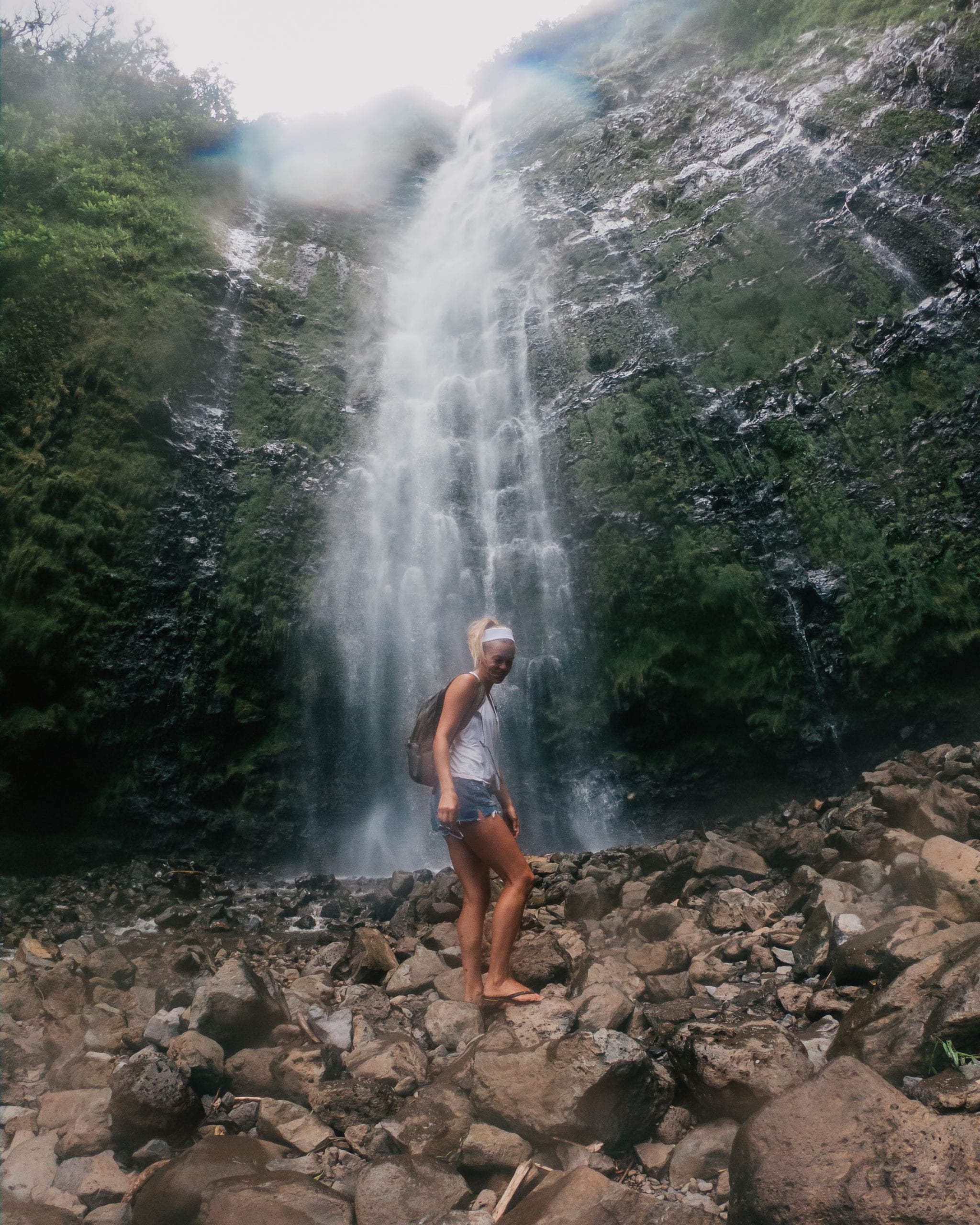
At the end of the trail, you’ll reach a viewpoint overlooking the 400 foot waterfall – Waimoku Falls. The waterfall tumbles down a sheer lava-rock wall surrounded by dense greenery, and it is a glorious sight after hiking through the rainforest and bamboo forest.
When I first began hiking the Pipiwai Trail, visitors could walk much closer to the waterfall. The area is now restricted because falling rocks and sudden changes in water flow can be deadly. Stay behind all posted warning signs and never attempt to approach the base of Waimoku Falls.
After enjoying the view, return to the parking area along the same trail. The downhill hike may feel easier, but wet rocks, roots and muddy boardwalks can still be slippery.

How Difficult Is the Pīpīwai Trail?
I consider the Pīpīwai Trail a moderately challenging hike. The four-mile round-trip distance is manageable for many active travelers, but the 800 feet of elevation gain, uneven terrain, stream crossings and frequently muddy conditions make it more demanding than a casual walk.
The first half of the trail contains most of the climbing, with exposed roots, rocks and uneven terrain. Conditions can make the hike more demanding after rain, particularly for hikers who are not accustomed to muddy tropical trails.
I’ve completed this hike in hiking boots, sneakers and even flip-flops over the years. While it can be done in different types of footwear, I recommend wearing sturdy hiking shoes or trail shoes with good traction—especially after rain.
Allow roughly 2½ to 4 hours to complete the hike. Your pace will depend on trail conditions and how long you spend at Makahiku Falls, the banyan tree, the bamboo forest and Waimoku Falls.

What to Bring on the Pipiwai Trail
Come prepared for heat, rain, mud and rapidly changing conditions. There are no places to purchase food or hiking supplies inside the Kīpahulu District, so bring everything you need with you.
- Sturdy hiking shoes: Choose shoes with good traction because the trail, rocks and wooden boardwalk can become slippery.
- Plenty of water: Bring more than you expect to drink, especially when hiking during warmer weather.
- Snacks or lunch: Pack enough food for the hike and the long drive to and from Kīpahulu.
- Lightweight rain jacket: Rain showers are common in East Maui, even when the forecast looks clear.
- Sun protection: Bring reef-safe sunscreen, sunglasses and a hat for exposed sections of the trail.
- Mosquito Repellent: Mosquitoes can be noticeable along the shaded and wetter portions of the hike.
- Small backpack: Keep your hands free for stream crossings and uneven sections.
- Offline map: Download directions before leaving because cell service is unreliable around Kīpahulu.
- Change of shoes and clothes: Keep them in your vehicle for the drive home in case the trail is particularly muddy.

Pipiwai Trail Safety Tips
The Pipiwai Trail is well maintained, but its remote location, changing weather and natural hazards should not be underestimated.
- 👉 Stay on the designated trail: Do not climb around barriers, enter closed areas or take unofficial paths.
- ⛔️ Remain behind the signs at Waimoku Falls: Waimoku in Hawaiian can mean water that cuts, severs, amputates, or breaks in two. Falling rocks and sudden changes in water flow make approaching the base extremely dangerous.
- 🌊 Watch for flash floods: Never cross a stream when the water is high, moving rapidly or turning brown.
- ⚠️ Use caution on the boardwalk: Rain and tracked-in mud can make the wooden surface surprisingly slippery.
- ✔ Check current conditions: Review weather alerts and National Park Service updates before driving to Kīpahulu.
- ⏰ Start early: Leave enough daylight to finish the hike and drive back along the Hāna Highway.
- 📵 Do not depend on cell service: Download your directions and tell someone where you are going.
- 🚱 Bring your own supplies: Food, water and other essentials are not available inside this remote section of the park.
- ⛽️ This area on Maui is remote, fill up your take before you go as there are no gas stations near the park.
- 🪨 Don’t take the rocks, sand or cultural artifacts. Not only is it illegal but you will be cursed. Taking these objects off the islands, you will be struck with Pele’s curse which will bring you a series of bad luck and misfortune until they are returned to where they belong.
- ♻️ Practice the “Leave No Trace” principles to keep the hiking trails on Maui clean and pristine for future visitors.
Emergency assistance can take time to reach the Kīpahulu District, so make conservative decisions and follow all posted warnings and park closures.


Things to Do Near the Pipiwai Trail
After hiking the Pīpīwai Trail, spend a little time exploring the rest of the Kīpahulu District before beginning the long drive back.
- Walk the Kūloa Point Trail: This easy half-mile loop begins near the visitor center and passes archaeological sites before reaching coastal viewpoints above the Pools of ʻOheʻo.
- See the Pools of ʻOheʻo: Often called the Seven Sacred Pools, this series of freshwater pools and waterfalls flows toward the ocean. Swimming is not permitted, but you can view the area from the Kūloa Point Trail.
- Visit the Kīpahulu Visitor Center: Stop for current park information, exhibits and answers to questions about the district’s natural and cultural history.
- Camp in Kīpahulu: The Kīpahulu Campground offers a beautiful place to stay near the coastline, but advance reservations are required.
- Visit Waiʻānapanapa State Park: Located just outside Hāna, Waiʻānapanapa is known for its black-sand beach, rugged lava coastline and coastal walking trails. Advance reservations are required for day visitors, so plan your time slot before beginning the Road to Hāna. Read my complete Waiʻānapanapa State Park guide or learn what it’s like to stay overnight in the Waiʻānapanapa State Park cabins.
- Explore Hāna: On your way to or from the trail, allow time for Hāna’s beaches, roadside stops and local food. My guide to the best things to do in Hāna will help you plan your time in the area.
Remember that hiking the Pipiwai Trail and driving the Road to Hāna already make for a full day. Choose only one or two additional stops if you are returning to South or West Maui that evening.
Get Your Free Maui Hiking Guide
Love hiking and outdoor adventures? Download my free Maui hiking guide for more incredible trails, firsthand tips and inspiration for exploring the island on foot.
👇 Enter your email below and I’ll send the guide directly to your inbox.

Final Thoughts on Hiking the Pipiwai Trail
The Pīpīwai Trail combines several of East Maui’s most memorable landscapes into one four-mile hike and is my favorite hike on Maui.
From Makahiku Falls and the enormous banyan tree to the bamboo forest and Waimoku Falls, the scenery easily justifies the extra planning required to reach this remote part of the island.
Start early, wear shoes with good traction and leave enough time to explore the rest of the Kīpahulu District before driving back toward Hana town.
Maui Travel Vlogs
Want to see what it’s really like to hike the Pīpīwai Trail? Joe and I filmed our hike through the bamboo forest to Waimoku Falls as part of our Maui vlog series.
🎥 Watch our Maui series on YouTube, and please subscribe or give the video a thumbs up. It doesn’t cost anything and helps us continue creating free travel content for you to enjoy.
Plan Your Trip to Maui ↓
📍 Planning a trip to Maui? I lived on the island for nearly 14 years and created these guides to help you make the most of your visit.
- Maui Travel Guide
- 27 Best Things to Do in Maui
- Maui Itinerary
- Best Area to Stay in Maui
- Haleakalā Sunrise: 5 Tips to Know Before You Go
Enjoy this Post?!?! Pin in for Later ↓