Planning a trip to South America’s most colorful destination? These Colombia travel tips will help you explore with confidence, stay safe, and make the most of everything this incredible country has to offer.
From the Caribbean beaches of Cartagena to the coffee-covered hills of Jardin and the mountain magic of Medellin, Colombia is bursting with color, culture, and adventure.
Traveling through Colombia is easier than ever, but there are a few important things to know before you go – from understanding local customs and safety basics to getting around, budgeting, and packing smart.
In this guide, I’ll share everything I learned while traveling across Colombia, so you can plan your trip like a pro and enjoy this country just like I did. Then at the end of the post, I’ll add any useful travel guides that will aid you in a trip to Colombia.

For full transparency, this post contains affiliate links, which means I may earn a small commission if you make a purchase - at no additional cost to you. I only recommend products and services that I genuinely use, trust, or believe will add value to your travels. Your support helps me continue creating free travel guides for you to enjoy.

Before You Go to Colombia Tips
Before you jet off to Colombia, here are a few key things to know that will make your trip smoother and more enjoyable.
Best Time to Visit Colombia
Colombia is a year round destination thanks to its tropical climate, but weather varies by region. The dry season (December to March and July to August) is ideal for travel, especially if you plan to explore multiple cities.
Keep in mind that temperatures change drastically with elevation – it’s hot and humid on the Caribbean coast but cool and crisp in cities like Bogotá.
Currency and Money Tips
Colombia uses the Colombian Peso (COP). ATMs are widely available in major cities, but always withdraw from machines inside banks for extra safety. Joe is always the lookout while I pull out cash at ATMs in foreign countries.
Credit cards are accepted in most hotels and restaurants, but smaller shops, taxis, and markets prefer cash. Also watch out for dynamic currency conversion. To avoid overpaying, always select to pay in the local currency and let your bank handle the conversion.
💳 Read Next: How to Avoid Foreign Transaction Fees
Visa Requirements for Colombia
Most travelers, including those from the U.S., Canada, and the EU, don’t need a visa for stays up to 90 days. You’ll just need a passport valid for at least six months and you’ll receive a tourist visa on arrival.
You might be asked to show proof of onward travel when entering the country, so have your plane ticket for exit handy if you plan on leaving by plane.
Vaccinations & Health
No vaccinations are required to enter Colombia, but it’s recommended to have routine shots up to date (like Hepatitis A, Typhoid, and Tetanus). If you’re visiting jungle regions such as Leticia in the Amazon, a Yellow Fever vaccine may be required.
SIM cards & Connectivity
Stay connected by picking up a local SIM card from Claro or Tigo at the airport or in any major city. I recommend getting a eSIM Card for your phone to avoid the hassle of having to pick one up when you land, this way you already have service when you touch down in Colombia.
Data plans are inexpensive and reliable – perfect for Google Maps, translation apps, and staying in touch. You’ll stay connected with a local high-speed data network while you travel for easy navigation.

Useful Apps for Traveling Colombia
- Maps.me is perfect for offline navigation, especially in areas with limited service.
- Google Maps works well in major cities for transit and walking directions.
- Google Translate is always helpful in communicating if you are not fluent in Spanish. Language barriers are real in Colombia.
- Moovit helps you navigate public transportation in cities like Bogotá and Medellin.
- Cabify and InDriver are reliable rideshare apps. Uber also works in some cities.
- XE Currency makes it super easy to convert Colombian pesos to USD’s
- WhatsApp is essential for communication with hosts, tour operators, and new friends.
- Booking.com and Airbnb make accommodation browsing simple
Electrical Outlets in Colombia
🔌 Colombia uses Type A and Type B outlets, the same as those found in the United States. The standard voltage is 110v with a frequency of 60 Hz, so most U.S. travelers won’t need a power converter – just plug in and go.
If you’re traveling with appliances that use a different plug style, a simple universal adapter will keep you covered throughout the country.
Don’t Give Papaya
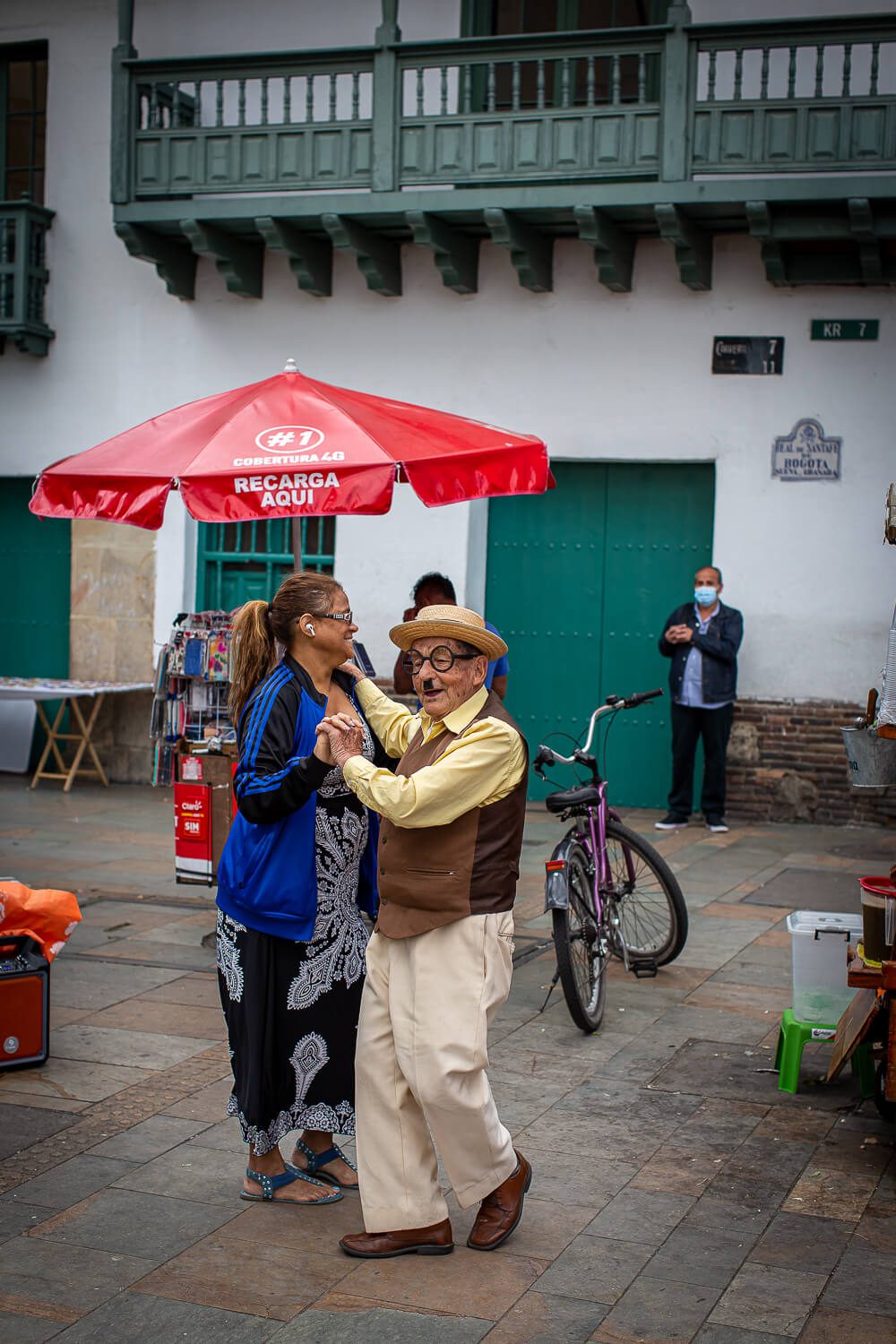
There’s a famous Colombian saying: ” No dar papaya” – which literally means “don’t give papaya,” but really means don’t make yourself an easy target.
Petty theft is a thing so, keep your valuables like your cell phone, watch, or jewelry out of sight, be aware of your surroundings, and use common sense – you’ll be fine.
Travel Insurance
Purchasing travel insurance before your trip to Colombia is one of the smartest things you can do. While Colombia is an incredible country to travel through, unexpected situations can happen – from flight delays and lost baggage to sudden illness, altitude issues, or adventure-activity mishaps.
Having a solid travel insurance plan gives you peace of mind knowing you’re covered for medical emergencies, cancellations, and anything that might disrupt your trip. Trust me, you never know what can happen and it’s always a good idea.
It’s a small investment that makes a huge difference in how confidently and comfortably you can explore Colombia. Plus travel insurance is very affordable, especially when you consider the alternative.
Getting Around Colombia Travel Tips
Colombia is a big country, and while traveling between destinations takes a bit of planning, the journeys are all part of the adventure. Whether you’re hopping on a short flight or winding through the mountains by bus, here’s how to get around easily and safely.
Domestic Flights in Colombia
For long distances (like Cartagena → Medellin or Bogota → Santa Marta), flying is the best way to save time. Colombia has several reliable low-cost airlines – including Avianca, LATAM, Wingo, and JetSmart – with frequent routes between major cities.
Book early for the best deals, and always double-check baggage policies (budget airlines often charge extra for carry-ons). We flew into Colombia from Ecuador on LATAM and were pleased with the experience.
Buses in Colombia
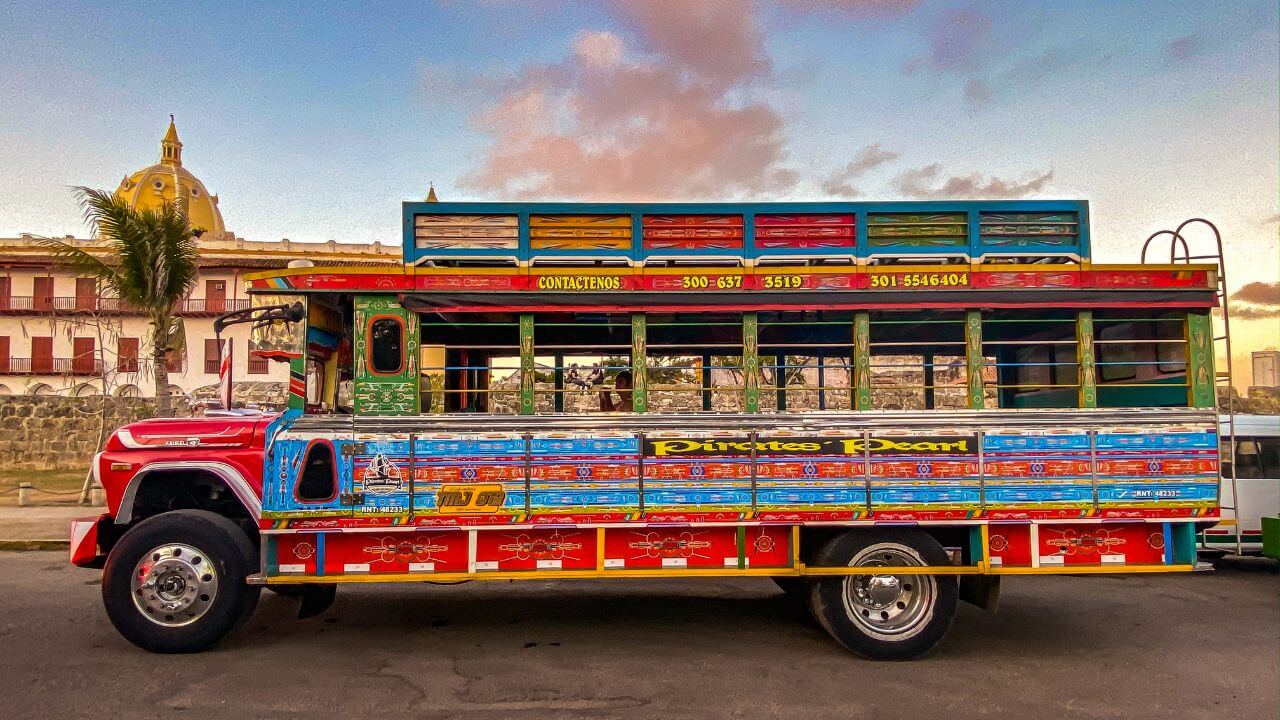
If you’re traveling shorter distances, buses are a great option. Colombia’s intercity buses are comfortable, affordable, and surprisingly scenic. You can book tickets directly at bus terminals or online through sites like Busbud or Redbus.
Companies such as Expreso Bolivariano and Flota Magdalena are known for safety and comfort. Joe and I rode several short and long-distance buses are around Colombia and for the most part it was smooth sailing.
Because of Colombia’s geography, distances can be deceiving – a 200 km journey might take six hours due to mountain roads. Always plan for extra travel time.

Renting a Car in Colombia
Renting a car can be fun if you’re planning a road trip – especially in regions like the Coffee Triangle or around Antioquia. Just keep in mind that Colombian drivers can be aggressive, road conditions are often winding, and GPS isn’t always reliable in remote places.
Stick to daylight driving and main highways. Renting a car in Colombia is very affordable but does come with its list of stresses. Good luck.
Taxis & Ride-Sharing
In cities, use apps like InDriver, DiDi, or Uber (though technically not all are legal in every region). Avoid hailing taxis off the street at night, instead order a taxi driver through your hotel or an app for safety and fair pricing.
We used Uber in Medellin and had Joe sit in the front seat to avoid having the car look like it’s an uber. Though Uber was technically illegal in Medellin, we still used it and didn’t have a problem.
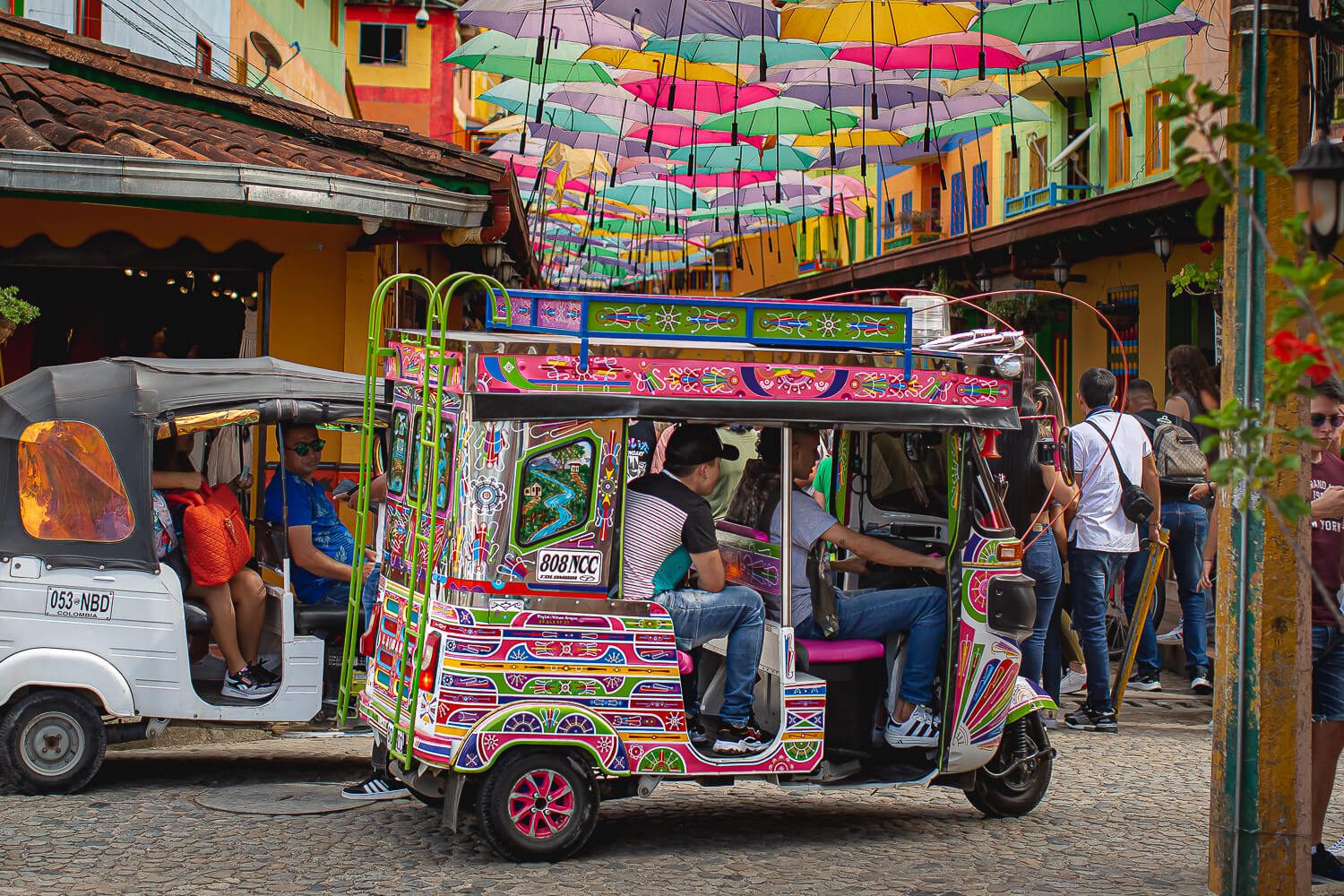
In smaller towns you can hop in a tuk tuk to get across town. They are cheap and convenient.

Walking & Public Transit
Let’s talk public transportation. Cities like Medellin have excellent metro systems and safe, walkable neighborhoods like Poblado or Laureles. Always check local advice before walking longer distances, especially at night.
Free walking tours are one of the best ways to get to know a new city. The tours usually operate on a “pay-what-you-wish” basis, meaning you can tip your guide whatever you feel the experience was worth.
It’s a fun, budget friendly way to get introduced to a city, especially if it’s your first day in town. Tours usually last around 2 hours and a local guide will be able to answer any questions that you have.
Money & Budget Tips for Traveling in Colombia
One of the best things about traveling through Colombia is that it’s incredibly budget friendly – especially compared to other destinations in South America. Whether you’re backpacking on a shoestring or traveling in comfort, here’s some Colombia travel tips on how to make your money go further.
Currency
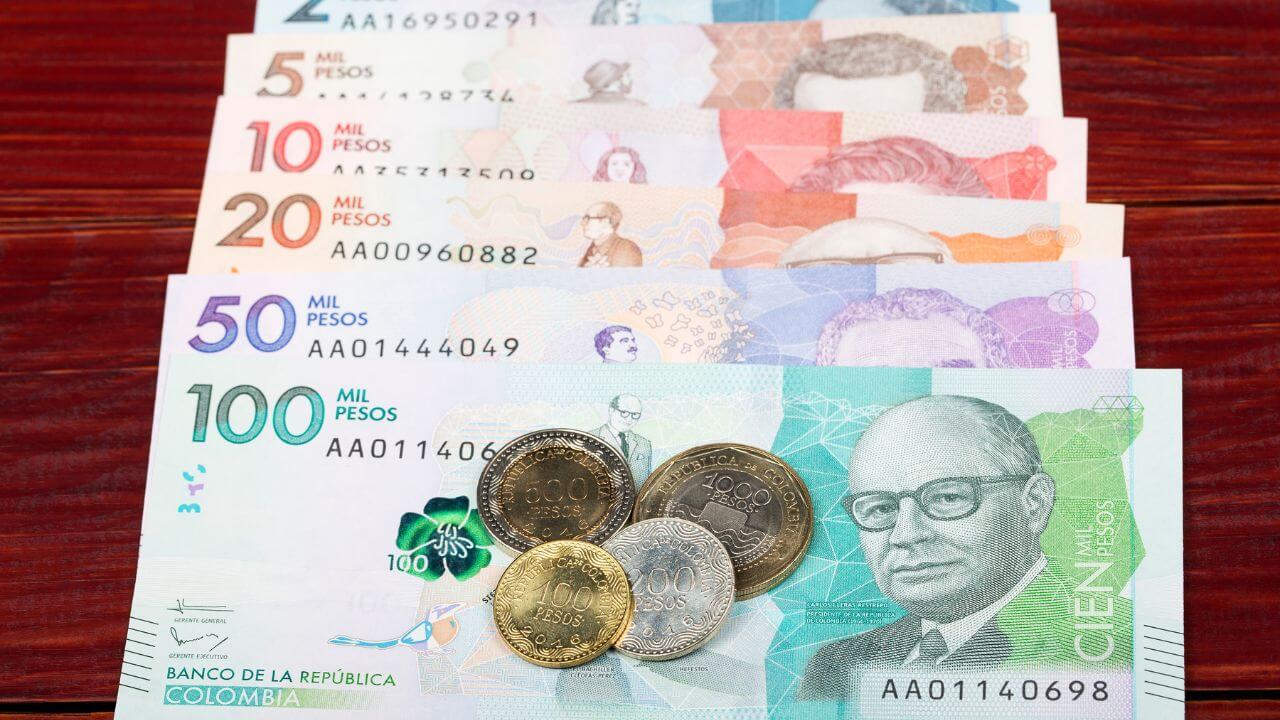
As I mentioned earlier, Colombia uses the Colombian Peso (COP). You’ll see prices listed in thousands – so don’t panic when lunch costs “20,000 pesos – (that’s only around $5 USD). Get familiar with the conversion rate before you go: it’ll help when paying or withdrawing cash.
ATMs & Cash
ATMs are widely available in major cities and airports. Stick to machines inside banks or shopping centers for safety. Bancolombia, BBVA, and Davivienda are reliable choices. Always carry some small bills and coins for taxis, street food, and smaller towns – many places don’t accept cards.
Cards & Payments
Credit and debit cards are accepted at many hotels, restaurants, and larger stores, but cash is still king in Colombia – especially for local buses, markets, and small cafes. If a place accept cards, expect a small service fee.

Typical Daily Budget in Colombia
Here’s a rough breakdown of what to expect:
- 🎒 Budget Traveler: $30-50 USD a day staying in hostels, riding buses, and eating local food.
- ☕️ Mid Range: $60-100 USD a day for boutique hotels, mix of restaurants, and domestic flights.
- 🥂 Luxury: $150+ USD a day for private tours, upscale stays, and fine dining experiences.
Avoiding Scams in Colombia
Colombians are kind and helpful, but as in any major tourist area, stay alert. Watch out for fake taxi meters, ATM skimmers, and street money exchanges that offer bad rates. Use only trusted ATMs and official exchange houses.
I always like to keep some emergency U.S. dollars stashed away – they’re easy to exchange if you ever get stuck without cash, especially in smaller towns or during holidays when ATMs run dry.
Safety & Local Etiquette Colombia Travel Tips
Colombia has changed dramatically in the last two decades – it’s now one of the most welcoming and rewarding destinations in South America. Still, being street smart and respectful of local customs will make your trip smoother and safer.
Colombia Safety Tips
Colombians often say “No dar papaya” – literally “don’t give papaya,” which means don’t make yourself an easy target. In other words, use common sense:
- Avoid flashing valuables, cash, or expensive jewelry in public.
- Keep your phone out of sight when not in use, walking in busy or unfamiliar areas.
- Take registered taxis or ride-hailing apps, especially at night. In fact, try to avoid walking alone at night.
- Stay in safe neighborhoods (like El Poblado in Medellin or Getsemani in Cartagena).
- Trust your instincts – if something feels off, it probably is.
Always check local advice before hiking or visiting remote areas, and keep copies of your passport and travel documents stored digitally.
Colombia is generally very safe for travelers who take basic precautions. Most locals are friendly, helpful, and genuinely proud to show off their country.

Cultural Etiquette & Manners
- Greetings matter: A simple “buenos dias” or “buenas tardes” goes a long way. Colombians appreciate politeness.
- 👕 Dress smartly: Locals tend to dress well – even casual outfits are neat and put-together. Avoid walking around shirtless or in beachwear outside coastal towns.
- Respect personal space: Colombians are warm but not overly touchy with strangers.
- 💸 Tipping: 10% is standard in restaurants (sometimes included in the bill). Round up for taxis and tip tour guides in cash.
- 📸 Photography: Always ask before taking photos, especially in rural areas or indigenous communities.
Language in Colombia
Spanish is the primary language in Colombia, and while English is spoken in some touristy areas, many locals – especially in smaller towns – speak little or no English. If you’re not fluent in Spanish, expect to rely on basic Spanish phrases, translation apps, or non-verbal communication.
Learning a few basic Spanish phrases will go a long way. Even simple words like “gracias” make interactions smoother and more enjoyable.

Food & Drink Tips in Colombia
🥑 Colombian food is comforting, flavorful, and surprisingly diverse – with each region offering its own signature dishes and traditions. From tropical fruits you’ve never heard of to hearty mountain meals and strong coffee, eating your way through Colombia is half the adventure.
What to Eat in Colombia
- Arepas: A Colombian staple made from corn flour – grilled, fried, or stuffed with cheese. Every region makes them differently.
- Bandeja Paisa: The national dish, a massive platter of rice, beans, plantains, avocado, chorizo, ground beef, and a fried egg – best enjoyed in Medellin.
- Empanadas: Fried or baked pockets stuffed with meat, potatoes, or cheese – a must try street food, sold by many street vendors.
- Ajiaco & Sancocho: Traditional soups packed with chicken, potatoes, and local herbs – perfect for cooler mountain regions.
- Tropical Fruits: Try guanábana, lulo, maracuyá (passion fruit), or mangostino – they’re juicy, fragrant, and sold fresh at local markets.

Coffee Culture
☕️ You can’t leave Colombia without experiencing its-world famous coffee. The best way? Visit the Coffee Triangle – coffee regions like Salento, Jardin, Filandia, and Manizales – were you can tour plantations, learn about the bean-to-cup process, and sip freshly brewed coffee with mountain views.
I spent 5 days in Jardin and we were surprised to learn that most of the coffee that Colombia produces gets exported, therefore finding a good cup of coffee in the Coffee Triangle may be a little more difficult than you think.

What to Drink in Colombia
- Agua de Panela: A traditional drink made with raw cane sugar and lime – refreshing and hydrating.
- Aguardiente: The local spirit, an anise-flavored liquor popular during festivals. It’s strong – sip carefully.
- Fresh Juices: Colombians love their juices – you’ll find stands selling everything from passionfruit to blackberry to lulo juice blended fresh to order.
- 🚰 Tap Water in Colombia is not safe to drink. This goes for most of latin America. Bring a water purifying water bottle such as the life straw or use water purification tablets.
Foodie Colombia Tips
- 🌮 Street food is delicious – just stick to busy vendors with a quick turnover.
- 🍽️ Meals tend to be big, with lunch as the main meal of the day.
- 🍄🟫 Vegetarian options are improving in big cities, but can be limited in smaller towns.
Final Thoughts on Traveling in Colombia
Colombia is one of those countries that surprises you in the best possible way. It’s colorful, diverse, and full of warmth. Every region feels like a new adventure, with its own rhythm, flavors, and stories waiting to be discovered.
Traveling through Colombia is more than just checking destinations off your list. It’s about connecting with the Colombian people, embracing the culture, and letting go of preconceived ideas.
You’ll find a country that’s proud, resilient, and eager to share its beauty with the world. If you found this article useful, come say hi in the comments below 👇.
Colombia Travel Guides ↓
📍 Planning a trip to Colombia? Check out the guides below for more inspiration and helpful tips to plan your perfect Colombian getaway.
Enjoy this Post?!?! Pin in for Later ↓