
Visiting Haleakala National Park is one of the best things to do in Maui. From watching an unforgettable sunrise above the clouds to hiking through volcanic landscapes, bamboo forests, and past waterfalls, the park showcases two completely different sides of the island.
As a former long time local, I’ve explored Haleakala National Park countless times – hiking the crater, staying in its wilderness cabins, watching sunrise and sunset from the summit, and visiting the remote Kīpahulu District beyond Hana.
In this guide, I’ll cover both the Summit and Kīpahulu districts, including reservations, entrance fees, the best things to do, hiking trails, driving directions, and firsthand tips to help you plan your visit.

For full transparency, this post contains affiliate links, which means I may earn a small commission if you make a purchase - at no additional cost to you. I only recommend products and services that I genuinely use, trust, or believe will add value to your travels. Your support helps me continue creating free travel guides for you to enjoy.
Haleakala National Park Quick Facts
Haleakalā in Hawaiian means “House of the Sun or House of the Rising Sun.” According to a Hawaiian legend, the demigod Maui lassoed the sun to make the days longer so the people could have enough sunlight for farming.
- 📍 Location: Maui, Hawaii
- 🏞️ Park Districts: Summit District and Kīpahulu District
- ⛰️ Summit Elevation: 10,023 feet
- 💵 Entrance Fee: $30 per private vehicle
- 🎟️ Pass Validity: Three days and valid for both districts
- 🌄 Sunrise Reservations: Required for each vehicle entering the Summit District between 3 and 7 am
- ⏱️ Time Needed: At least half a day for the Summit District or a full day for a major hike; visit the two districts on separate days
- 🥾 Top Experiences: Sunrise or sunset, stargazing, Sliding Sands Trail, Pīpīwai Trail, and the Pools of ‘Ohe‘o
- 🍽️ Food and Fuel: Neither is available inside the park
- 📵 Cell Service: Limited and unreliable
- 🗺️ Park Map: View or download the official Haleakala National Park maps
Understanding Haleakala’s Two Districts
Haleakalā National Park covers more than 30,000 acres and is divided into two distinct areas: the Summit District and the Kipahulu District. Although both belong to the same national park, they have separate entrances and are not connected by road.

Summit District
Located in Upcountry Maui, the Summit District rises from 7,000 feet to the 10,023-foot summit of Haleakala. Visit this district for sunrise, sunset, stargazing, scenic overlooks, and hikes through the park’s colorful volcanic landscape.
- 📍 Entrance: Haleakala Highway via Highway 377 and Highway 378.
- 🌋 Known For: Summit views, volcanic scenery, Sliding Sands Trail, and rare ‘āhinahina silverswords.

Kipahulu District
Kipahulu District sits along Maui’s remote eastern coastline, about 12 miles beyond Hana. Its rainforest, bamboo forest, waterfalls, and coastal scenery feel completely different from the high-elevation Summit District.
- 📍 Entrance: Hana Highway, also called Highway 31
- 🎋 Known For: Pipiwai Trail, Waimoku Falls, The Pools of ‘Ohe’o (seven sacred pools), and coastal views
Plan to visit the districts on separate days. I recommend combining the Summit District with time in Upcountry Maui and visiting Kipahulu during an overnight stay in Hana, rather than rushing the entire Road to Hana in one day.
Haleakala Reservations, Entrance Fees, and Hours
Haleakalā National Park charges a separate entrance fee from the sunrise reservation fee. A standard entrance pass costs $30 for a private vehicle, $25 for a motorcycle, and $15 for a bicycle or entering on foot.
The entrance pass is valid for three days and includes both the Summit and Kipahulu districts. Haleakala National Park does not accept cash, so bring a credit or debit card. An America the Beautiful Pass also covers the park entrance.

Haleakala Sunrise Reservations
A reservation is required for each vehicle entering the Summit District between 3 and 7 am. Reservations cost $1 per vehicle and must be booked online through Recreation.gov.
Sunrise reservations are released at 7 am HST up to 60 days in advance. A limited number of additional reservations are released two days before the scheduled visit. These often sell out quickly and are not available at the entrance station.
The person named on the reservation must be present and show a matching photo ID along with the reservation confirmation. The $1 reservation does not include the national park entrance fee.
You do not need a reservation to visit the Summit District after 7 am or for sunset, although the summit parking lot can get very congested and reach capacity. Separate reservations are required for campgrounds, wilderness campsites, and cabins.
Haleakalā National Park Hours
The Summit and Kipahulu districts are open 24 hours a day, year-round, although visitor centers and other facilities have limited operating hours.
Always check the current park conditions before driving to either district because weather, road conditions, fires, and flooding can affect access.
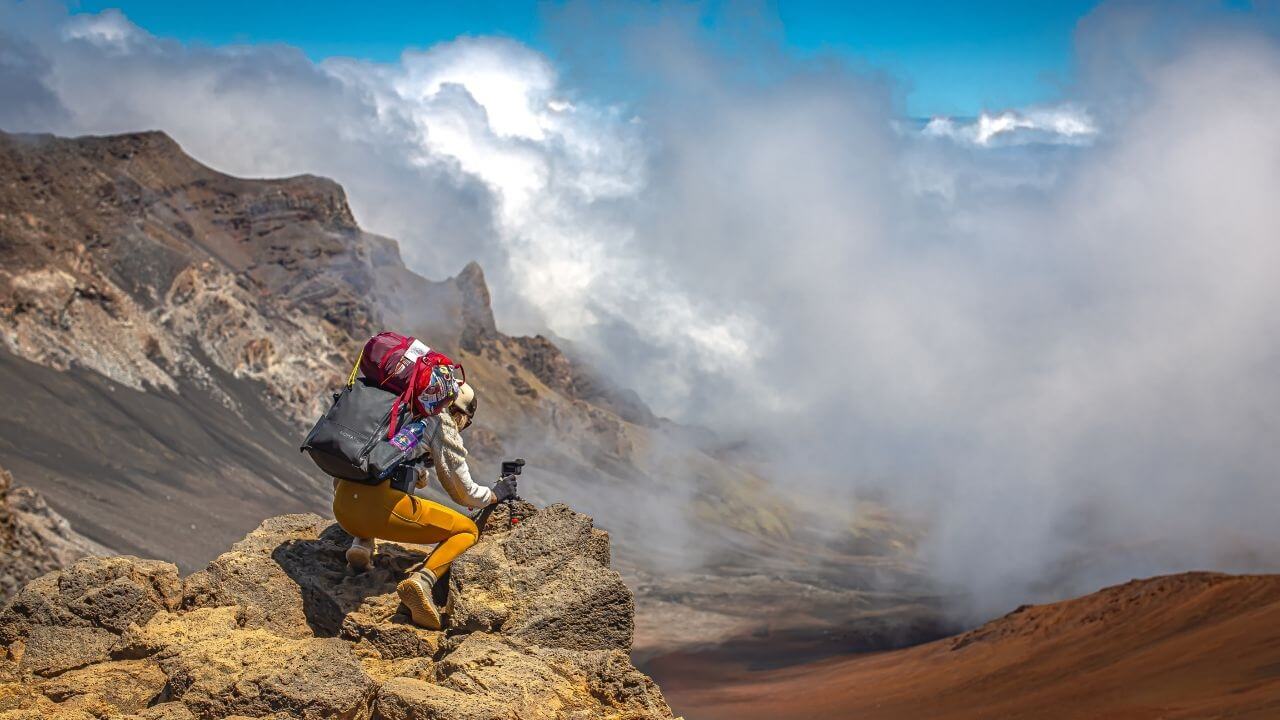
Best Time to Visit Haleakala National Park
Haleakala National Park is open year-round, and there really isn’t a bad season to visit. The best time to visit depends more on which district you’re exploring and what you want to do than the month of your trip.
Weather varies dramatically across the park. The Kipahulu District is generally warm, humid, and rainy, while the Summit of Haleakalā can be cold, windy, foggy, or completely clear.
At 10,023 feet, the summit is often around 20ºF to 30ºF cooler than Maui’s coastline, and conditions can change quickly at any time of year.
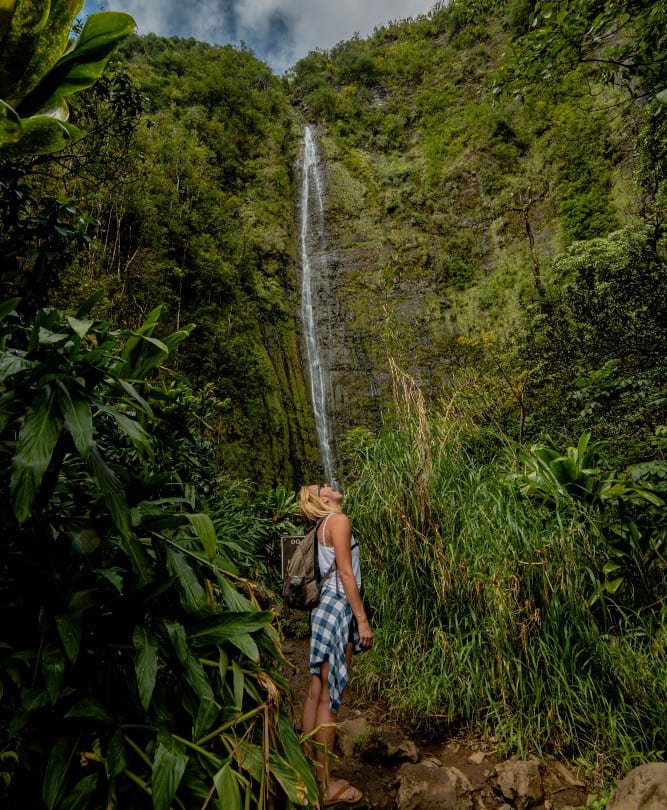
Best Time of Year to Visit
April through September generally brings drier weather to Maui, which can improve your chances of clear summit views and comfortable hiking conditions.
October through March tends to bring more rain, particularly around Kīpahulu, although beautiful clear days are still possible. For a broader look at weather, crowds and seasonal activities, read my guide to the best time to visit Maui.
In my experience, the summit weather is unpredictable regardless of the season. You may arrive to find the crater completely hidden by clouds, only for the sky to clear a few minutes later.
Check the weather and current park conditions before leaving, but come prepared for sun, wind, rain and cold.

Best Time of Day to Visit
Sunrise and sunset offer the most dramatic light, while daytime is generally better for hiking and seeing the details of the volcanic landscape. Midday can also be a good choice if you want a quieter visit without the sunrise and sunset crowds.
For Kipahulu, arrive early in the day. This gives you enough time to hike the Pipiwai Trail, explore ‘Ohe’o Gulch, and return before dark – especially if you are driving back along the Road to Hana.

Best Time to Avoid Crowds
The Summit District and Haleakalā crater are busiest around sunrise and sunset. For fewer people, visit after the sunrise crowds leave or during the middle of the day.
Weekdays and Maui’s spring and fall shoulder seasons are also a bit quieter than holidays and peak summer or winter travel periods.
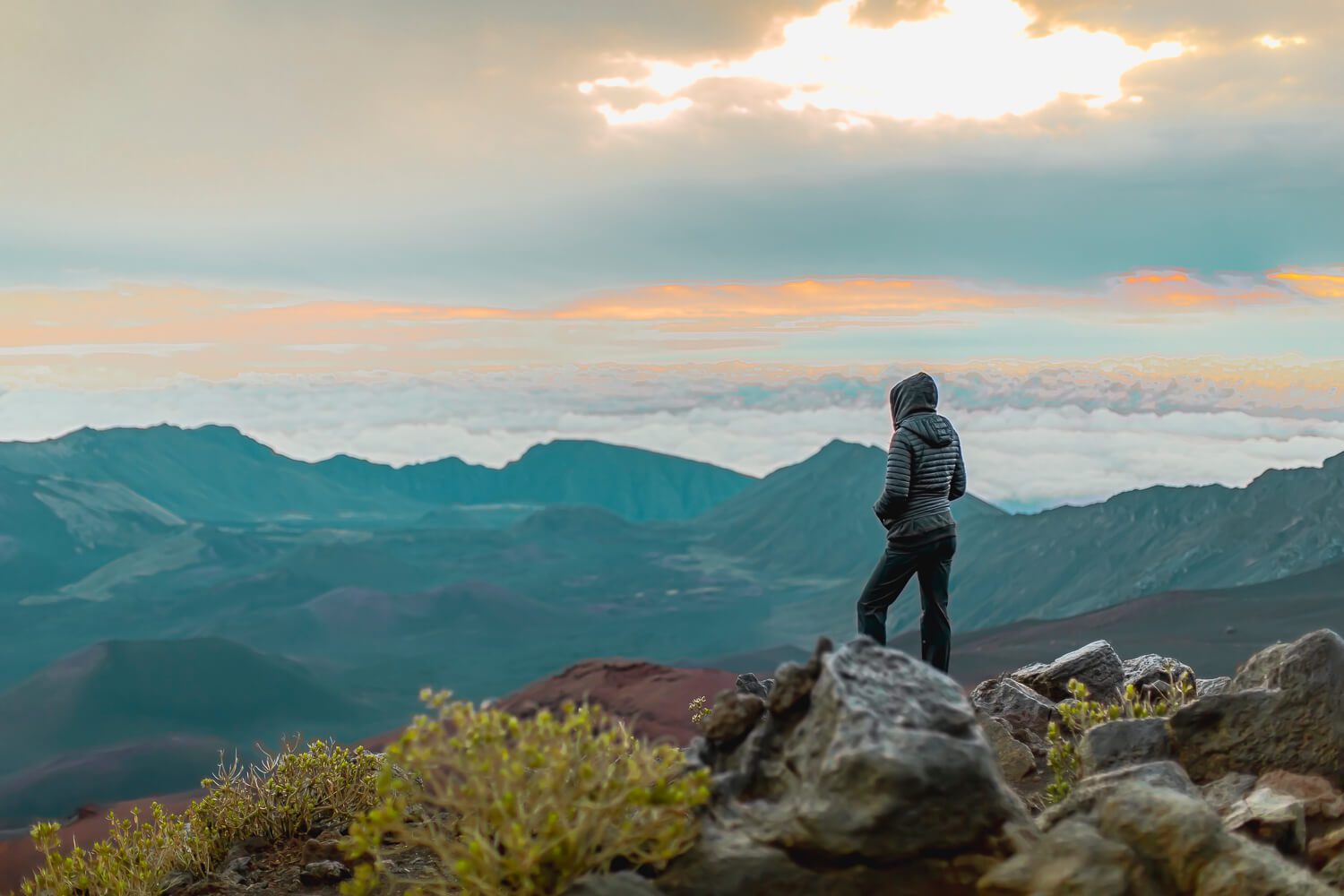
Haleakala Sunrise vs. Sunset
Watching the sun rise above or set below the clouds is one of the most memorable experiences at Haleakala National Park. Both are spectacular, but sunrise and sunset require different planning.
Sunrise requires an advance reservation and a very early start, while sunset offers more flexibility and the chance to explore the summit in daylight. However, sunset parking can still fill to capacity, and both experiences require driving part of the winding mountain road in the dark.

Sunrise at Haleakala
Sunrise is the most iconic time to visit the summit. As the sun rises above the clouds, the changing light gradually reveals Haleakala’s vast volcanic landscape. The colors and views make the extremely early wake-up call worthwhile.
Plan to arrive before sunrise and bring warm layers, gloves, and a hat. Temperatures can drop below freezing, and the wind can make it feel even colder.
📌 Planning to visit for sunrise? Read my complete guide to watching the sunrise at Haleakala for reservation information, what to bring, and tips for planning your morning.
👉 If you would rather not navigate the winding mountain road before dawn, a guided Haleakala sunrise tour handles the early-morning transportation and park entry.
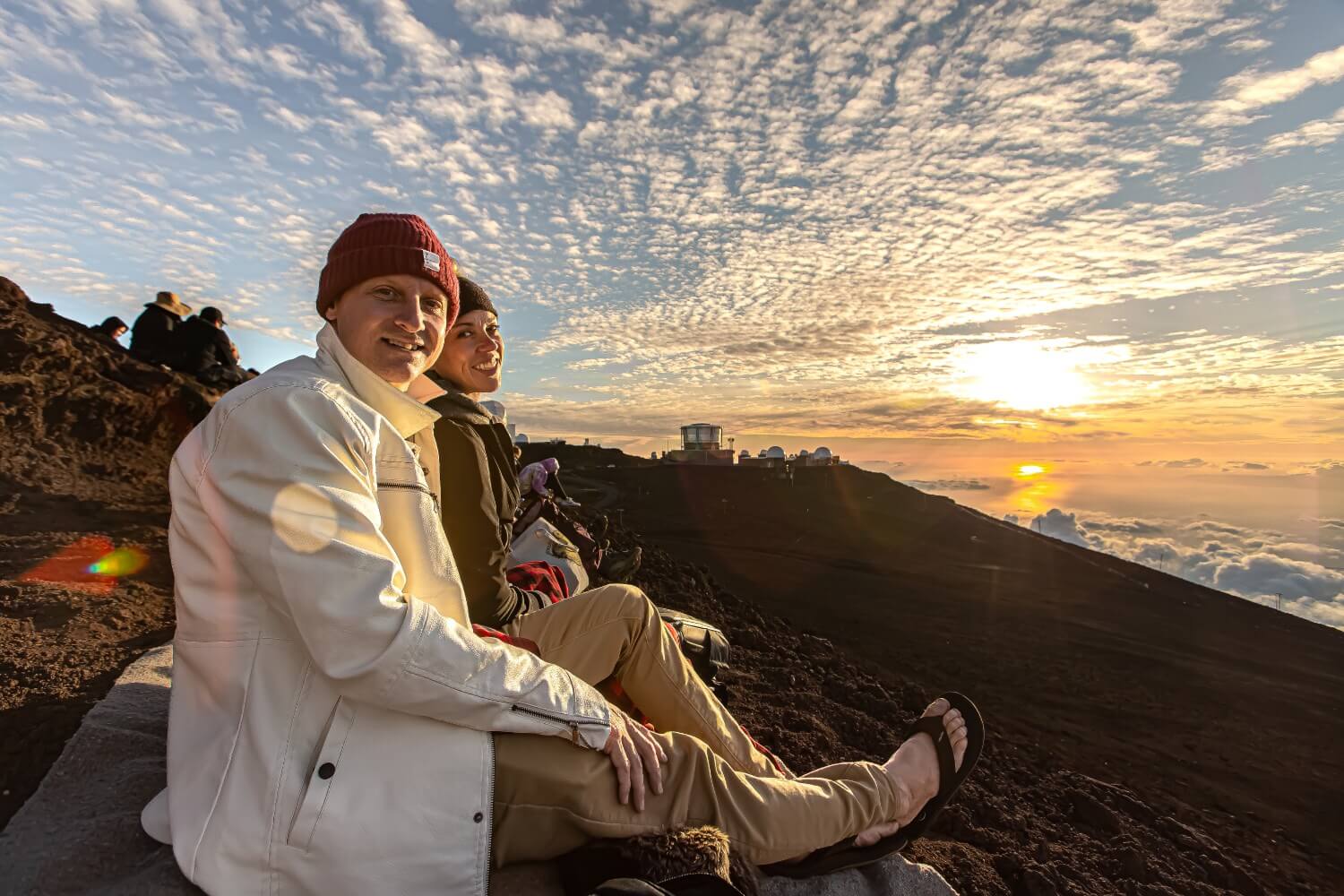
Sunset at Haleakala
Sunset is a great alternative if you cannot get a sunrise reservation or don’t want to wake up in the middle of the night. No reservation is required, and you can explore the Summit District in daylight before watching the sun disappear below the clouds.
Sunset has become increasingly popular, and parking at the highest viewpoints fills quickly. Arrive well before sunset – especially during busy travel periods – and have a backup viewpoint in mind.
Bring layers and plan to drive down the mountain in the dark. If conditions are clear, stay after sunset to watch the stars emerge before beginning the drive back to your accommodations.

Is Sunrise or Sunset Better?
Choose sunrise if watching Maui’s famous sunrise above the clouds is high on your bucket list and you don’t mind planning ahead.
Choose sunset if you prefer a more flexible schedule, want to explore the summit during daylight, or hope to combine your visit with stargazing.
You really can’t go wrong with either. Sunrise is the classic Haleakala experience, but sunset can be equally beautiful and requires less advance planning.
Best Things to Do in Haleakala National Park
Haleakalā National Park offers much more than its famous sunrise. You can hike through an otherworldly volcanic landscape, look for native Hawaiian birds, spend the night inside the summit wilderness, explore a bamboo forest, and watch the stars from 10,000 feet above sea level.
I’ve divided the best things to do between the Summit and Kipahulu districts so you can plan each visit separately.

Things to Do in the Summit District
The Summit District is known for its high-elevation views, colorful volcanic landscape, hiking trails, rare native plants, sunrises, sunsets, and stargazing.
Depending on your plans, you can spend a few hours exploring the overlooks or an entire day hiking through the summit wilderness.
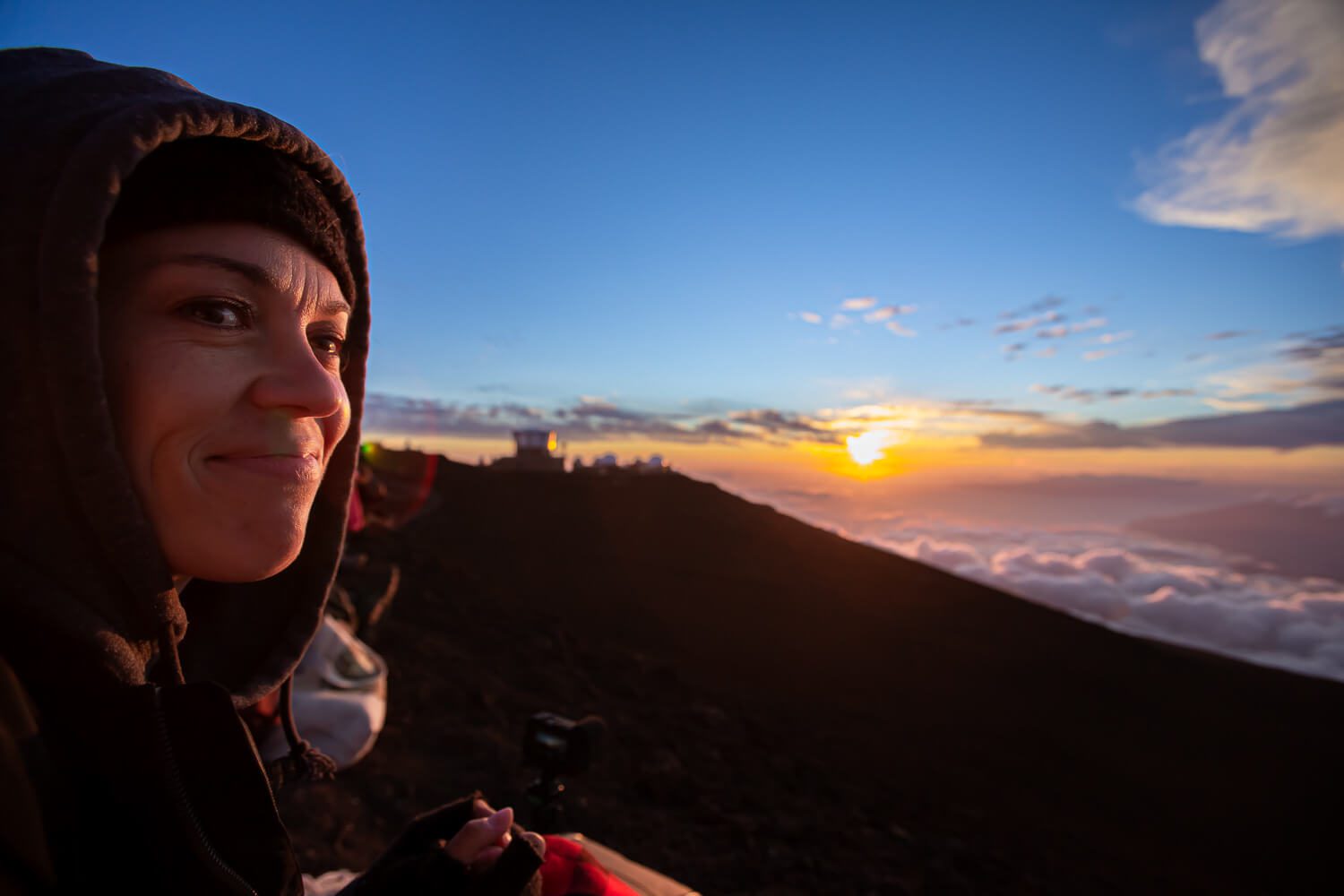
Watch Sunrise or Sunset Above the Clouds
Sunrise and sunset are the summit’s most famous experiences, but daytime visitors can still enjoy expansive views without planning around either event.

Visit the Haleakala Summit
Drive to Puʻuʻulaʻula., the highest point on Maui at 10,023 feet. From the summit area, you can look across the volcanic landscape and, on a clear day, see neighboring Hawaiian Islands in the distance.
Stop at the Haleakala Visitor Center and nearby overlooks along the way. The short Pā Ka’oao Trail begins near the visitor center and offers impressive views without requiring a long hike into the crater.

Hike Through Haleakala Crater
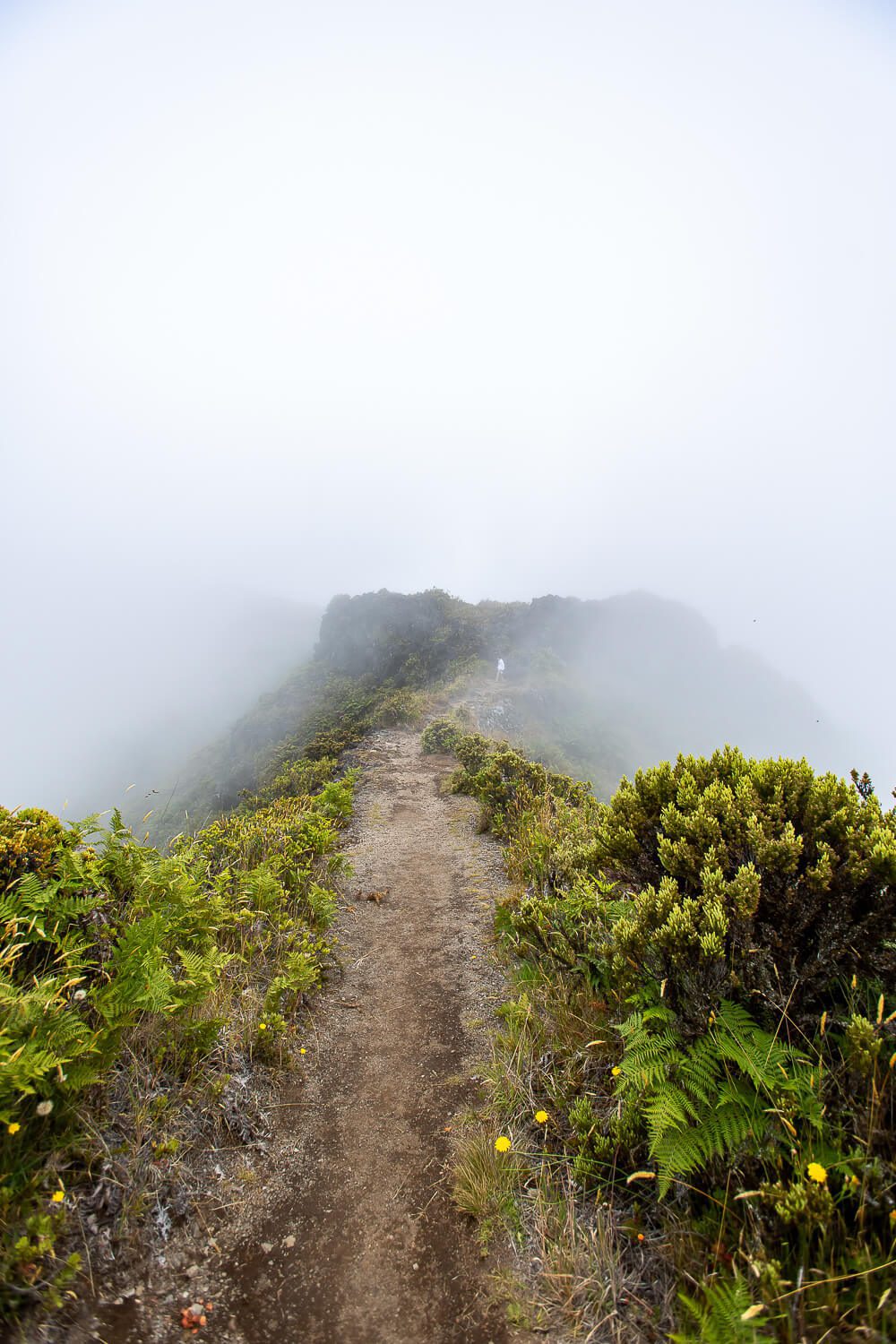
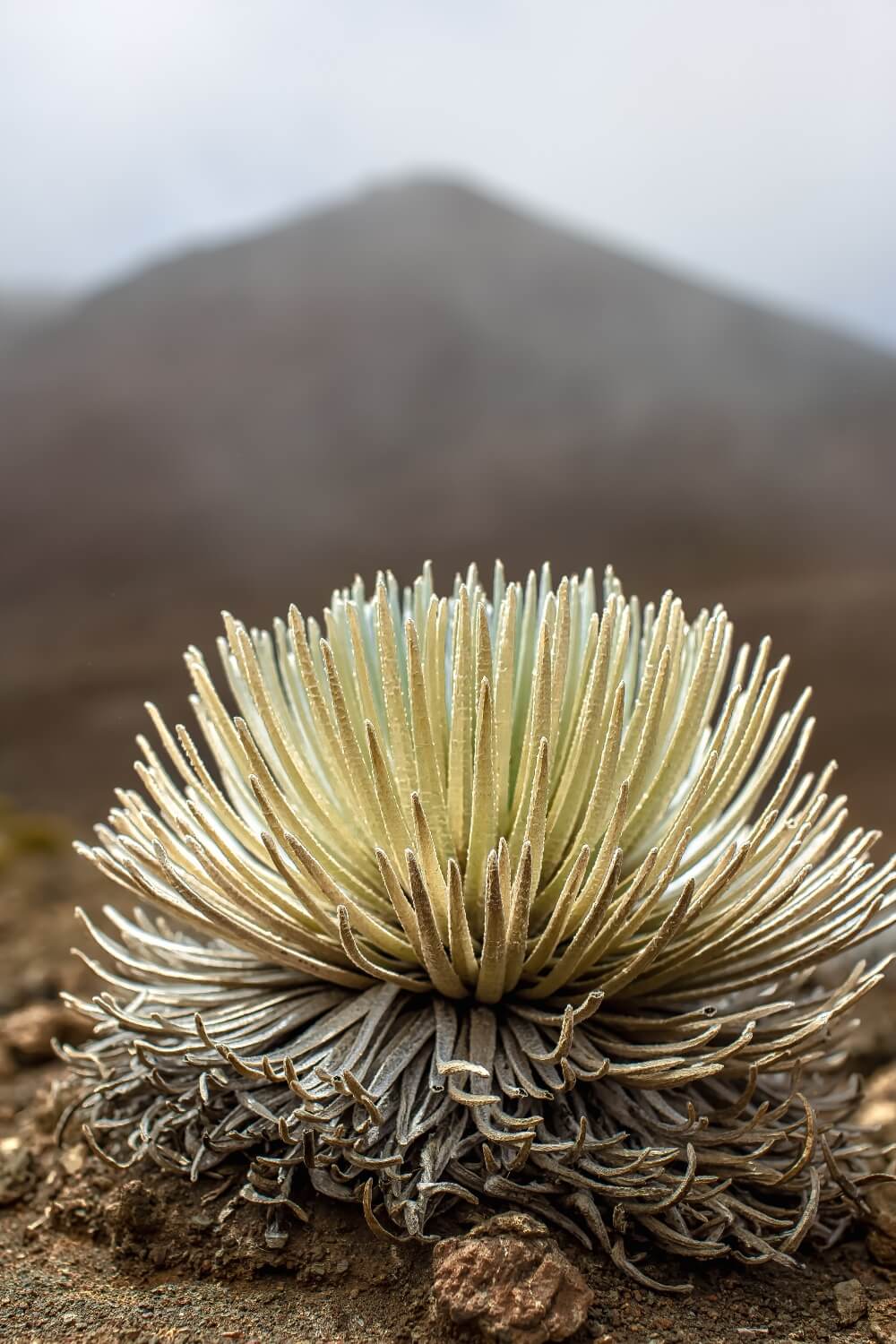
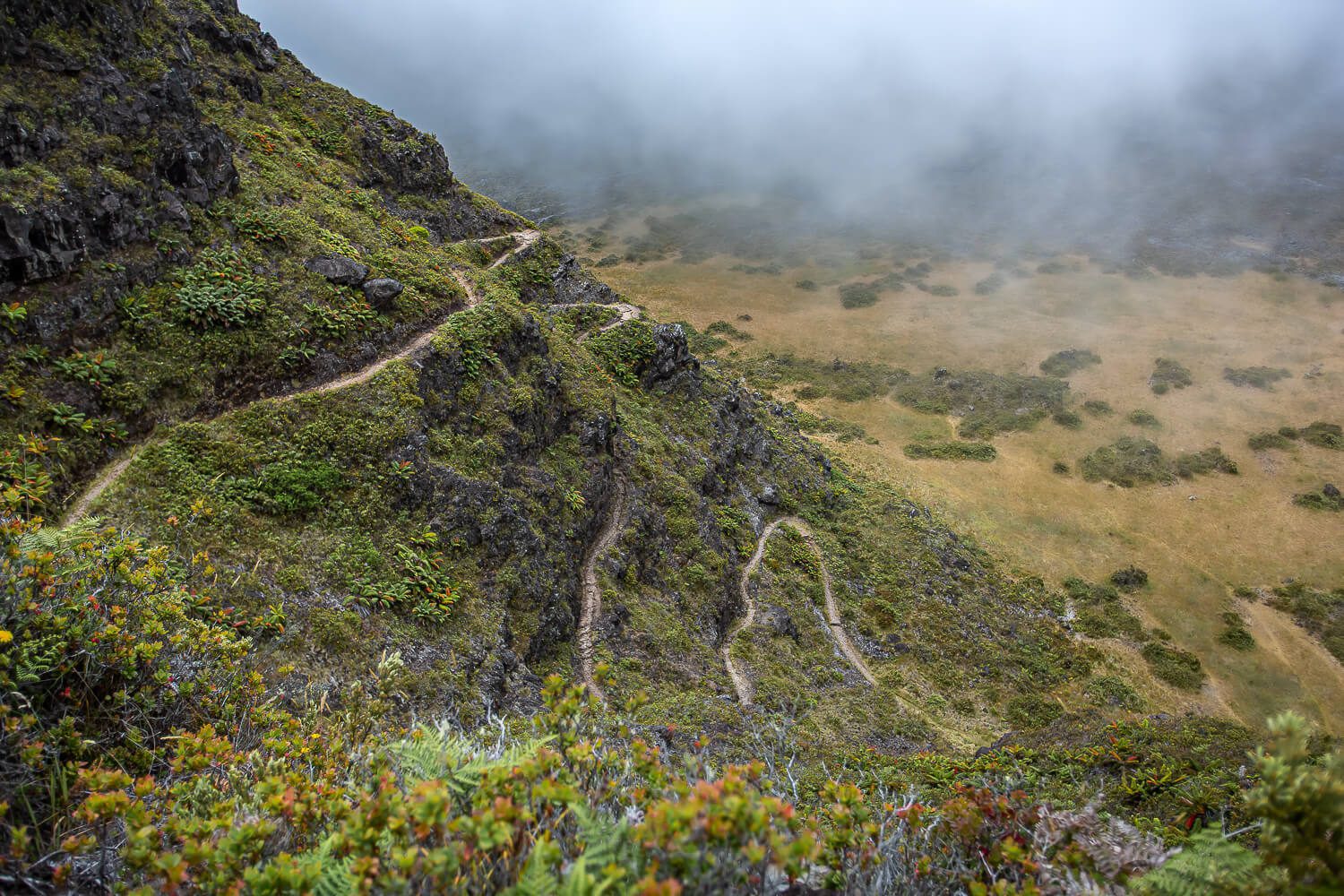
Hiking is my favorite way to experience the Summit District. The Sliding Sands Trail descends from near the summit into a landscape of colorful cinder cones, volcanic rock, and rare ‘āhinahina silverswords.
For an even bigger adventure, connect Sliding Sands with the Halemau’u Trail for a strenuous hike through the crater. Keep in mind that these trails begin at high elevation and require considerably more effort on the way back out.
🥾 Looking for more trails? Read my complete guide to the Best Hikes in Maui
👇 Planning to hit the trails while you’re on Maui? Download my free Maui Hiking Mini Guide for more of the island’s best hikes and helpful trail tips.

Walk the Hosmer Grove Loop
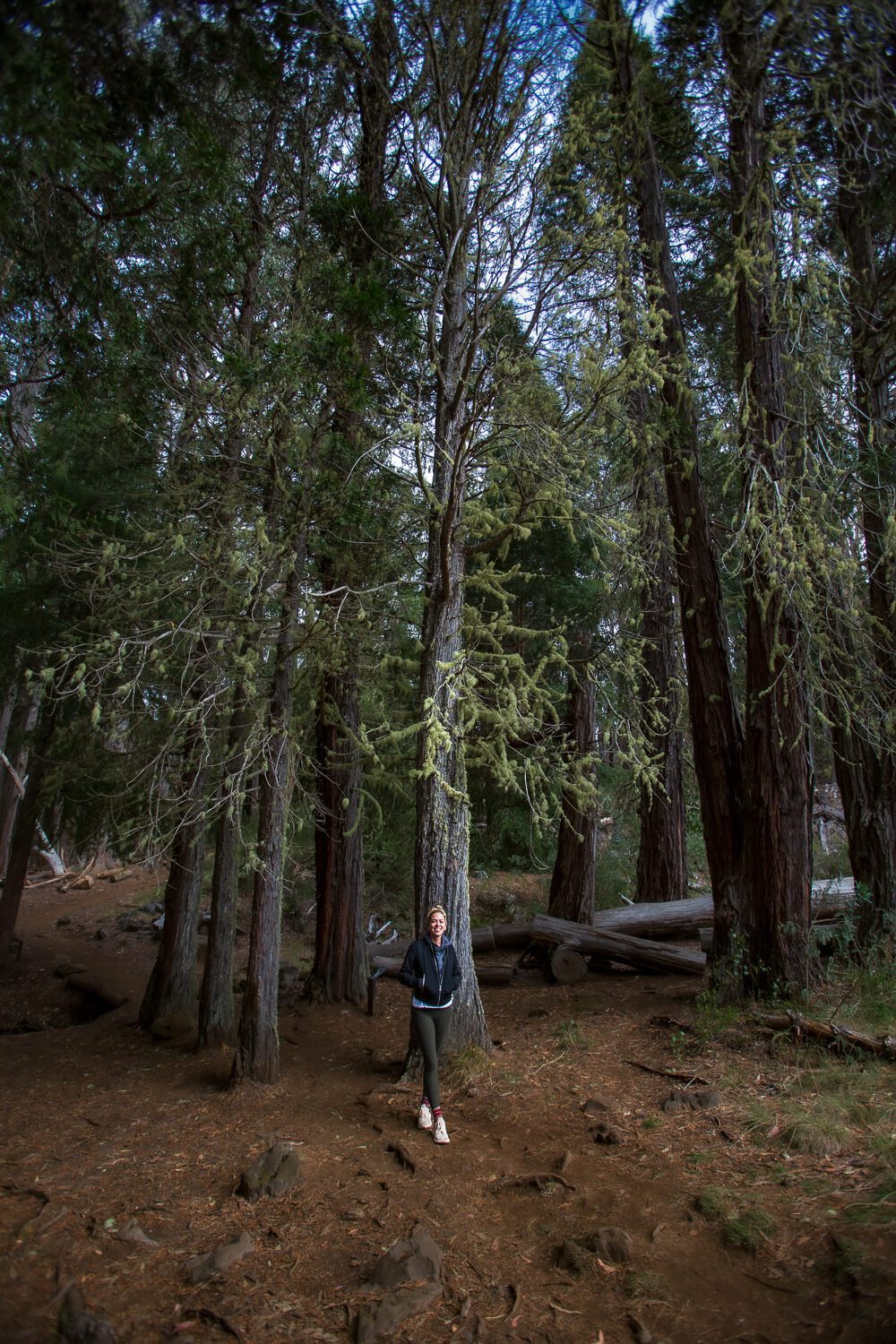
The Hosmer Grove Loop is an easy 0.6 mile trail near the entrance to Haleakalā National Park. It passes through a forest of introduced trees before transitioning into native shrubland, where you may spot Hawaiian honeycreepers.
This is a great option for families, birdwatchers, or anyone looking for a short walk before continuing toward the summit. Learn what to expect in my complete guide to the Hosmer Grove Trail.

Go Stargazing
Haleakala’s high elevation and limited light pollution create incredible stargazing conditions. Sunset followed by stargazing is a great way to experience both.
Bring warm layers and remember that Haleakala is sacred to Native Hawaiians, so enjoy the summit quietly and respectfully.

Camp Inside Haleakala National Park
For the ultimate adventure, reserve a campsite or spend the night in one of Haleakala’s three wilderness cabins: Hōlua, Kapalaoa, or Palikū.
These rustic cabins are found on the crater floor and are only accessible by trail. This requires carrying your own food, water, sleeping gear, and other essentials.
Joe and I have stayed inside the crater several times, and it remains one of my favorite adventures on Maui. Waking up surrounded by the quiet volcanic landscape allows you to experience a side of Haleakala that most visitors never see.
🪵 Read my complete guide to Camping in the Haleakala wilderness cabins for what to expect, how to score permits, and much more.
Take a Haleakala Bike Tour
Some guided tours combine a summit visit with a downhill bicycle ride along the slopes of Haleakala. Commercial bike tours cannot begin the cycling portion inside the national park, so riders are transported out of the park before getting on their bikes.
🚲 Check out this guided Haleakala Sunrise Bike Tour. These tours are a fun way to experience the changing landscapes between Haleakala and Upcountry Maui, but they involve riding along winding public roads shared with vehicles.
Things to Do in the Kipahulu District
Located about 12 miles beyond Hana, the Kipahulu District is filled with rainforest, waterfalls, freshwater streams, Hawaiian cultural sites, and dramatic coastal views.


Hike the Pipwai Trail to Waimoku Falls
The Pipiwai Trail is the main reason many travelers visit the Kipahulu District – and easily one of the memorable hikes on Maui. The moderately strenuous trail covers four miles round trip and gains 800 feet of elevation.
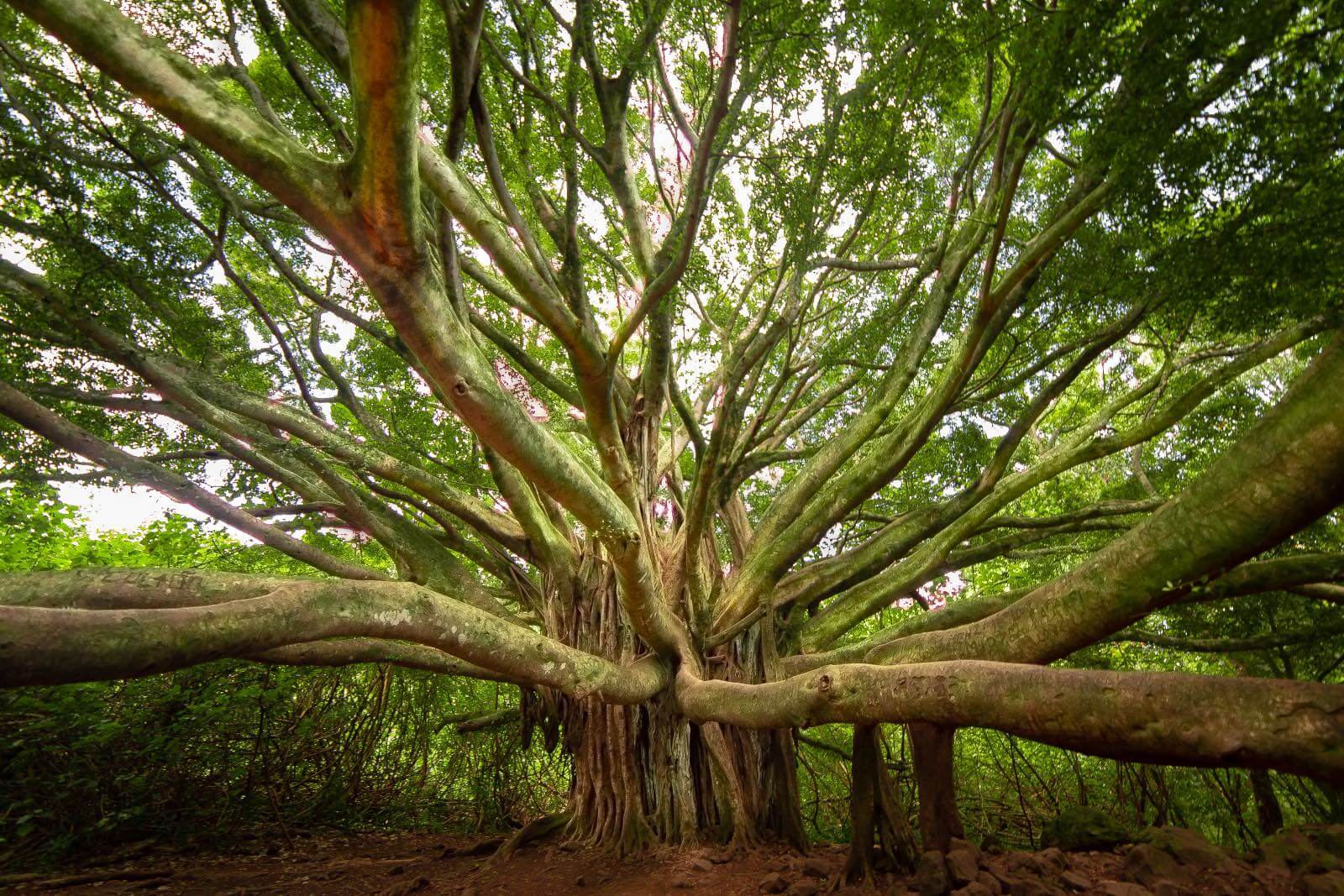
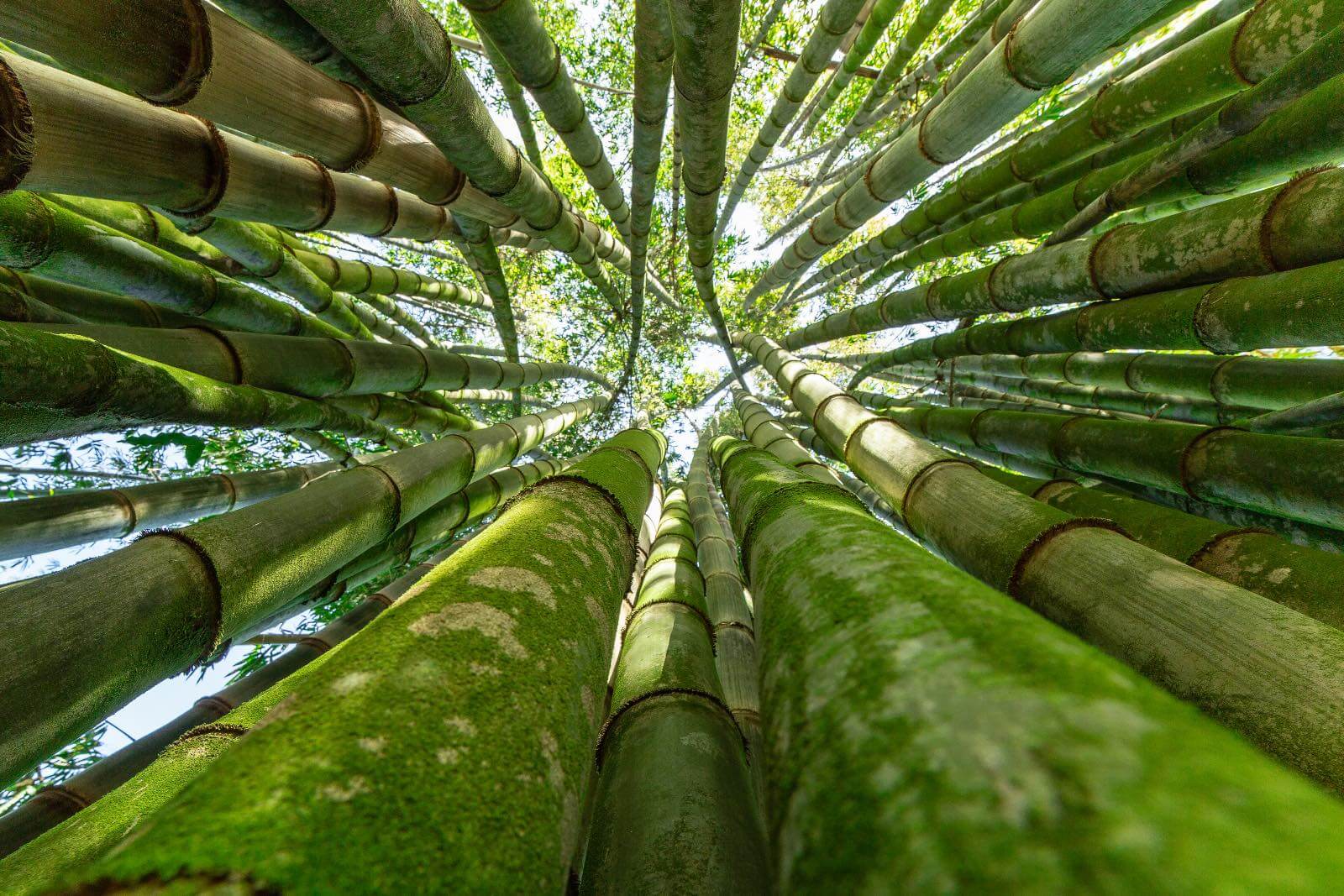
Along the way, you’ll pass Makahiku Falls, a large banyan tree, freshwater streams, and a dreamy bamboo forest before reaching the Waimoku Falls viewing area. Waimoku Falls drops 400 feet down a sheer cliff at the end of the trail.
Stay behind all barriers, as falling rocks and flash floods can make the area extremely dangerous. Allow at least three hours for the hike, and expect muddy or slippery trail conditions after rain.
Walk the Kuloa Point Trail
The Kuloa Point Trail is an easy 0.5 mile loop that begins near the Kipahulu Visitor Center. The trail passes Hawaiian cultural sites before reaching the coastline and the mouth of ‘Ohe’o Gulch.
This is a great option if you don’t have enough time for the Pipiwai Trail or want to add a short coastal walk after your hike.
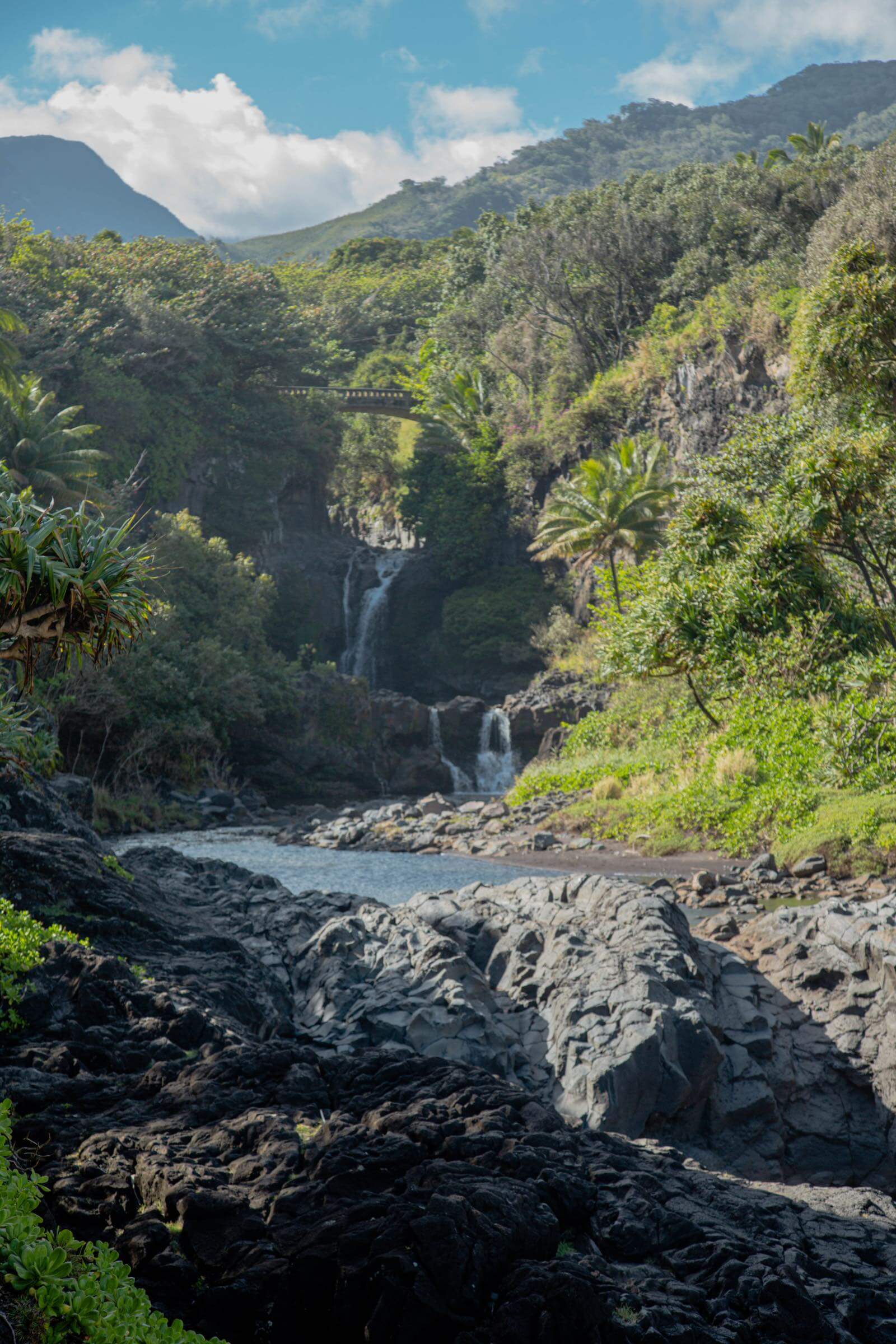
View the Pools of ‘Ohe’o
The Pools of Oheo, often called the Seven Sacred Pools, are a series of freshwater pools and waterfalls flowing through ‘Ohe’o Gulch toward the ocean.
You can see the area from the Kuloa Point Trail, although the number and appearance of the pools vary depending on recent rainfall.
Do not plan on swimming here. Access to the pools and waterfalls may be closed because of flash floods, rockfalls, and other dangerous conditions. Check current park alerts and obey all posted signs during your visit.

Camp at Kīpahulu Campground
Kipahulu Campground offers campsites overlooking Maui’s rugged eastern coastline. Staying overnight allows you to experience the peaceful side of Kipahulu after most Road to Hana visitors have left for the day.
Advance reservations are required. The campground has picnic tables and vault toilets but no showers or electrical outlets. Campers should arrive with their own food, water, and other supplies because services are extremely limited beyond Hana.
⛺️ Find more places to stay outdoors in my guide to the best places to camp in Maui.

Explore More Around Kipahulu and Hana
The Kipahulu District is located beyond many of the best stops on the Road to Hana, including Wai’anapanapa State Park, Hana Town, and Wailua Falls. If you prefer a self-guided audio tour, the Shaka Guide provides GPS-based directions and stories along the drive.

How Much Time Do You Need at Haleakala National Park?
Allow at least half a day for the Summit District if you plan to visit the overlooks and complete a short walk. Set aside a full day if you ant to hike into Haleakala Crater.
For the Kipahulu District, allow at least three to four hours to hike the PIpiwai Trail and walk the Kuloa Point Trail. The long drive along the Hana Highway makes Kipahulu a full-day excursion from most Maui resort areas.
To experience both districts, plan two separate days. Staying overnight in Hana makes visiting Kipahulu much easier and gives you time to enjoy the area without rushing.
Suggested Haleakalā National Park Itineraries
These simple Haleakala itineraries can help you decide what to prioritize based on your available time.
Half-Day Summit Itinerary
A half-day visit is ideal if you want to experience the summit without completing a major hike.
- Watch sunrise or plan to arrive well before sunset
- Stop at the Haleakala Visitor Center
- Walk the short Pā Kaʻoao Trail
- Drive to Pu’u’u’ula’ula, the 10,023 foot summit
- Stop at Kalahaku or Leleiwi Overlook
- Walk the Hosmer Grove Loop on your way into or out of the park
If you visit for sunrise, continue exploring after the sunrise crowds begin to leave. For sunset, complete the overlooks and short hikes first, then choose your viewing location well before parking reaches capacity.

Full-Day Summit Hiking Itinerary
Dedicate a full day to the Summit District if you want to hike into Haleakala Crater.
- Arrive early in the morning
- Stop at the visitor center and check current trail conditions
- Hike part or all of the Sliding Sands Trail
- Connect with the Halemau’u Trail if you have arranged transportation for the point-to-point route
- Stop at an overlook before leaving the park
Choose your hiking distance carefully. These trails begin with a descent, leaving the most difficult climbing for the return. High elevation, sun exposure, soft volcanic terrain, and rapidly changing weather can also make the hike take longer than expected.
Kipahulu District Itinerary
Arrive at the Kipahulu District early, especially if you are traveling from Hana or combining the visit with the Road to Hana.
- Hike the Pipiwai Trail to the Waimoku Falls viewing area
- Eat a packed lunch near the visitor center
- Walk the Kuloa Point Trail
- View the Pools of ‘Ohe’o from the trail
- Check current park conditions before beginning the drive back
Allow at least three to four hours inside the park, plus driving time.
How to Get to Haleakalā National Park
There is also no public transportation to either district, so you will need a rental car or guided tour.
How to Get to the Summit District
The Summit District is located in Upcountry Maui and is reached by following Highway 37 to Highway 377 and then Highway 378. The road continues through the park entrance to the Haleakala Visitor Center and the summit.
Maui may look small on a map, but reaching the top of Haleakalā takes longer than many visitors expect. The drive climbs from near sea level to more than 10,000 feet, passing through several climates along the way.
- From Kahului: 2 to 2.5 hours
- From Wailea: 2.5 to 3 hours
- From West Maui: 3 to 3.5 hours
- From Upcountry Maui: 1 to 1.5 hours
The road between the park entrance and summit takes about 30 minutes and has no streetlights. Drive carefully, watch for wildlife, and use a lower gear during the descent to avoid overheating your brakes.
Fill your gas tank in Pukalani before driving into the park. There are no gas stations or electric-vehicle charging stations inside Haleakalā National Park.

How to Get to the Kipahulu District
The Kipahulu District is located along Maui’s remote eastern coastline, about 12 miles past Hana. From Kahului, follow Highway 36, Highway 360, and then Highway 31 along the Road to Hana.
The drive from Kahului to Kipahulu takes about four hours without extended stops. From Hana Town, allow 30-45 minutes. Although the distance may not look far, the Hana Highway has hundreds of curves, narrow sections, and numerous one-lane bridges.
Traffic, weather, roadwork, and sightseeing stops can make the journey considerably longer. Fill your gas tank before beginning the drive and bring food and water.
Services are limited beyond Hana, and there is no food or fuel available inside the Kipahulu District. Road conditions and closures can change quickly in East Maui.
🚙 Travel Tip: Driving the Backside Road to Hana gets you to the entrance of the park sooner than the traditional route along the Road to Hana.

What to Pack for Haleakala National Park
What you should bring depends on which district you plan to visit. The Summit District can be freezing, windy, and intensely sunny, while Kipahulu is typically warm, humid, rainy, and muddy.
Bring all the water you will need. Water availability can change, particularly in the remote Kīpahulu District, so check current park conditions before leaving.
👉 For either district, bring:
- Plenty of Water: Bring a full reusable water bottle, even though drinking water is available at the visitors centers.
- Food and Snacks: There is no food for sale inside either district, and services are especially limited around Kipahulu.
- Sturdy Shoes: Wear supportive shoes with good traction, particularly if you plan to hike. Summit trails contain loose volcanic cinder, while Kipahulu trails can be muddy and slippery.
- Sun Protection: Pack sunscreen, sunglasses, and a hat. UV exposure is intense at the summit, even when temperatures feel cold.
- Rain Protection: Conditions change quickly, so bring a lightweight rain jacket in either district.
- Offline Directions: Cell service is limited. Download park maps, driving directions, and any reservation confirmations before leaving.
🌋 For the Summit District, also bring:
- Warm clothes, including a jacket and long pants
- A warm hat and gloves for sunrise and sunset
- A headlamp if visiting before sunrise, after sunset, or hiking in low light
🎋 For the Kipahulu District, also bring:
- Insect repellent
- Lightweight, quick-drying clothing
- Dry socks or change of shoes for after a muddy hike

Tips for Visiting Haleakalā National Park
A little preparation can make a major difference when visiting Haleakala National Park. These tips will help protect you, the park, and the people and wildlife that call this sacred landscape home.
- 🪨 Respect the Land: Haleakala is sacred to Native Hawaiians. Never remove rocks, plants, cultural objects, or other natural materials from the park. Learn about more mistakes to avoid when visiting Hawaii.
- ♻️ Leave No Trace: Pack out everything you bring into the park and dispose of waste properly.
- ⛰️ Take the Elevation Seriously: The summit sits at high altitude, more than 10,000 feet. Watch for symptoms of altitude sickness, including headaches, nausea, dizziness, and shortness of breath.
- 🥾 Stay on Designated Trails: Volcanic terrain, cliff edges, flash floods, rockfalls, and sudden weather changes can create dangerous conditions. Obey all posted closures and barriers.
- 🌦️ Check Current Conditions: Review weather, road, trail, and park alerts before leaving. Conditions can change quickly in both districts.
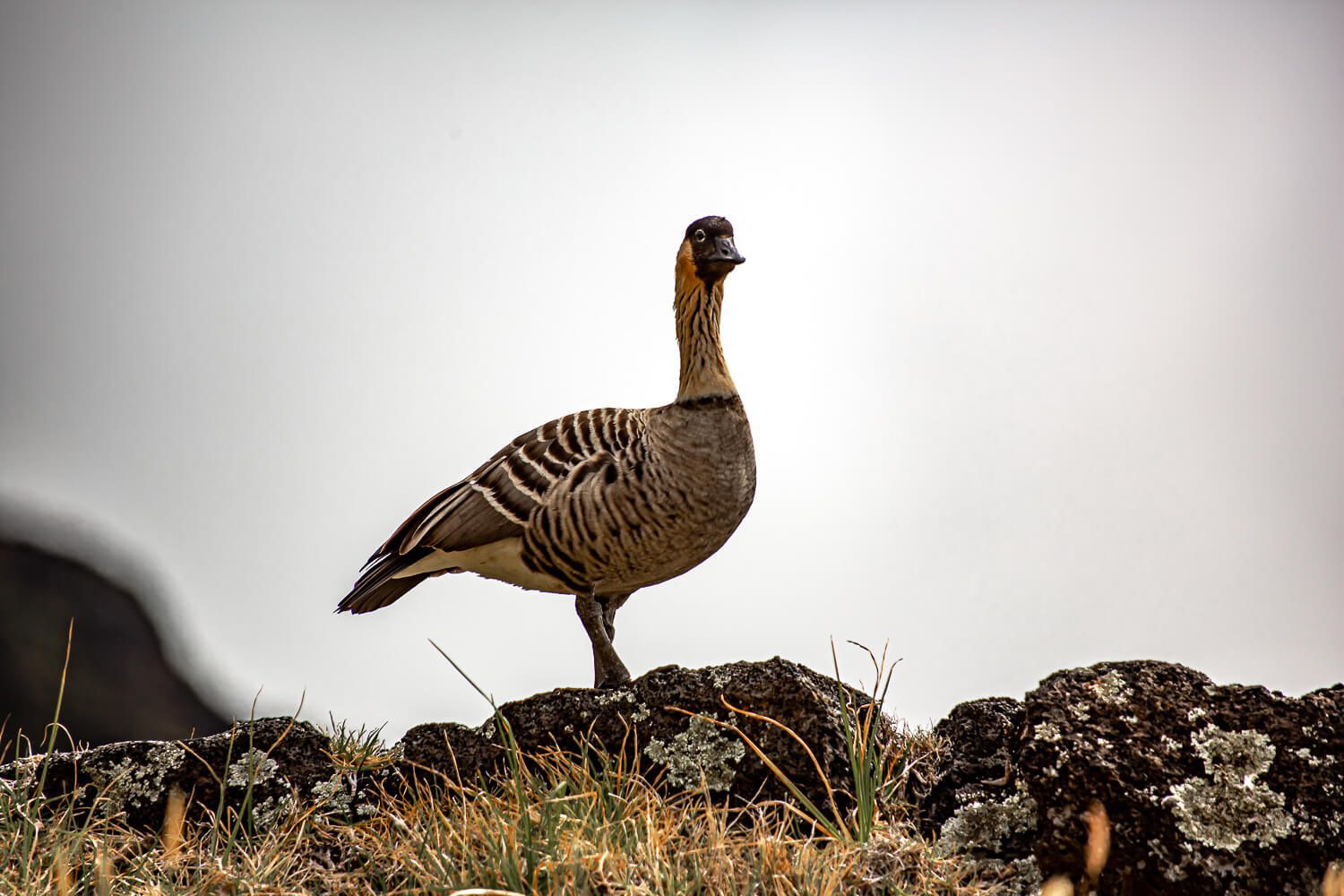
- 🪿 Watch for Wildlife: Nēnē and other birds are frequently seen near roads and parking areas. Never feed wildlife and allow animals to cross safely.
- 📵 Expect Limited Cell Service: Tell someone your plans before completing a long hike and do not rely on your phone for navigation or emergency assistance.
- 🚁 Leave the Drone at Home: Launching, landing, or operating a drone is prohibited inside Haleakalā National Park.
- ⛺️ Only Camp in Designated Areas: Sleeping in your vehicle outside a reserved campground is prohibited. Overnight stays are only allowed in designated campgrounds, wilderness campsites, or cabins with the required reservation.
- 🗣️ Keep the Summit Peaceful: Speak quietly and avoid disturbing Native Hawaiian cultural practices or other visitors experiencing the summit.

Where to Stay Near Haleakala National Park
Haleakalā National Park does not have a traditional hotel inside the park. Since the districts have separate entrances several hours apart, choose where to stay based on which district you plan to visit.
Where to Stay Near the Summit District
Kula is the closest and most convenient area to stay near the Summit District, especially if you have an early Haleakala sunrise reservation. Ha’le Kiana is a peaceful, adults only property in Kula with beautiful mountain and ocean views.
Makawao and Paia are farther from the entrance but offer more restaurants, shops, and accommodation options. Discover more places to explore in my guide to Upcountry Maui.
Where to Stay Near the Kipahulu District
Hana is the best place to stay when visiting the Kipahulu District. The park entrance is about 30 minutes beyond Hana, allowing you to arrive early and hike the Pipiwai Trail before most Road to Hana day-trippers reach the park.
Hana-Maui Resort (pictured above) is the area’s luxury option, offering spacious accommodations in a quiet tropical setting. Hana also has smaller inns, cottages, and vacation rentals for different budgets.
🌺 Find the right accommodation in my guide to Where to Stay in Hana
Haleakala National Park Vlogs
Rather see Haleakalā in action? Watch the videos Joe and I filmed during our our visits to the national park. If you enjoy them, please subscribe to our channel
🎥 Watch our Maui Series on YouTube
Final Thoughts on Visiting Haleakala National Park
From watching the sunrise above the clouds to hiking through a bamboo forest, Haleakala National Park showcases some of Maui’s most incredible landscapes.
Haleakala deserves a place on every Maui itinerary. Give yourself enough time, prepare for changing weather, and remember to treat this sacred landscape with respect.
Maui Travel Guides ↓
📍Planning a trip to Maui? I lived on Maui for well over a decade and its where this blog was born. Check out these guides to further help you plan your trip.
Enjoy this Post?!?! Pin in for Later ↓