
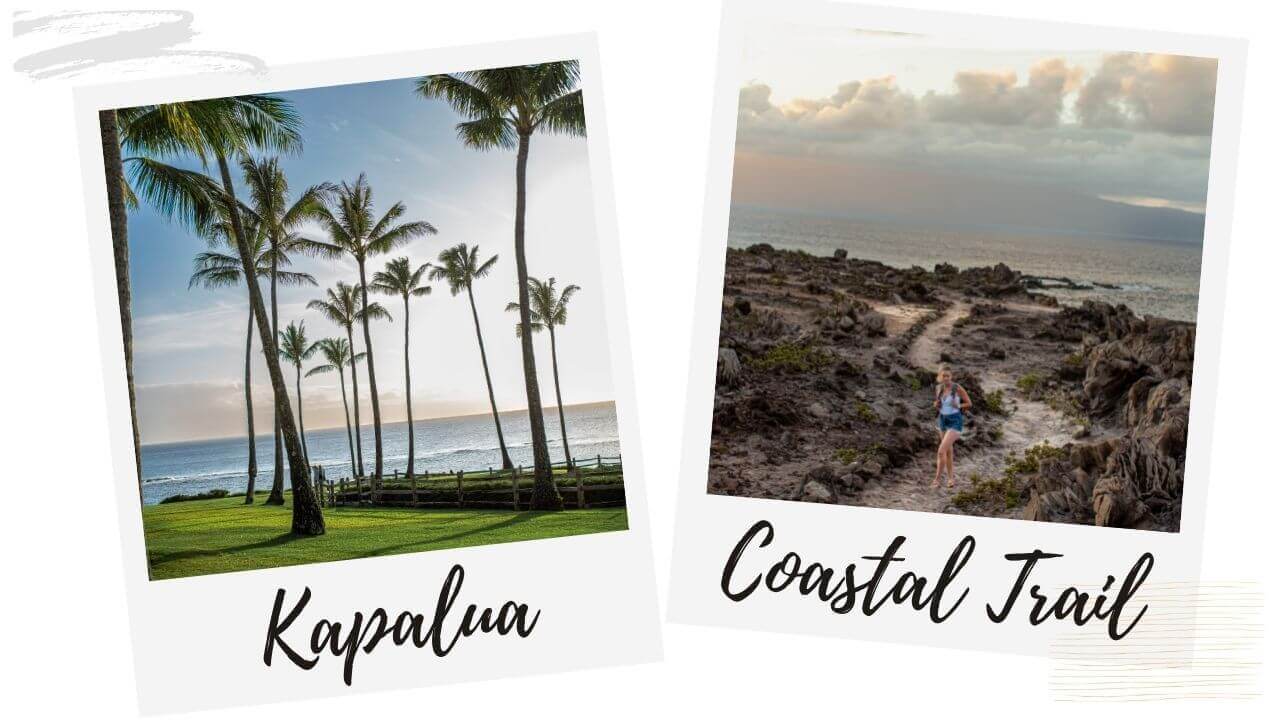
The Kapalua Coastal Trail is an easy oceanfront walk that follows Maui’s rugged northwestern coastline. With beautiful beaches, lava-rock viewpoints and sweeping ocean views, it’s one of the best easy hikes in Maui.
The trail runs north from Kapalua Bay, crosses the sand dunes at Oneloa Bay, passes the Ritz-Carlton and ends at D.T. Fleming Beach Park. The route combines paved paths, wooden boardwalks, sand and sections of uneven lava rock.
I lived less than 10 minutes from the trail and walked this stretch of coastline regularly while living on Maui for over a decade.
In this guide, I’ll share my firsthand tips and cover where to park, trail distance, route highlights, safety and everything you need to know before walking the Kapalua Coastal Trail.
For full transparency, this post contains affiliate links, which means I may earn a small commission if you make a purchase - at no additional cost to you. I only recommend products and services that I genuinely use, trust, or believe will add value to your travels. Your support helps me continue creating free travel guides for you to enjoy.
Kapalua Coastal Trail Quick Facts
- 🥾 Distance: Approximately 1.75 miles one way or 3.5 miles round trip
- 💪 Difficulty: Easy
- 👉 Route: Out and back
- ⏰ Time: About 1½–2½ hours round trip
- ⏳ Hours: Sunrise to Sunset
- ⛰️ Elevation gain: Minimal
- 💰 Cost: Free to access; no reservation or permit required. Parking fees vary by location.
- 🪨 Trail surface: Pavement, boardwalk, sand and uneven lava rock
- ♢ Trailheads: Kapalua Bay or D.T. Fleming Beach Park
- ☀️ Best time: Early morning or late afternoon
- 🚿 Facilities: Restrooms and outdoor showers at the public beach parks

Kapalua Coastal Trail Map
The map above marks the primary access points, parking areas, beaches and coastal landmarks along the Kapalua Coastal Trail.
Use it to plan your starting point and decide whether you want to walk the complete out-and-back route or a shorter section.
Where Does the Kapalua Coastal Trail Start?
The Kapalua Coastal Trail can be accessed from several points, including Kapalua Bay, Bay Villas, Oneloa Bay, the Ritz-Carlton and D.T. Fleming Beach Park. However, the two most convenient places to begin are Kapalua Bay at the southern end and D.T. Fleming Beach Park at the northern end.
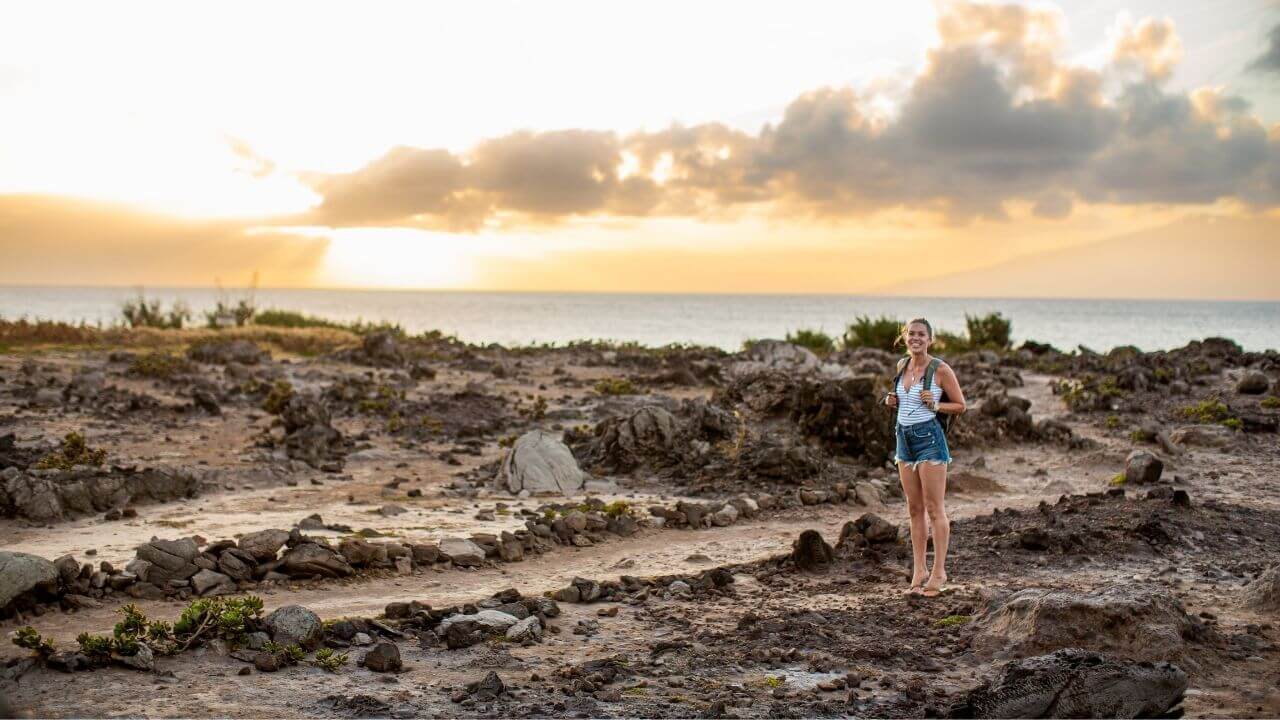
I prefer starting at Kapalua Bay and walking north toward D.T. Fleming Beach. This direction takes you past Oneloa Bay, Hawea Point and the short detour to Dragon’s Teeth before continuing toward the Ritz-Carlton. You can walk the complete route or turn around whenever you’re ready.
The trail is located on Maui’s northwestern coast, about 10 minutes north of Kaanapali. From Kaanapali, follow Honoapiʻilani Highway north toward Napili and Kapalua.

Kapalua Coastal Trail Parking
The two easiest places to park for the Kapalua Coastal Trail are near Kapalua Bay and at D.T. Fleming Beach Park.
Kapalua Bay Parking
A small public beach parking lot is located near Kapalua Bay and Merriman’s Kapalua. This is my preferred starting point because you can begin at Kapalua Bay and follow the coastline north toward D.T. Fleming Beach.
Get directions to the Kapalua Bay parking area.
The free parking lot is limited and can fill quickly, especially on weekends and around sunset. Additional legal street parking is available along Lower Honoapiʻilani Road. Always follow posted signs and avoid resort, residential or reserved spaces.
D.T. Fleming Beach Park Parking
You can also begin at D.T. Fleming Beach Park at the northern end of the trail. The beach park has restrooms, outdoor showers, picnic areas and designated parking. Some parking areas may charge a fee, so check the posted signs when you arrive.

What to Expect on the Kapalua Coastal Trail
The Kapalua Coastal Trail is one of the easier hikes in West Maui. Compared with more challenging trails such as the Lahaina Pali Trail and Mahana Ridge Trail, this route feels more like a scenic coastal walk than a traditional hike.
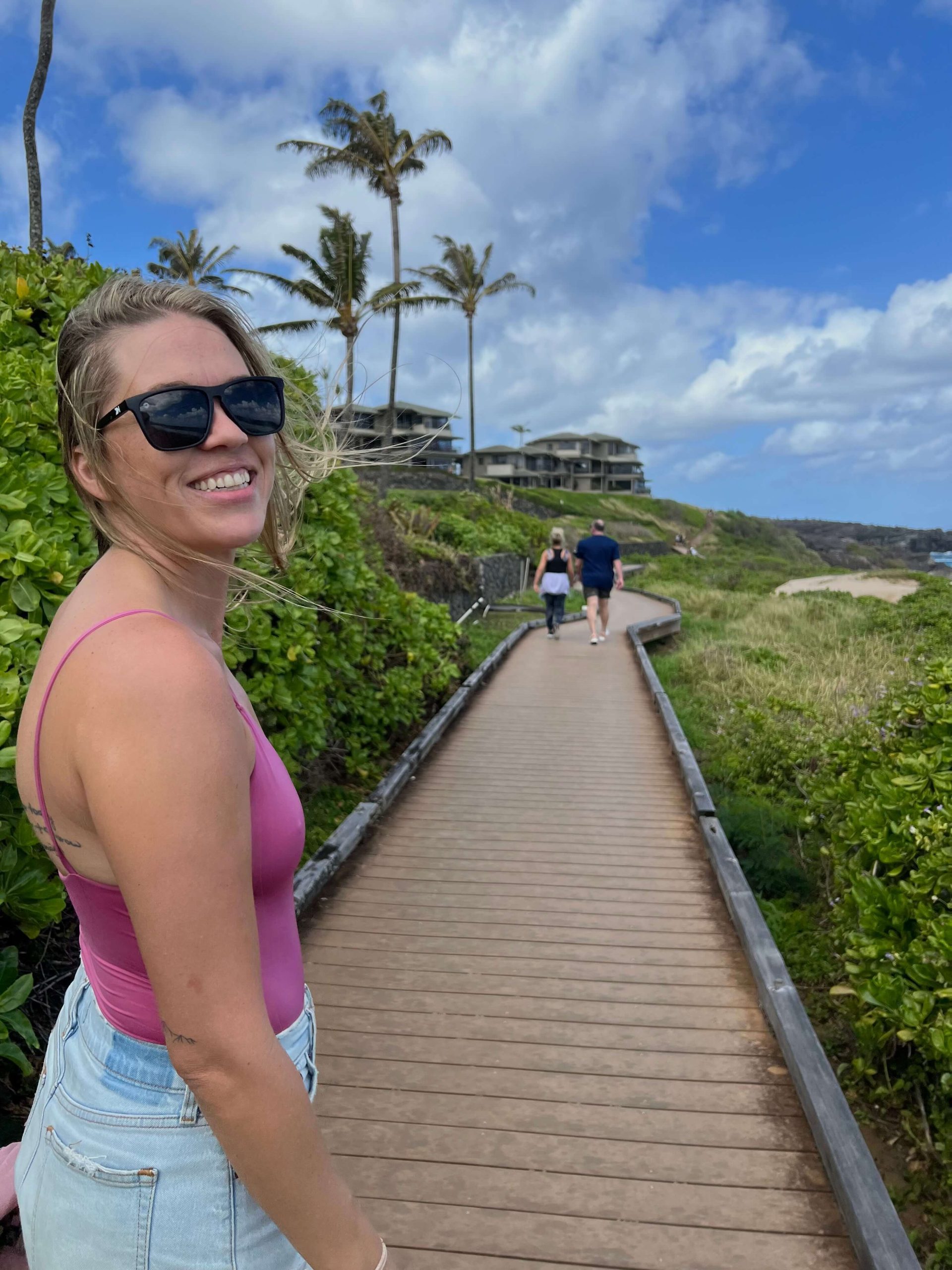
Although the trail is mostly flat, it isn’t completely paved. The surface changes between pavement, wooden boardwalks, sand and uneven lava rock. Those transitions are part of what makes the walk interesting, but they may be difficult for strollers, wheelchairs and anyone with limited mobility.
There is also very little shade once you leave the beach and resort areas. I prefer walking early in the morning, when temperatures are cooler and the coastline is generally less windy.

How Long Is the Kapalua Coastal Trail?
The Kapalua Coastal Trail is approximately 1.75 miles one way between Kapalua Bay and D.T. Fleming Beach Park, making the complete out-and-back route about 3.5 miles.
Plan on spending 1½ to 2½ hours walking the entire trail, depending on your pace and how often you stop at the beaches and viewpoints. Your distance may vary depending on where you park and whether you explore the short paths along the coastline.
You don’t have to complete the entire route. If you’re short on time, start at Kapalua Bay and walk toward Oneloa Bay and Hawea Point before turning around.

Beaches and Highlights Along the Kapalua Coastal Trail
One of the best things about walking the Kapalua Coastal Trail is the variety of scenery packed into a relatively short route.
Starting at Kapalua Bay and walking north, you’ll pass beaches, protected sand dunes, lava-rock viewpoints and several of Kapalua’s best-known coastal landmarks.

Kapalua Bay
Kapalua Bay marks the southern end of the main trail and is one of the most popular beaches in West Maui. The protected, crescent-shaped bay is known for calm morning conditions and the best snorkeling in West Maui, although ocean conditions can change throughout the day.
If you plan to swim or snorkel, arrive early and check the conditions before entering the water. Restrooms and outdoor showers are available near the beach.

Oneloa Bay
The trail continues north to Oneloa Beach, also known as Ironwoods Beach. This long stretch of sand is usually quieter than Kapalua Bay and is backed by dramatic cliffs and luxury residences.
Oneloa means “long sand” in Hawaiian. The beach can experience strong currents and large surf, particularly during winter, so use caution and observe conditions from shore when the ocean is rough.
Hawea Point
After Oneloa Bay, the wooden boardwalk crosses the coastal dunes toward Hawea Point. This exposed lava-rock point offers expansive views of the Pacific Ocean and the neighboring island of Molokai.
Hawea Point is also an important habitat for native seabirds. Stay on the designated trail and boardwalk to avoid disturbing nesting areas and fragile coastal vegetation. During whale season, Hawea Point is also one of my favorite places along the trail to pause and scan the ocean for humpbacks.
Dragon’s Teeth
Dragon’s Teeth is a collection of jagged lava formations at Makaluapuna Point. As lava flowed toward the ocean, strong winds and waves caused it to harden into pointed shapes that resemble a row of giant teeth.
The dragon’s teeth access trail is reached by a short detour from the main coastal route near the northern end of Oneloa Bay. Remain on established paths, stay back from exposed cliffs and avoid approaching the shoreline during high surf.
Ritz-Carlton Kapalua
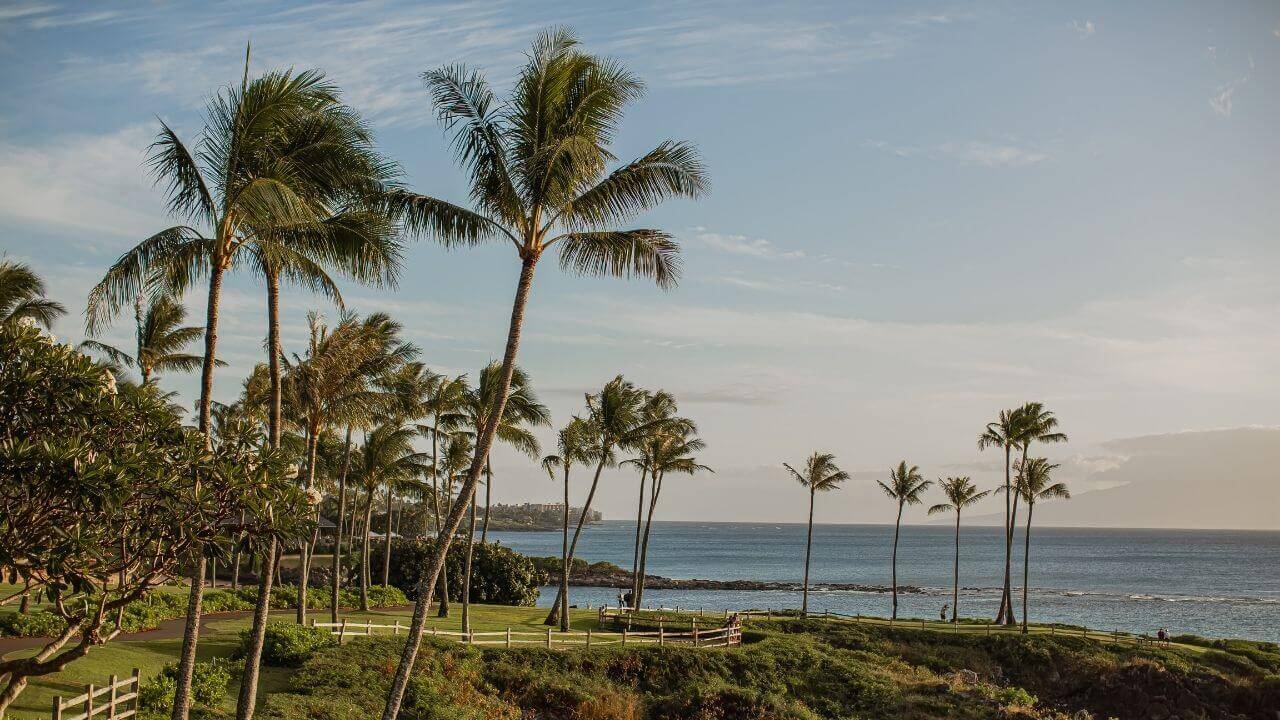
The trail continues through the coastal grounds near the Ritz Carlton Kapalua. This portion includes landscaped paths and ocean views before reaching D.T. Fleming Beach Park. Be respectful while passing through the resort area and remain on the designated public coastal trail.
D.T. Fleming Beach Park
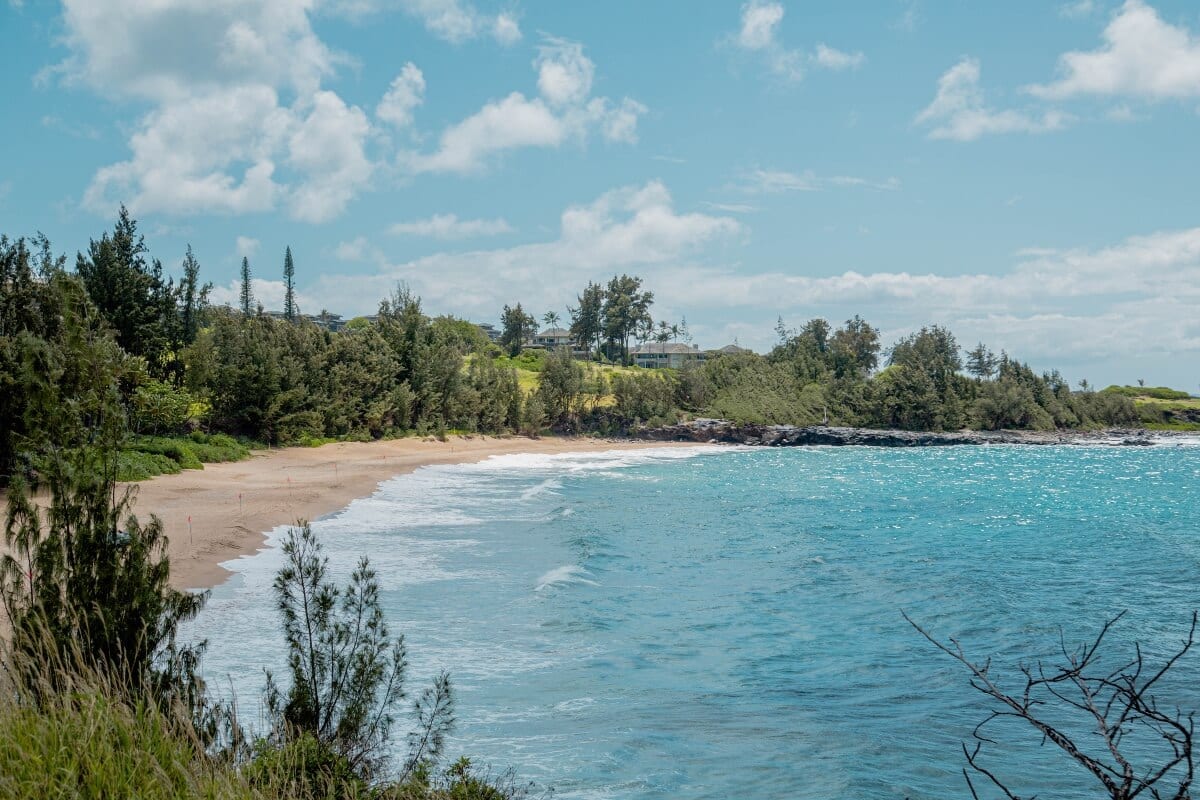
D.T. Fleming Beach Park marks the northern end of the Kapalua Coastal Trail. The beach park has public restrooms, outdoor showers, picnic tables and public parking, making it a convenient place to rest before returning to Kapalua Bay.
The beach is popular for swimming, bodyboarding and surfing, but winter swells and rip currents can create hazardous conditions. Check posted warnings and speak with a lifeguard before entering the water.
🌴 Want to explore more of Maui’s coastline? Read my guide to the best beaches in Maui.

Best Time to Walk the Kapalua Coastal Trail
Early morning is the best time to walk the Kapalua Coastal Trail. Temperatures are cooler, winds are generally lighter and parking is easier to find. Morning can also offer calmer conditions if you plan to swim or snorkel at Kapalua Bay, although you should always check the ocean before entering.
Late afternoon is another beautiful time to walk the trail, especially if you want to stay for sunset. However, the coastline can become windier later in the day, and parking near Kapalua Bay may be more difficult to find.
From December through April, watch for humpback whales offshore. January through March generally offers some of the most consistent whale sightings, so bring binoculars and pause at Hawea Point for a better view. Read my complete Maui whale-watching guide for more seasonal tips.
Kapalua receives more passing showers than many parts of West Maui. Light rain often moves through quickly, but avoid the exposed lava-rock sections during storms, strong winds or hazardous surf.
Kapalua experiences warm weather throughout the year, but conditions can change depending on the season. Before planning your trip, read my guide to the best time to visit Maui for a complete breakdown of Maui’s weather, crowds and seasonal highlights.
What to Bring on the Kapalua Coastal Trail
You don’t need technical hiking gear for the Kapalua Coastal Trail, but a few essentials will make the walk more comfortable.
- Water: The route is exposed, and the afternoon can feel hot. Bring plenty of water.
- Sun protection: Bring a hat, sunglasses and mineral sunscreen because most of the route has little shade.
- Comfortable shoes: Sneakers or secure walking sandals work well on the pavement, sand and uneven lava rock.
- Swimsuit and towel: Pack these if you plan to stop at Kapalua Bay or D.T. Fleming Beach.
- Snorkeling gear: Kapalua Bay can offer good snorkeling when ocean conditions are calm.
- Binoculars: Bring them during whale season to look for humpbacks offshore.
- Light rain jacket: Brief showers are common around Kapalua.
- Camera or phone: The trail has beautiful coastal views throughout the route.
Kapalua Coastal Trail Safety and Tips
The Kapalua Coastal Trail is an easy walk, but parts of the route cross uneven lava rock and exposed coastline. Keep these tips in mind before you go:
- Stay back from the cliffs. Large waves can wash over the rocks without warning, especially during winter and periods of high surf.
- Avoid exposed tide pools. Even when the water appears calm, waves can reach the rocks and create dangerous conditions.
- Check conditions before swimming. Kapalua Bay and D.T. Fleming Beach can experience changing currents, waves and visibility. Follow posted warnings and speak with a lifeguard when one is present.
- Remain on the established path. Staying on the trail and boardwalk protects fragile sand dunes, coastal vegetation and nesting seabirds.
- Leave natural and cultural materials behind. Do not remove rocks, sand, shells, plants or artifacts.
- Do not approach wildlife. Observe green sea turtles, seabirds and marine life from a respectful distance.
- Dogs are not permitted. Dogs are not allowed on the Kapalua Coastal Trail, including the protected seabird nesting area near Hawea Point.
- Check the weather and surf forecast. Postpone your walk during storms, extreme wind or hazardous surf conditions.
The trail is open from sunrise to sunset. Give yourself enough time to return to your vehicle before dark, especially if you’re walking the complete out-and-back route.

Kapalua Coastal Trail FAQs
Is the Kapalua Coastal Trail free?
Yes, the Kapalua Coastal Trail is free to access, and you do not need a permit or reservation. Parking availability and fees vary by location, so check the posted signs before leaving your vehicle.
Where does the Kapalua Coastal Trail start?
You can begin at either Kapalua Bay or D.T. Fleming Beach Park. I recommend starting near Kapalua Bay and walking north toward D.T. Fleming Beach Park.
How long does it take to walk the Kapalua Coastal Trail?
Plan on about 1½ to 2½ hours to complete the approximately 3½-mile round-trip walk. Allow additional time if you want to stop at the beaches, take pictures or explore the viewpoints along the way.
Is the Kapalua Coastal Trail stroller-friendly?
Only parts of the trail are suitable for a stroller. The route includes paved walkways and wooden boardwalks, but it also crosses sand, uneven lava rock and rougher terrain. An all-terrain stroller would work better than a standard stroller, but you may not be able to complete the entire trail.

Things to Do Near the Kapalua Coastal Trail
- Snorkel at Kapalua Bay: This protected bay is a popular snorkeling spot when the ocean is calm. Mornings generally offer lighter winds and better visibility.
- Walk the Kapalua Village Trails: Located uphill from the Ritz-Carlton, these peaceful walking trails follow former golf cart paths through the Kapalua Resort. When I lived nearby, the Duck Pond Trail was one of my regular walks.
- Relax at Napili Bay: Located just south of Kapalua, Napili Bay is a beautiful place to swim, snorkel or relax on the beach. Stop at the Sea House Restaurant for breakfast, lunch or happy hour.
- Visit Honolua Bay: Drive north to one of Maui’s best-known snorkeling and surfing destinations. Snorkeling is generally best during calm summer conditions, while winter brings powerful waves.
- See Nakalele Blowhole: Continue north to this dramatic lava-rock formation. Stay well back from the blowhole and exposed shoreline because waves can wash across the rocks without warning.
- Explore Kaanapali: Kaanapali offers beaches, snorkeling, shopping, restaurants and seasonal whale-watching tours. Read my guide to the best things to do in Kaanapali.
- Eat in Kaanapali: Find a place for lunch or dinner with my guide to the best restaurants in Kaanapali.
- Explore more of the coastline: Use my guide to the best stops in West Maui to continue your drive.
Get My Free Maui Hiking Guide
🥾 Want to explore more of Maui on foot? Download my free mini Maui hiking book for trail inspiration and helpful tips to plan your adventures.

More Hikes on Maui
If you enjoyed the Kapalua Coastal Trail, consider adding one of these Maui hikes to your itinerary:
- Waiheʻe Ridge Trail – A moderately challenging ridge hike with sweeping views of the West Maui Mountains.
- Hoapili Trail – A coastal hike across rugged lava fields in South Maui, with secluded coves and views of Haleakalā.
- Sliding Sands Trail – A challenging trek into Haleakalā’s volcanic summit landscape.
- Pīpīwai Trail – A scenic East Maui hike known for its bamboo forest and towering Waimoku Falls.
👉 For even more trails, read my guide to the best hikes in Maui.

Final Thoughts on the Kapalua Coastal Trail
The Kapalua Coastal Trail is one of the best easy walks in West Maui. Between the beaches, rugged lava-rock coastline and ocean views, the scenery is impressive without requiring a difficult hike.
When I lived nearby, this was one of my favorite places to walk when I wanted to get outside without committing to a strenuous trail. I prefer starting at Kapalua Bay early in the morning, taking my time at the viewpoints and turning the walk into a beach day afterward.
If you’re looking for an easy and scenic Maui hike, the Kapalua Coastal Trail is well worth adding to your Maui itinerary.
More Maui Travel Guides ↓
📍 Planning a trip to Maui? I lived on Maui for over a decade, and it’s where this blog began. Continue planning your trip with these Maui travel guides:
Enjoy this Post?!?! Pin in for Later ↓




Is there anyway to get this emailed to me? We will me in Maui in 3 weeks!! The Kalpaula Coastal Trail is on my list of things to do. Or if you could give me instructions on how to keep it.
Aloha, if you have Pinterest you can pin this post or just copy the URL and send it in a text message to yourself or save the URL in your notes. The Kapalua Coastal Trail is wonderful, you’ll have an amazing time!
How feasible do you think it is to Uber from Banyon Tree Court to Dragon’s teeth and then walk to coastal trail back toward town?
Aloha, Umm, that’d be a very long, long walk like…8 or 9 miles back to town. There would also be a few sections that you’d be walking on the side of the road in the and its summer so it’s really hot – I’d advise against it. If you did attempt it and didn’t want to finish, there are numerous restaurants and bars you can pop into to wait for an uber though.