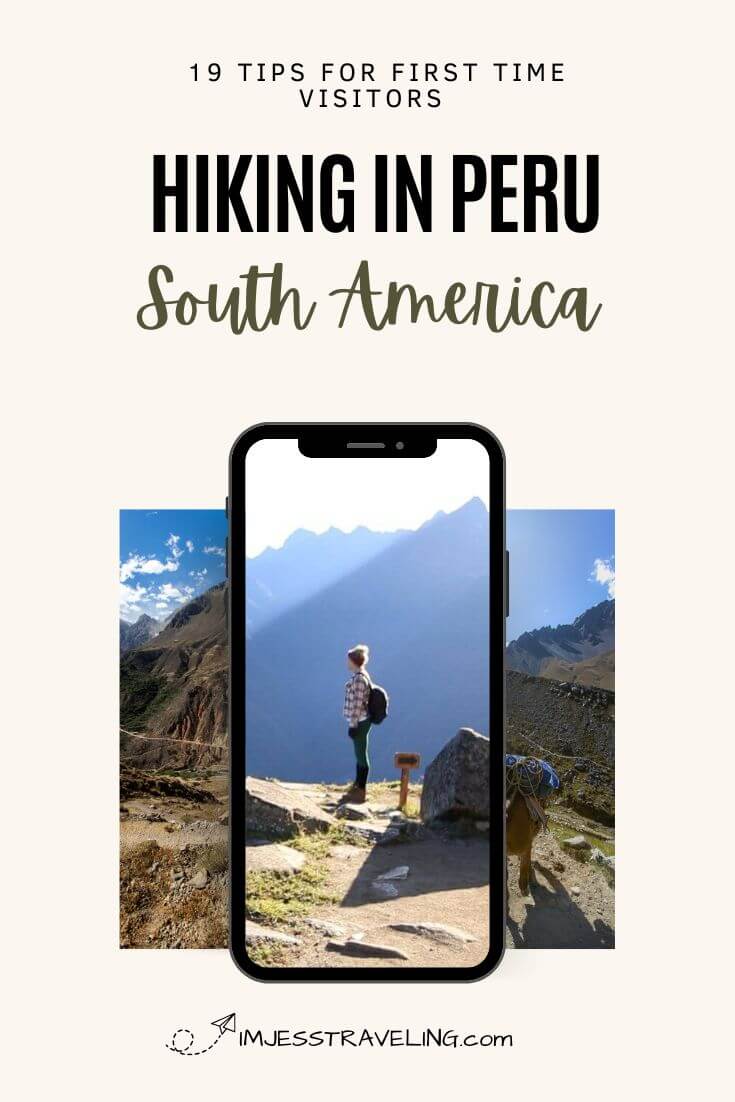
Planning on hiking in Peru? Get ready for an adventure of a lifetime. From the snow-capped peaks of the Andes to the ancient ruins tucked deep in the jungle, Peru is every hiker’s dream destination.
I spent 2 months traveling and hiking my way around through this vast South American country. Let me tell you, it did not disappoint. But before you hit the trails, there are a few things to know about hiking in Peru that will make your treks a lot smoother – and far more enjoyable.
Between the altitude, unpredictable weather, and challenging terrain, preparation is everything. Whether you’re tackling the famous Inca Trail to Machu Picchu, trekking through colorful mountains of Ausangate, or exploring the Cordillera Blanca near Huaraz, these Peru hiking tips will help you make the most of every epic step.
In this guide, we’ll go over all the hiking in Peru tips and things I think you should know before you hit the trails. Then at the end of the post, I’ll any relevant travel guides to help you plan and inspire your dream trip to Peru.
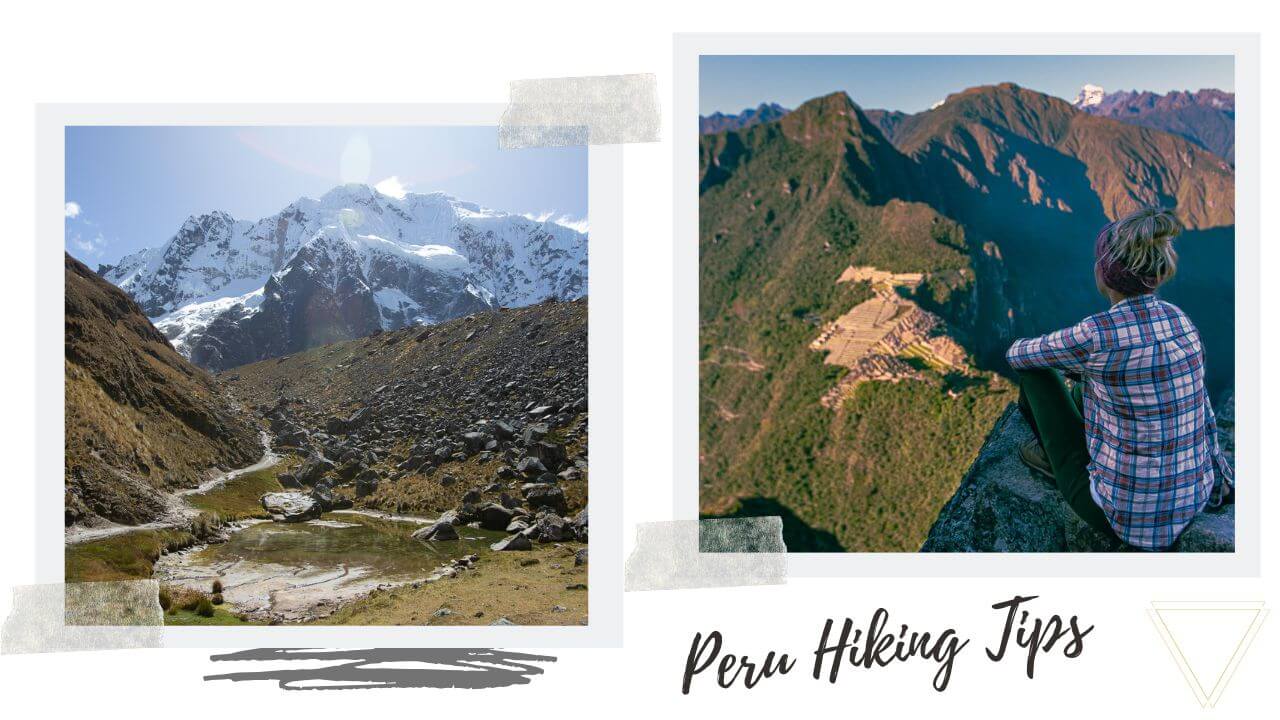
For full transparency, this post contains affiliate links, which means I may earn a small commission if you make a purchase - at no additional cost to you. I only recommend products and services that I genuinely use, trust, or believe will add value to your travels. Your support helps me continue creating free travel guides for you to enjoy.
Three Main Areas to Hike in Peru
As I mention earlier, Peru is a hiker’s paradise, and where you choose to trek will totally shape your experience. The country’s dramatic landscapes can be divided into three main hiking regions – each offering its own unique vibe, scenery, and level of challenge.

Cusco & the Sacred Valley
This is the classic hub for trekking in Peru – and where most people start their hiking adventures. Cusco is the gateway to the world-famous Inca Trail to Machu Picchu, but it’s also surrounded by dozens of incredible alternatives like Salkantay, Lares, and Choquequirao.
Expect a mix of high-altitude passes, ancient Inca ruins, and jaw- dropping views around every corner. If you want a blend of culture, history, and adventure – the Cusco region is where it’s at.

Huaraz & the Cordillera Blanca
For serious mountain lovers, this region is heaven on Earth. Huaraz is known as Peru’s trekking capital and sits at the base of the Cordillera Blanca, part of the Peruvian Andes range and home to the country’s tallest peaks.
Here you’ll find glacier-fed lakes like Laguna 69, the challenging Santa Cruz Trek, and endless alpine views. This region is also the gateway to the legendary Huayhuash Circuit, widely considered one of the most spectacular multi-day treks in the world.
The altitude is no joke, but the scenery? Unreal.
Arequipa & the Colca Canyon
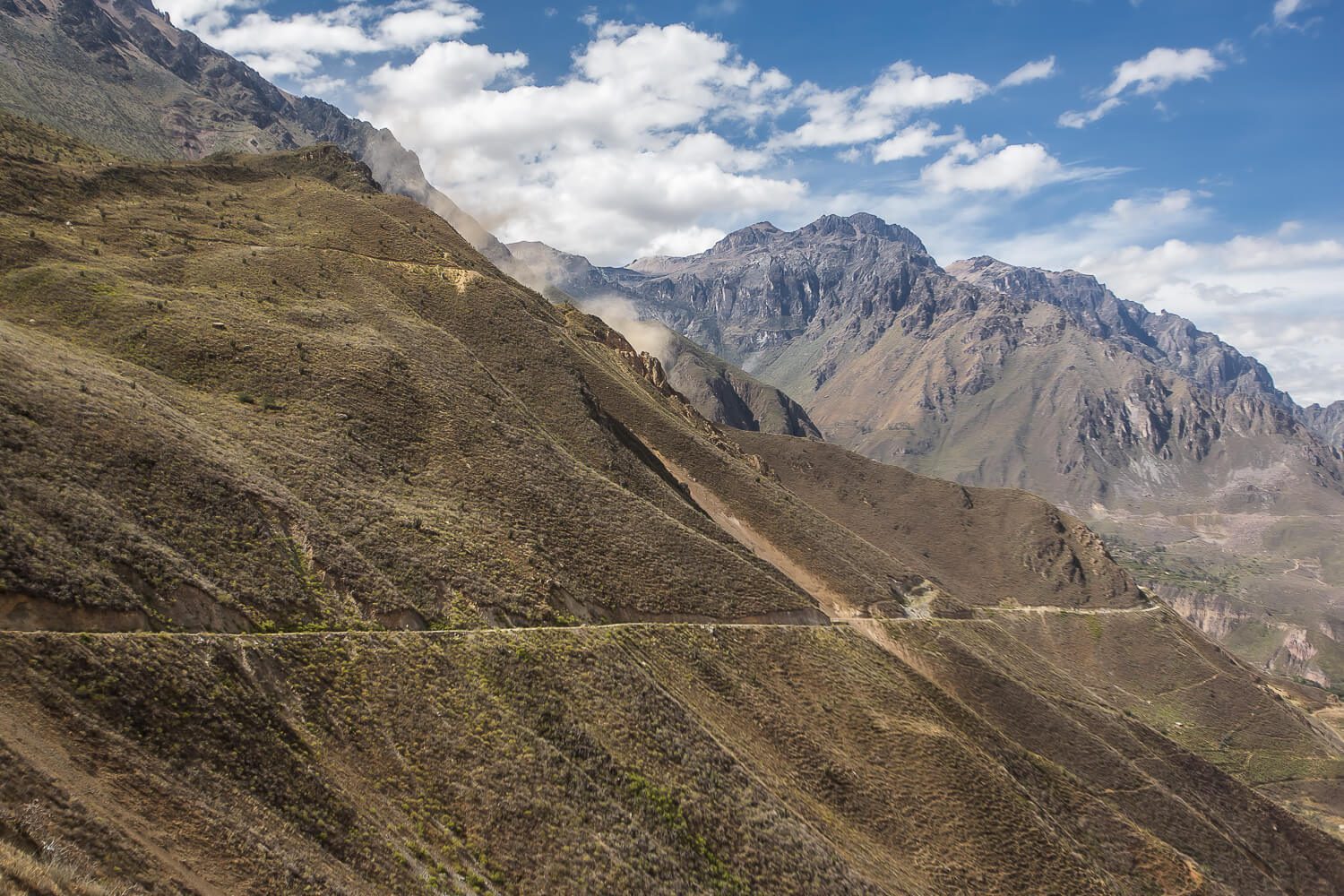
Down south, the landscapes shift from snow-capped peaks to deep desert canyons. The Colca Canyon, one of the deepest canyons in the world, offers epic multi-day treks through remote villages and dramatic terrain.
Plus you’ll even get a chance to spot majestic Andean condors soaring overhead. It’s a rugged, remote, and feels a bit off-the-beaten-path compared to Cusco or Huaraz.

Altitude Sickness is a Thing
If you’re heading to Peru to hike, you’re going to be spending a lot of time at high elevations – and that means altitude sickness is a real possibility. Many of Peru’s most famous trails start well above 9,000 feet (2,700 meters) and climb even higher, sometimes topping 15,000 feet (4,500 meters).
Even the fittest hikers can feel the effects – shortness of breath, headaches, dizziness, or nausea. The best thing you can do? Give your body time to acclimate. Spend at least 2-3 days in Cusco, Huaraz, or Arequipa before starting any major trek.

Take it slow, stay hydrated, and avoid alcohol the first couple of days. Locals swear by coca tea and leaves to help ease symptoms, and while it’s not a magic cure, it can definitely help.
If you start to feel really sick – don’t try to “push through” it. Descending to a lower elevation and resting is the quickest way to feel better. Respect the altitude, listen to your body, and you’ll have a much better time on the trail.

The Landscapes are Absolutely Stunning
No matter where you hike in Peru, one thing’s for sure – the landscapes will leave you speechless. The country is ridiculously diverse, offering everything from snow-dusted peaks in the Andes Mountains to lush jungles, glacial lakes, desert canyons, and rainbow-colored mountains that looks straight out of a dream.
One day you might be passing ancient Inca ruins surrounded by grazing alpacas, and the next you’re standing at the edge of a turquoise lagoon framed by towering ice-capped peaks. Every corner of Peru feels like another planet – and that’s what makes hiking in Peru so unforgettable.
It’s the kind of scenery that makes you stop mid-trail just to soak it all in (and maybe take 500 photos). Whether you’re chasing sunrise at Machu Picchu, summiting Salkantay Pass, or standing in awe beneath Nevado Huascarán, Peru’s landscapes redefine what “epic” really means.

Organized Tours vs Independent Hikes
One of the biggest decisions you’ll make before hiking in Peru is whether to join an organized tour or hike independently – and honestly, there’s no one-size fits all answer. It really depends on your comfort level, budget, and the type of experience you want.
Organized tours are ideal if you want everything taken care of – permits, porters, meals, tents, and transportation. For treks like the Inca Trail, a guided tour isn’t just convenient – it’s required.
You’ll also get insight from local guides, make new hiking buddies, and have the peace of mind that comes with expert support (especially at high altitude). I can speak from experience that carrying all your own gear at high elevation is brutal!

Independent hikes, on the other hand, offer more freedom and flexibility. You can go at your own pace, choose your own campsites (or accommodations), and spend as long as you want soaking in those mountain views.
Treks like Salkantay, Choquequirao, and Santa Cruz can all be done without a guide if you’re experienced, properly prepared, and have solid navigation skills.
If it’s your first time hiking in Peru, I’d recommend a guided trek to start – then tackle an independent one once you’ve gotten a feel for the terrain and altitude. Either way, you’re in for an unforgettable adventure.

There are Multi-Day Treks to Day Hikes
One of the best things about hiking in Peru is that there’s something for everyone – from quick, scenic day hikes to bucket-list multi-day expeditions. Whether you have a few hours or an entire week, you’ll find trails that fit your schedule and skill level.
If you’re short on time or just easing into the altitude, there are amazing day hikes near Cusco, Huaraz, and Arequipa. Trails like Laguna 69, Rainbow Mountain, or Humantay Lake can all be done in a single day – though don’t underestimate their difficulty, especially with the elevation.

For those craving a deeper adventure, multi-day treks are where Peru really shines. The Inca Trail is the most famous but alternatives like Salkantay, offer equally stunning views with fewer crowds. These trails take you through remote villages, over high mountain passes, and into landscapes that feel untouched by time.
No matter which route you choose, hiking in Peru rewards you with a mix of breathtaking nature, rich culture, and a healthy does of adventure. Just remember – every step is apart of the experience.

Hiking Peru Isn’t Always Free
While Peru is an incredible destination for adventure loves, it’s worth knowing that many hikes in Peru aren’t completely free. Depending on the trail, you may need to pay entrance fees, community tolls, or conservation charges – even for routes that aren’t part of national parks.
For example, treks like Rainbow Mountain, Humantay Lake, and Colca Canyon all have small entrance fees that help support local communities and maintain the trails.
Multi-day treks may also require camping fees or permits (which I’ll talk about in the next section) if they pass through protected areas. These fees are inexpensive (a few soles here and there), and it’s smart to carry cash in small bills, since remote checkpoints don’t take cards.
If you’re hiking with a tour, these costs are often built into the price. But if you’re going independently, factor in a little extra for fees – it’s a small price to pay to help preserve the trails and support the people who live in these beautiful regions.
Get your Permits in Advance
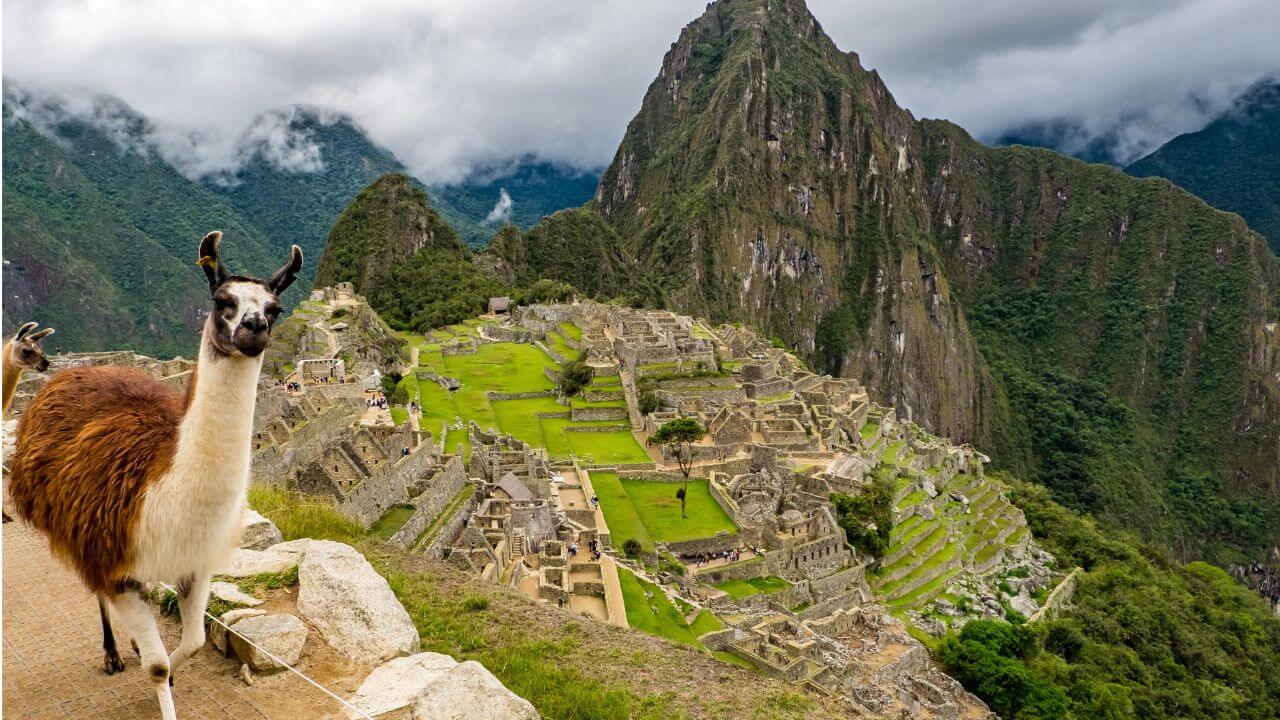
If there’s one thing to know before hiking in Peru, it’s that some treks require advance permits – and they can sell out fast. The most famous example is the Inca Trail permits, which has a strict limit of 500 people (including guides and porters).
These permits and tickets to Machu Picchu can book up months in advance, especially during the dry seasons (May to September). If the Inca Trail is on your bucket list, plan ahead and reserve as early as possible.
Other trails, like the Salkantay trek, Choquequirao trek, and Ausangate trek, don’t require official permits, but do still have the entrance fees or local registrations at certain checkpoints or communities that I mentioned in the previous section.
Always bring some soles (cash) for these fees. I was able to pay for the Salkantay fees on the cab ride to Soryampampa (the village at the base of Lake Humantay) and obtained a permit for Colca Canyon the day before starting the Colca Canyon trek.
If you’re booking a guided trek, your tour operator will typically handle the permits for you. But if you’re going independently, make sure to double-check the requirements before you show up at the trailhead. The last thing you want is to arrive ready to hike…only to realize you can’t get on the trail.
Pack Smart & Pack Light
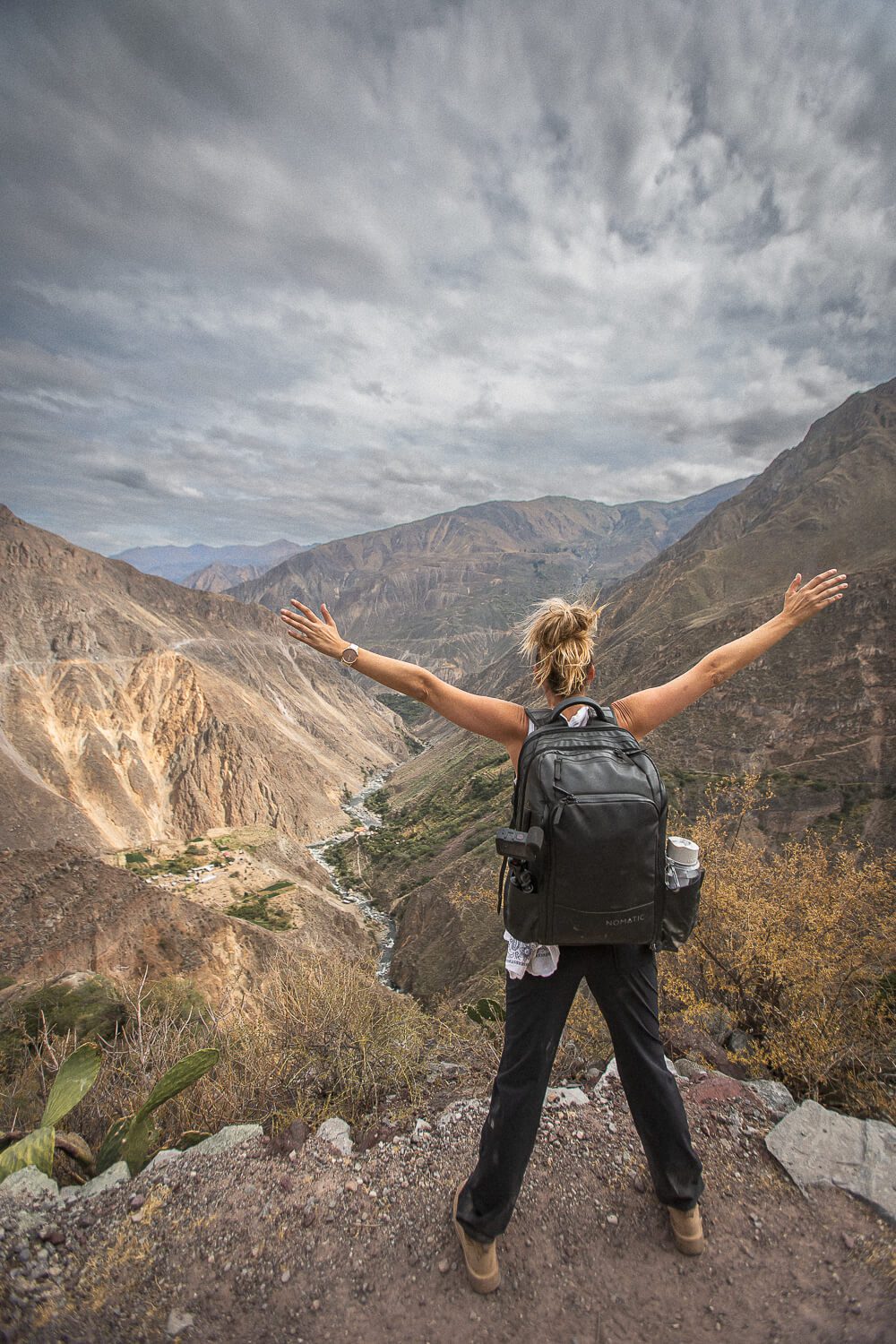
When it comes hiking in Peru, the golden rule is simple: the lighter your pack, the happier you’ll be. Every ounce counts, especially when you’re climbing high passes at altitude. Unfortunately, I had to learn this the hard way.
If you’re on a guided trek, porters or pack animals will carry the bulk of your gear, but you’ll still need to manage your daypack with essentials like water, layers, snacks, and your camera.
For independent trekkers, it’s even more important to pack strategically – think multi-use clothing, quick-dry fabrics, and compact gear. A few must-haves include:
- A solid pair of broken-in Hiking Boots (you’ll thank me later)
- A lightweight down jacket – the Andes get chilly, even in dry season
- Rain gear – because mountain weather changes fast
- A reusable water bootle or filter system
- Plenty of snacks for energy on the trail (although there are usually places to buy snacks on the trail)
Leave the “just in case” items behind. You’ll appreciate every pound you don’t bring when you’re catching your breath at 14,000 feet.
Proper Footwear is a Must When Hiking in Peru
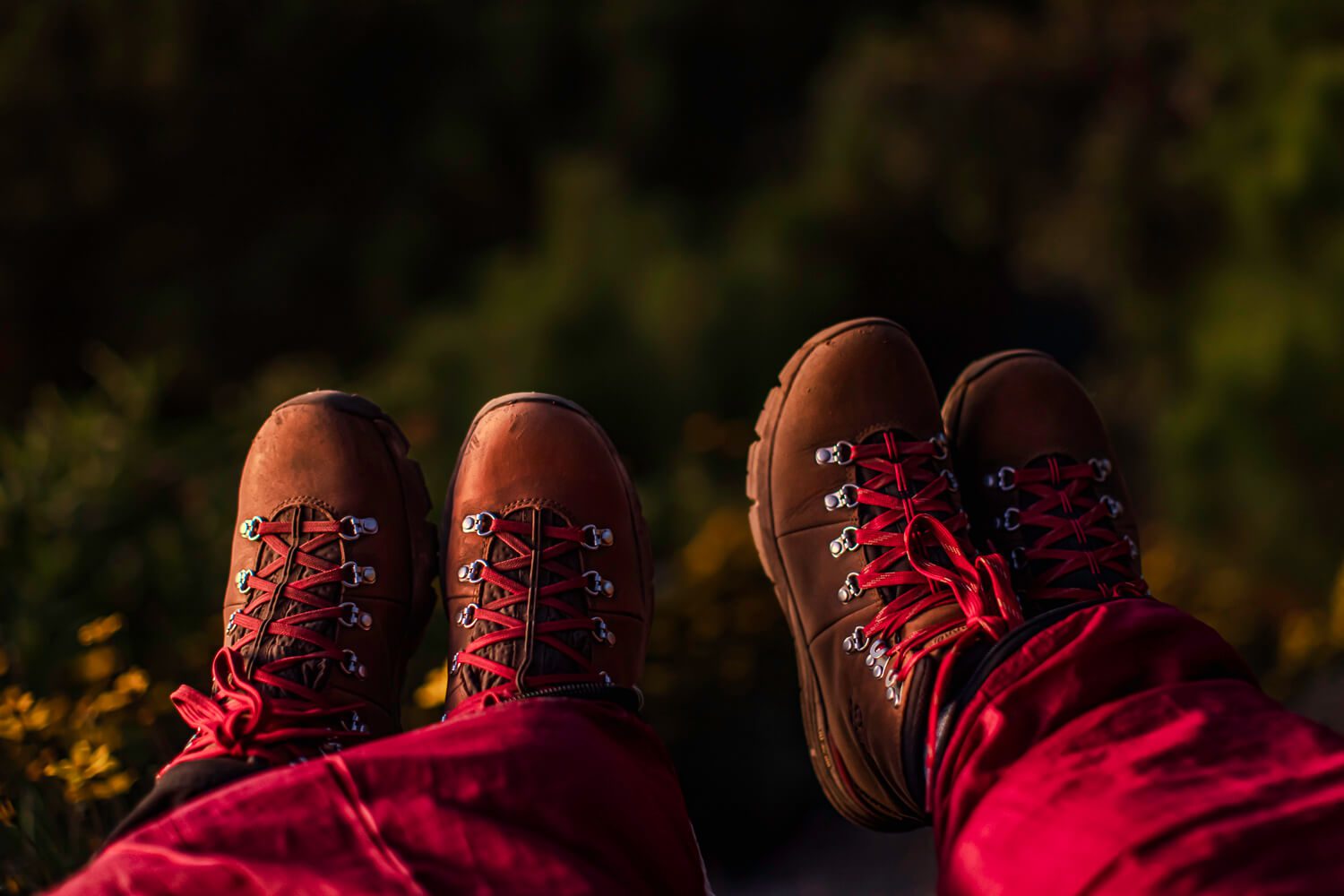
If there’s one piece of gear you can’t skimp on when hiking in Peru, it’s your shoes. The terrain here is no joke – think steep climbs, rocky switchbacks, muddy valleys, and uneven stone paths that can get slick when it rains.
A sturdy, broken-in pair of Hiking Boots with solid ankle support is absolutely essential. Don’t bring brand-new boots on your trip – that’s a fast track to blisters and misery.
Also, pack good hiking socks (merino wool is gold) and a few blister patches like second skin just in case. Trust me – your feet will thank you after those long Andean climbs.


Hiking Poles are a Good Idea
If you’ve never used hiking poles before, Peru might just be the place that converts you. I know that’s what happened to me. Between the steep ascents, rocky descents, and high-altitude passes, trekking poles cab be absolute lifesavers – especially on those multi-day treks.
Hiking poles help take the pressure off your knees during long downhill sections, improve balance on uneven terrain, and give you that extra boost on uphill climbs when the altitude starts to hit. Plus, they can be a big help crossing streams or slippery stone paths.
I honestly don’t think I would have been able to finish the Salkantay trek if it wasn’t for the hiking poles we bought in Cusco the day before we started the trek. If you’re flying in, you can either bring collapsible trekking poles in your checked bag or rent or buy a pair in Cusco or Huaraz for just a few dollars.

Know What Season You Choose to Hike in Peru
Before you book that flight or plan your trek, make sure you understand Peru’s two distinct seasons – because they’ll completely shape your hiking experience.
Peru’s dry season runs roughly from May to September, and it’s by far the most popular time to hike in Peru. You’ll get clear skies, crisp mornings, and stunning mountain views – perfect for photography and multi-day treks. The downside? Expect more crowds on popular routes like the Inca Trail and higher prices during peak months of June to August.
The rainy season, from October to April, brings rain, fog, and muddy trails – but also fewer people and greener landscapes. Some treks, like the Inca Trail, actually close in February for maintenance, but others like Salkantay are still open and can be incredibly beautiful if you don’t mind getting a little wet.
If you’re flexible, shoulder months like April and October can offer the best of both worlds – fewer tourists, mild temps, and a nice balance between rain and sun. It’s the best time in my opinion.
Whatever season you choose, just pack accordingly and be ready for the Andes to surprise you – sometimes you get all four seasons in one day! Which brings us to our next hiking in Peru tip.

Expect Four Seasons in a Day
If there’s one thing consistent about the weather in Peru’s mountains, it’s that it’s completely inconsistent. You can wake up to bright sunshine, get pelted by hail at lunch, hike through a cloud forest in the afternoon, and fall asleep under a sky full of stars – in a single day.
That’s why layering is key. Mornings and evenings can be freezing, especially above 12,000 feet, but once the sun hits, you’ll be hiking in a T-shirt. Always carry a light rain jacket, warm fleece or down layer, and something wind-resistant for those high passes.
Don’t be fooled by a clear morning sky – mountain weather changes fast. Being prepared means you can keep hiking comfortable no matter what the Andes throw at you. It’s part of the adventure, and honestly, it makes those moments of sunshine feel even more magical.
Sun Protection is Non-Negotiable
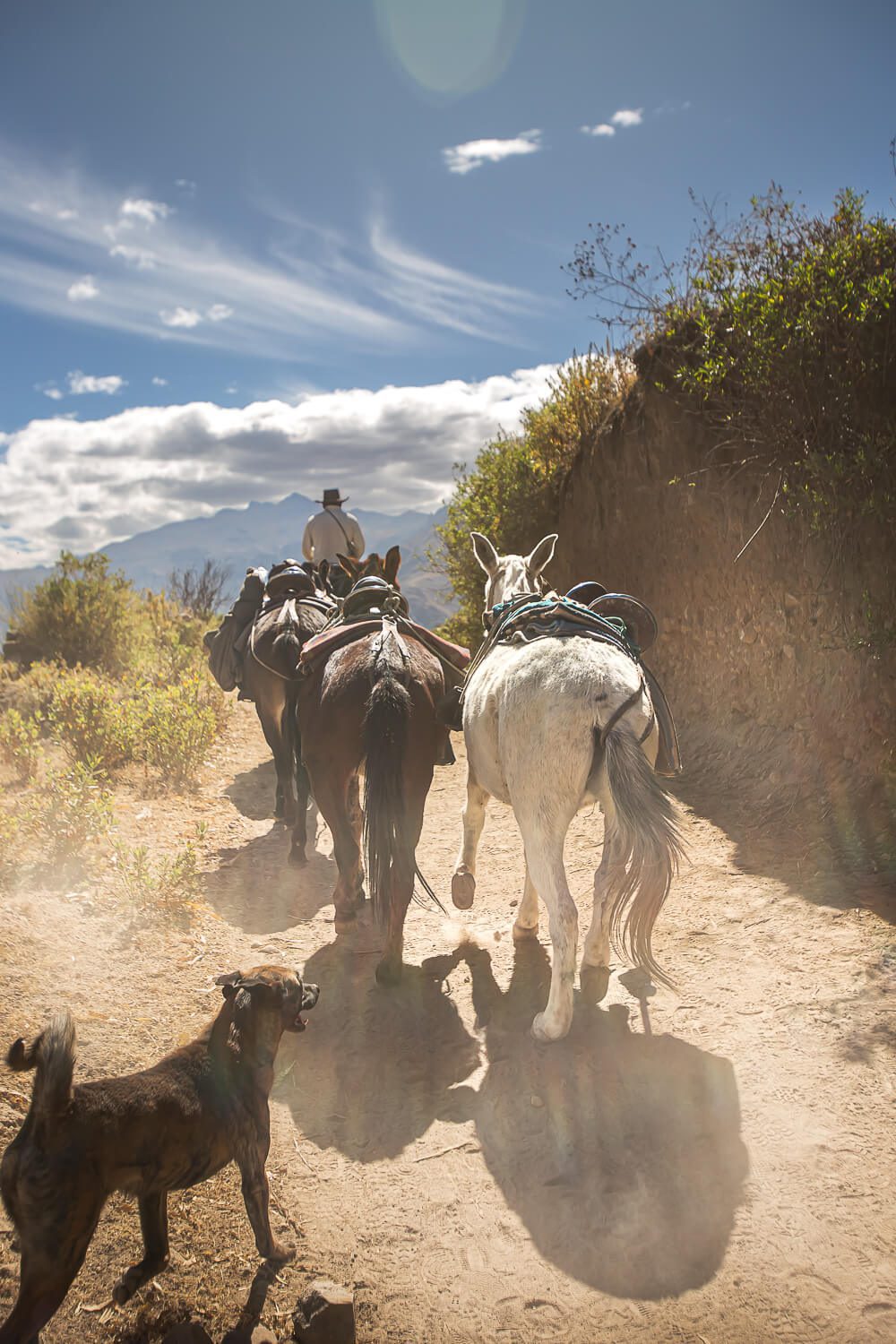
At high altitude, the sun in Peru hits different. Even on cloudy or cool days, UV exposure is intense, and you can burn faster than you’d ever expect. Whether you’re hiking through the Sacred Valley or up near 16,000 feet in the Andes, sun protection isn’t optional – it’s essential.
Pack a high-SPF sunscreen (and reapply often), a wide-brimmed hat is always nice, and UV-blocking sunglasses. Long sleeve sun shirts and lightweight buffs also go a long way toward keeping your skin protected.
And don’t forget your lips – a lip balm with SPF will save you from painfully cracked, sunburned lips after a long day on the trail. You’ll thank yourself later when you’re still glowing from the views, not from the sunburn.

Don’t Underestimate the Logistics
Getting to Peru’s best hiking trails isn’t always as simple as showing up at a trailhead with your boots on. Many treks start in remote areas, hours away from the nearest town, and public transportation can be unpredictable- especially in the Andes.
Before you set out, plan your logistics carefully. Some trailheads (like those for Salkantay or Lares trek) require early-morning bus rides or private transfers. Others, like the Santa Cruz Trek may involve multiple colectivos or even hiring a driver to reach smaller villages.
If you’re trekking independently, research routes in advance, check transportation schedules, and always have a backup plan – buses and shared taxis don’t always run on time.
Organized treks make things much easier. This way you can focus on the hike instead of figured out how to get there (or back). Either way, a little extra planning goes a long way toward keeping your adventure stress-free.

Don’t Get Lost – Download Maps.Me
Peru’s hiking trails are beautiful – but not always well-marked. It’s surprisingly easy to take a wrong turn, especially on less-traveled routes. Cell service disappears quickly once you’re out in the mountains, so having an offline map app is absolutely essential.
Maps.Me is a favorite among trekkers in Peru because it works completely offline once you download the region. The trails, campsites, and even small villages are usually marked with surprising accuracy. Other great options are AllTrails(with offline maps in the Pro version) and Gaia GPS if you prefer topographic detail.
Before you set off, download your route, surrounding areas, and any alternate exits – just in case plans change. It only takes a few minutes, but it could save you hours of backtracking (or worse). The Andes are wild and remote – go prepared, not just adventurous.

Respect Local Communities
Many of Peru’s best hikes pass through small Andean villages where people have lived for generations – herding alpacas, farming potatoes, and maintaining traditions that go back centuries. As hikers, we’re guests in their home, so it’s important to travel respectfully and leave a positive impact.
Always ask before taking photos of people, their homes, or their animals. A friendly smile and a “Puedo tomar una foto?” go a long way. Support local communities by buying snacks, staying in homesteads, or hiring local guides and porters whenever you can – it keeps money in the region and helps preserve these beautiful trails.
Be mindful of customs, too. Dress modestly in villages, avoid wasting water, and respect sacred sites and offerings along the trail. A little cultural sensitivity goes a long way – and it makes your hiking experience in Peru even more meaningful and authentic.

Parts Will Be Downright Brutal
Let’s be real – hiking in Peru isn’t always a walk in the park. The trails are steep, the altitude is intense, and the conditions can be tough. There will be moments when you’re gasping for air, questioning your life choices, and wondering if that next ridge will ever end. Spoiler: it usually doesn’t…at least not as quickly as you’d like.
But that’s also what makes trekking in Peru so rewarding. Every tough climb leads to views that feel completely surreal – jagged peaks, glacier-fed lakes, and ancient ruins that make every step worth it. The harder it gets, the more epic the payoff.
Go in knowing that parts will be challenging, both physically and mentally. Train beforehand (unlike me), pace yourself on the trail, and remember – the Andes demand respect, but they’ll give you memories that last a lifetime.

Hiking in Peru is Mandatory
Okay, maybe not technically mandatory – but if you’re visiting Peru and don’t go hiking, you’re seriously missing out. This country was made for adventure. Whether it’s a half-day hike or a multi-day trek, hiking is hands down one of the best ways to experience Peru’s raw, natural beauty.
Some of the most iconic sites in the country – like Machu Picchu, Rainbow Mountain, or Laguna 69 – are only reachable on foot. Trekking allows you to slow down, soak in the landscapes, and connect with the local culture in a way that no bus ride or train journey ever could.
If you came for the history, the culture, and the views, trust me – hiking in Peru is practically a rite of passage. If you didn’t go hiking in Peru, did you even visit the country?


Leave No Trace
Lastly, always follow the Leave No Trace principles. Peru’s landscapes are jaw-dropping – and keeping them that way is everyone’s responsibility. That means packing out all your trash, including toilet paper and snack wrappers, and never leaving anything behind on the trail.
Avoid using single-use plastics when possible, and refill a reusable water bottle or filtration system instead of buying bottled water. Stay on marked paths to prevent erosion and damage to fragile ecosystems, and never disturb wildlife or remove natural objects as souvenirs.
The trails in Peru are wild, sacred, and often sustained by local communities. Treat them with the respect they deserve so future hikers can experience the same untouched magic. The best souvenir you can leave behind? Absolutely nothing.
Peru Hikes Travel Guides
Planning your Peru adventure? Check out the detailed guides below for insider tips, trail stats, and must-know info before you hit the trail. These guides will help you plan every step of your Peruvian hiking journey.
- Salkantay Trek – Often referred to as the alternative trek to Machu PIcchu, the Salkantay Trek is 46 miles in completion that takes you through rugged mountain terrain and connects Cusco to the ruins of Machu Picchu.
- What to Pack for the Salkantay Trek – Don’t start hiking without these essentials.
- 22 Salkantay Trek Tips – Everything you need to know before you go.
- Humantay Lake – Humantay Lake is a stunning emerald green lake that sits at 14,000 feet and is one of the best day trips from Cusco.
- Colca Canyon– Offers trekkers a chance to spot soaring condors, stay in an oasis on the canyon floor, witness some of Peru’s most beautiful landscapes, bathe in thermal hot springs and hike through desert scenery.
- Everything you Need to Know Before Hiking Colca Canyon – Essential tips and things to know before you go.
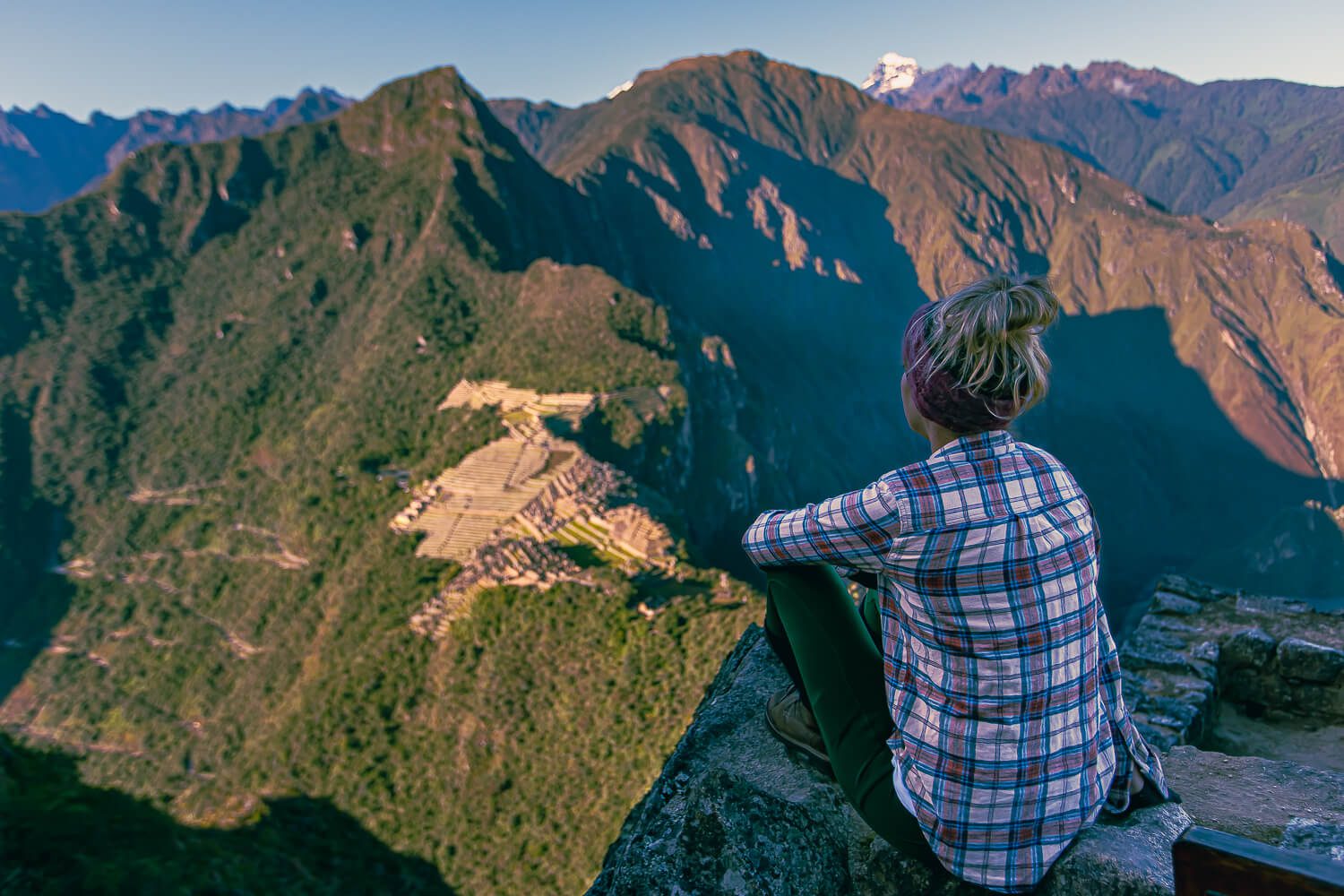
- Huayna Picchu – Climbing Huayna Picchu for a bird’s eye view over Machu Picchu.
- 16 Best Treks and Hikes in Peru – From day hikes to multi-day treks, you’ll soon be adding these to your bucket list.
Peru Travel Vlogs
Would you rather see what hiking in Peru is really like? Check out our Peru hiking vlogs above! From trekking the Salkantay independently to descending one of the deepest canyons in the world, you’ll get a real feel fro what these adventures are all about.
And if you enjoy the content, please subscribe to our channel or give the video a thumbs up 👍 – it doesn’t cost you anything, but it really helps us keep creating free, helpful travel guides and vlogs for you to enjoy.
🎥 Watch our Peru Series on YouTube


Final Thoughts on Hiking in Peru
Hiking in Peru isn’t just an adventure – it’s an experience that stays with you long after you’ve left the mountains. The altitude will test you, the climbs will challenge you, and the landscapes will absolutely take your breath away (literally and figuratively).
Every step feels earned. Hiking in Peru reminds you just how vast, wild, and beautiful this planet really is. So lace up your boots, pack smart, and go in with an open heart – because the trails of Peru aren’t just places to hike…they’re places to feel.
More Peru Travel Guides ↓
📍 Planning a trip to Peru? Check out these guides to further plan your travels around this magical South American country.
Enjoy this Post?!?! Pin in for Later ↓