
Whale watching in Maui is one of the most unforgettable experiences you can have on the island. Every winter, thousands of humpback whales migrate from Alaska to Hawaiʻi’s warm waters to mate, give birth and care for their calves – and Maui offers a front-row seat to the action.
Over the years, I’ve been on dozens of whale watching tours around Maui. I’ve cruised aboard spacious catamarans, bounced across the water on smaller rafts and departed from Lahaina Harbor, Kāʻanapali Beach and other locations around the island.
In this guide, I’ll break down the best whale watching tours in Maui, when to visit, which departure point to choose and whether a catamaran or smaller raft is right for you. I’ll also share the best places to see whales from shore and my practical tips for making the most of your experience.

For full transparency, this post contains affiliate links, which means I may earn a small commission if you make a purchase - at no additional cost to you. I only recommend products and services that I genuinely use, trust, or believe will add value to your travels. Your support helps me continue creating free travel guides for you to enjoy.
Maui Whale Watching at a Glance
Whale watching is only one of the best things to do in Maui, but it’s easily one of the most memorable if you visit during the winter.
- 🐋 Whale Season: November through May
- ⭐ Peak Season: Mid-January through March
- 📅 Best Month: February
- ⏱️ Average Tour Length: About two hours
- 🌊 Best Time of Day: Morning, when conditions are typically calmer
- 📍 Main Departure Points: Kāʻanapali Beach, Lahaina Harbor and Māʻalaea Harbor
- 👀 Best Shore Viewing: West and South Maui
- 💡 Best Advice: Schedule your tour early in your trip in case weather requires rescheduling

When Is Whale Watching Season in Maui?
Whale-watching season in Maui generally runs from November through May, although most dedicated whale watching tours operate from December through April.
The first humpback whales usually begin arriving in Maui’s waters in the fall after migrating from Alaska. Sightings become more frequent throughout December before the season peaks from mid-January through March.
February is typically considered the best month for whale watching in Maui because this is when some of the highest concentrations of humpbacks are found around the island. During peak season, you’ll see whales breaching, slapping their tails, competing for mates and caring for their calves.
Whales can still be spotted in April and occasionally into May, but sightings become less predictable as they begin their long journey back to Alaska. If whale watching is a priority for your trip, I recommend visiting between January and March for the best chance of seeing plenty of activity.
👉 If you’re still choosing your travel dates, read my guide to the best time to visit Maui for a month-by-month look at weather, crowds and seasonal activities.
🐋 Planning a Maui whale watch? Grab my free whale-watching cheat sheet with the best months, departure points, shore-viewing locations and everything you need to bring.

Best Whale Watching Tours in Maui
After joining dozens of whale watches around Maui, these are some of my favorite tours. The best one for you will depend on where you’re staying, your preferred boat style and whether you want a leisurely sail or a more adventurous ride.
1. Sea Maui Whale Watch
- 🐋 Best For: Catamaran whale watching from Kāʻanapali
- 📍 Departure Point: Kāʻanapali Beach
- ⏱️ Duration: Two hours
- 👨👩👧👦 Ages: All ages
- 🍹 Included: Open bar and nonalcoholic beverages
- 🎧 Bonus: Onboard hydrophone
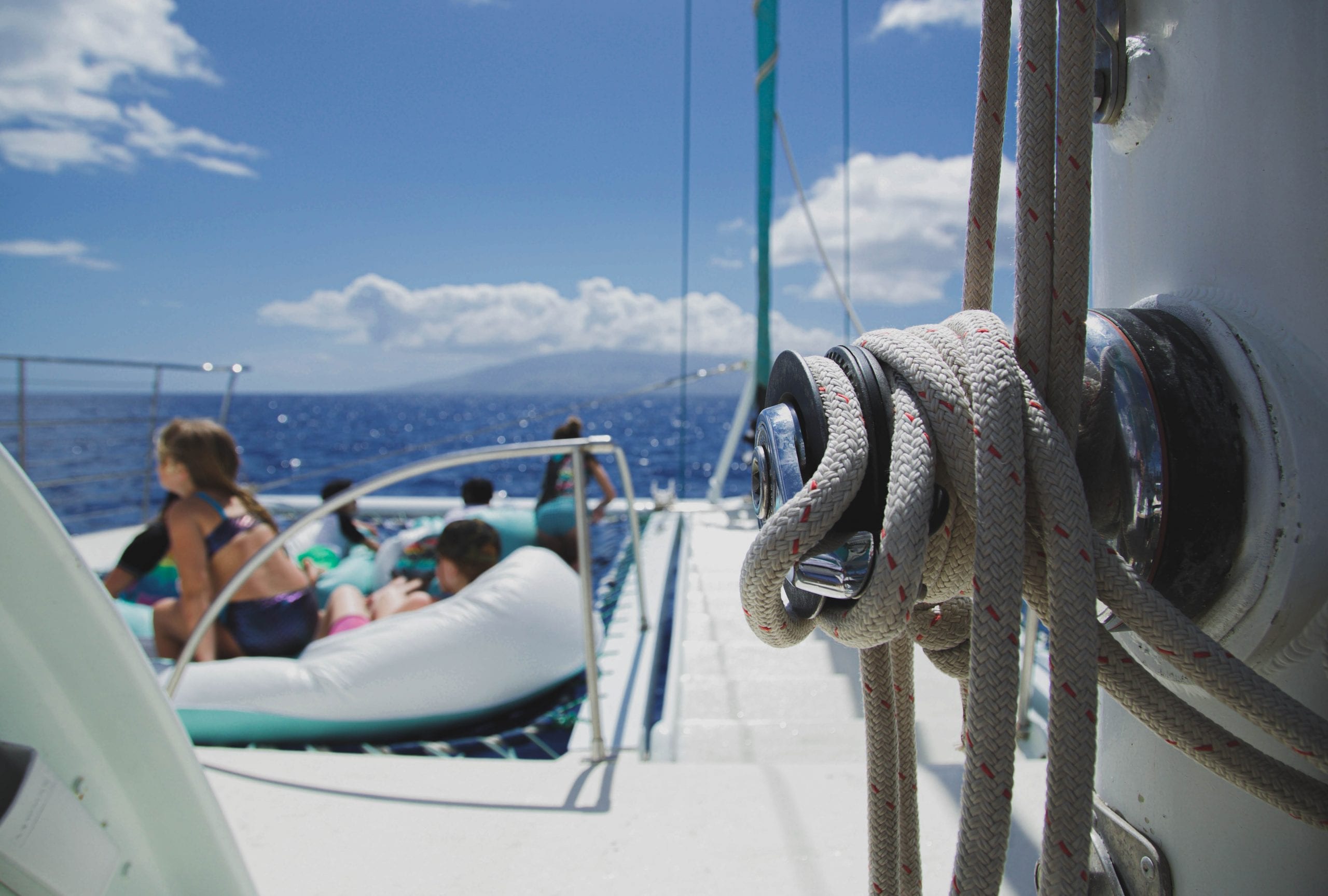
Sea Maui is one of my favorite companies for whale watching in Maui. Tours leave directly from Kāʻanapali Beach aboard an open-air catamaran, making this an especially convenient choice if you’re staying in West Maui.
There is plenty of room to move around when whales appear on different sides of the boat. You can chat with the naturalists, listen to whale songs through the onboard hydrophone or enjoy a cocktail as you cruise along the Kāʻanapali coast.
Sea Maui uses beach loading rather than a traditional harbor. You’ll remove your shoes and walk through shallow water to board, so this tour may not be suitable for travelers with mobility limitations.
🐋 Why I Recommend It: Sea Maui is fun, easygoing and convenient for couples, groups and families staying in West Maui.
2. Teralani Whale Watch
- 🐋 Best For: Upscale catamaran sailing from Kāʻanapali
- 📍 Departure Point: Kaanapali Beach
- ⏱️ Duration: Two hours
- ⛵ Boat Type: Luxury sailing catamaran
- 🎟️ Tour Options: Premium, classic and discounted whale watches
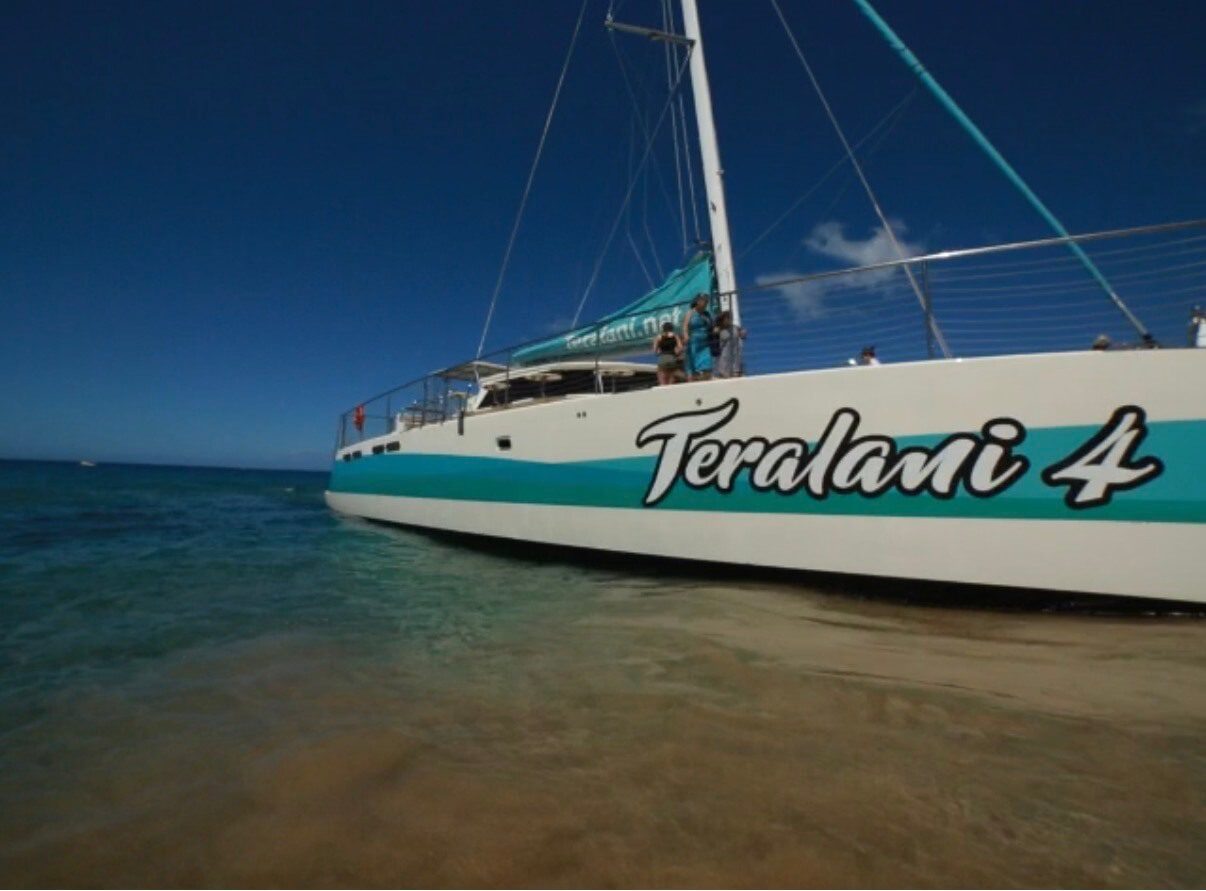
Teralani Sailing Adventures operates modern sailing catamarans with open decks, comfortable seating and plenty of space to watch the action. The atmosphere is laid-back but still feels a little more upscale.
The knowledgeable crew shares information about Maui’s humpback whales without making the tour feel overly structured. Teralani offers premium, classic and discounted whale watches at different price points.
🐋 Why I Recommend It: Teralani is one of my favorite choices for a leisurely whale watch. It feels easygoing while still offering excellent comfort and service.
3. Gemini Whale Watch
- 🐋 Best For: A relaxed and spacious sailing experience
- 📍 Departure Point: Kāʻanapali Beach near the Westin Maui
- ⏱️ Duration: Two hours
- ⛵ Boat Type: 64-foot sailing catamaran
- 🎧 Bonus: Marine naturalists and an onboard hydrophone
- 🍹 Included: Food and a complimentary bar
Gemini Sailing is another longtime favorite for whale watching in Maui. The boat has seating in both the sun and shade, plus an interior cabin when you want a break from the elements.
Morning and afternoon whale watches are available during the season. Both include a professional marine naturalist and an onboard hydrophone, allowing you to hear whale songs beneath the surface. Food and drinks are also included.
🐋 Why I Recommend It: Gemini is a good fit if you want a laid-back sail with plenty of seating, food and drinks included.
4. Aliʻi Nui Whale Watch
- 🐋 Best For: A premium catamaran whale watch from Māʻalaea
- 📍 Departure Point: Māʻalaea Harbor
- ⏱️ Duration: Two hours
- ⛵ Boat Type: 65-foot luxury catamaran
- 👨👩👧👦 Ages: All ages
- 🍹 Included: Light bites and an open bar
- 🎧 Bonus: Marine naturalist, hydrophone and onboard photographer
Aliʻi Nui departs from Māʻalaea Harbor aboard a 65-foot catamaran with panoramic viewing decks, shaded seating and multiple restrooms. Boarding from the harbor is easier than walking through the water at Kāʻanapali, which may appeal to families, older travelers and anyone with limited mobility.
Māʻalaea is also a convenient departure point if you’re staying in Kīhei or Wailea. During the tour, a certified marine naturalist explains the whales’ behavior while the hydrophone lets you hear their songs underwater.
Light bites and an open bar are included, and an onboard photographer captures moments from the trip. Aliʻi Nui offers morning and afternoon departures. Select morning tours also have an adults-only Top Deck upgrade with a smaller group, dedicated service and an elevated viewing area.
🐋 Why I Recommend It: Aliʻi Nui is a great choice for easy harbor boarding and extra onboard amenities, particularly if you’re staying in South Maui.
5. Pacific Whale Foundation Whale Watch
- 🐋 Best For: An educational and conservation-focused whale watch
- 📍 Departure Point: Māʻalaea Harbor
- ⏱️ Duration: Two hours
- 🎧 Included: Marine naturalists and an onboard hydrophone
- 👨👩👧👦 Family Feature: Junior Naturalist program
- ✅ Guarantee: See whales or join another qualifying whale watch for free
Pacific Whale Foundation is one of Maui’s best-known whale conservation organizations. Its tours are led by certified marine naturalists who explain the whales’ migration, behavior and importance to the Hawaiian Islands.
I’ve joined some of Pacific Whale Foundation’s smaller raft-style tours and loved the raw, adventurous feeling. Sitting closer to the water makes every breach, tail slap and whale blow seem even more dramatic. However, you’ll feel considerably more movement than you would aboard a large catamaran.
Pacific Whale Foundation offers different vessels and tour styles. Its classic whale watch currently leaves from Māʻalaea Harbor aboard a larger vessel and includes an underwater hydrophone, filtered water and a Junior Naturalist program for children.
Dedicated whale watches include a sighting guarantee, with another qualifying tour offered if you don’t see a whale. PacWhale Eco-Adventures is owned by Pacific Whale Foundation, and tour profits support its research, education and ocean-conservation work.
🐋 Why I Recommend It: Choose Pacific Whale Foundation if learning about humpbacks and supporting whale conservation are important to you.
Where Do Maui Whale Watching Tours Depart From?
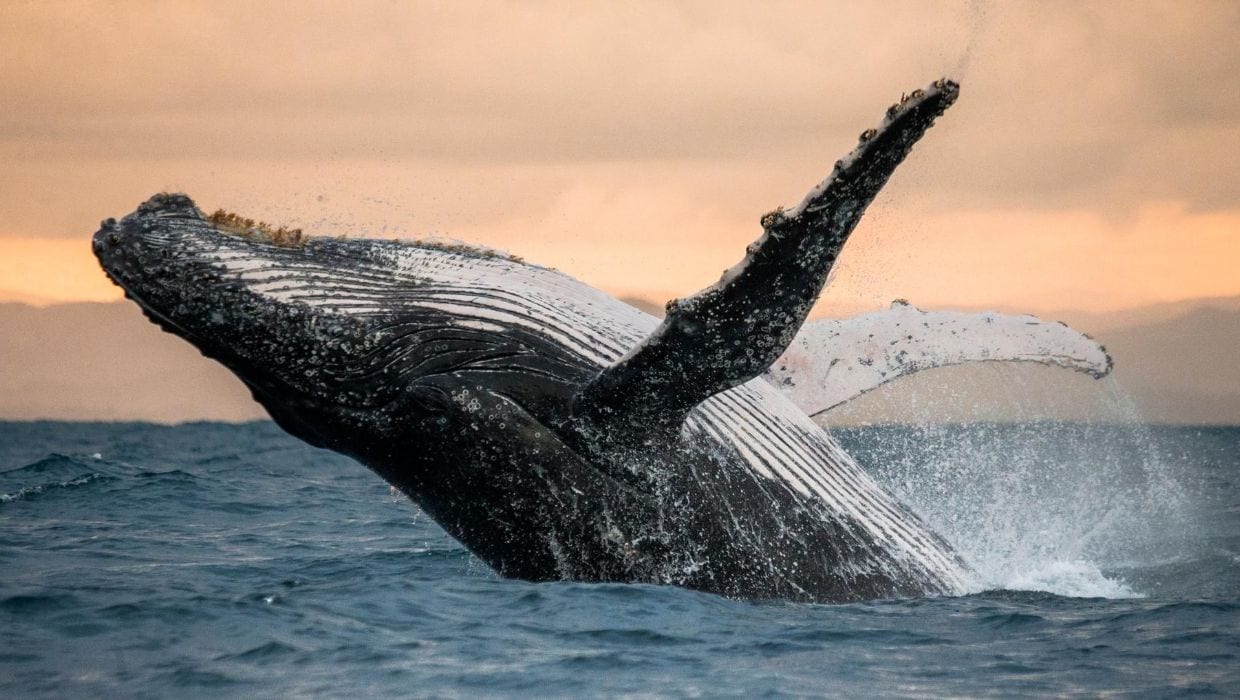
Most whale-watching tours in Maui depart from Kāʻanapali Beach, Lahaina Harbor or Māʻalaea Harbor. All three put you near productive whale-watching waters, so the best choice usually comes down to where you’re staying and how you prefer to board the boat.
👉 If you’re still deciding where to stay, my West Maui vs. South Maui guide compares the beaches, activities and atmosphere on each side of the island.
Kāʻanapali Beach
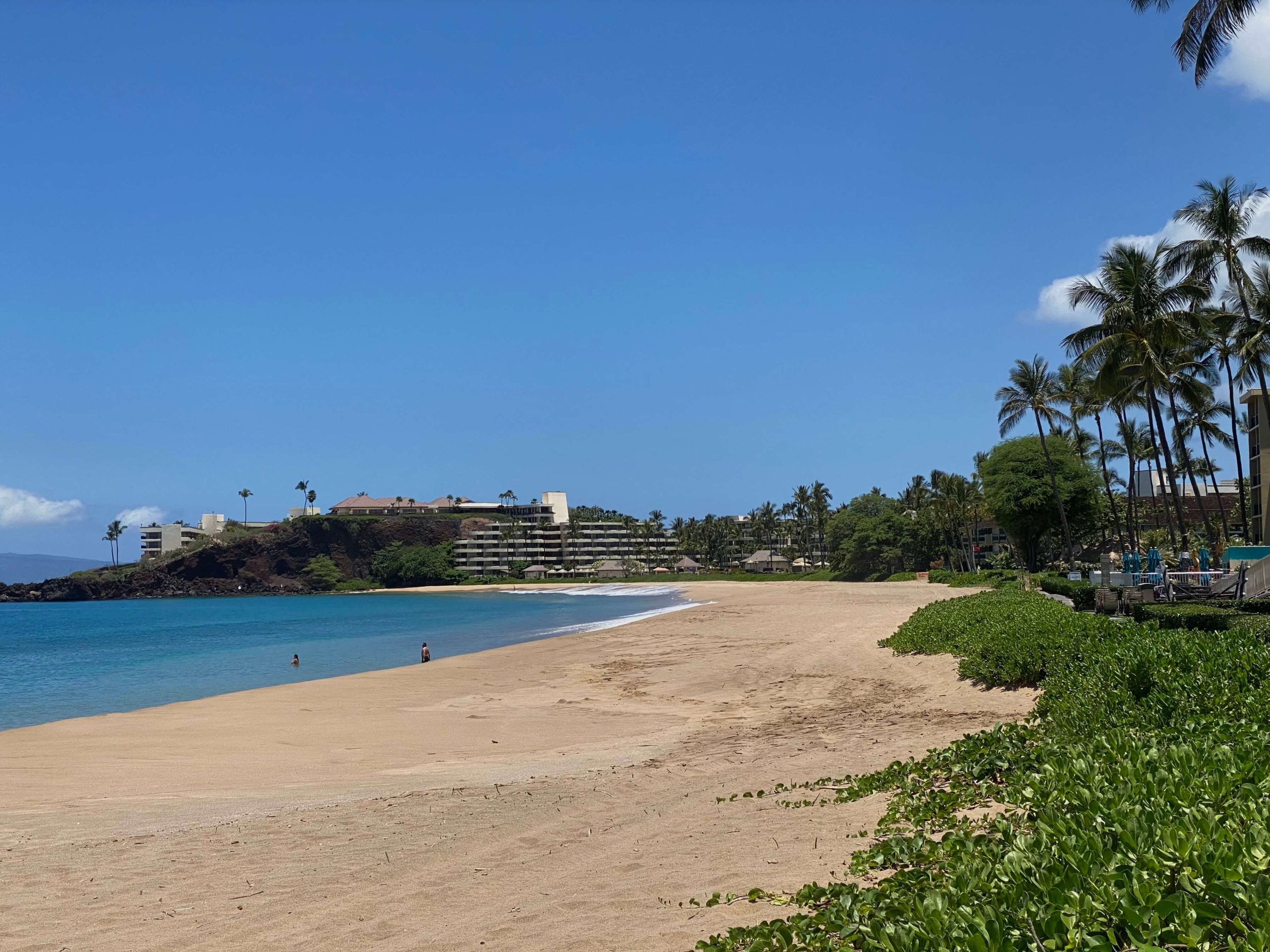
Kāʻanapali is my favorite departure point for travelers staying in West Maui. You can walk to the check-in location from many nearby resorts and avoid driving to another part of the island.
The tradeoff is beach loading. Rather than stepping onto the boat from a dock, you’ll remove your shoes and walk through shallow water. It’s part of the fun, but it may not work for anyone with limited mobility.
Sea Maui, Teralani and Gemini all offer whale watches from Kāʻanapali Beach.
Lahaina Harbor
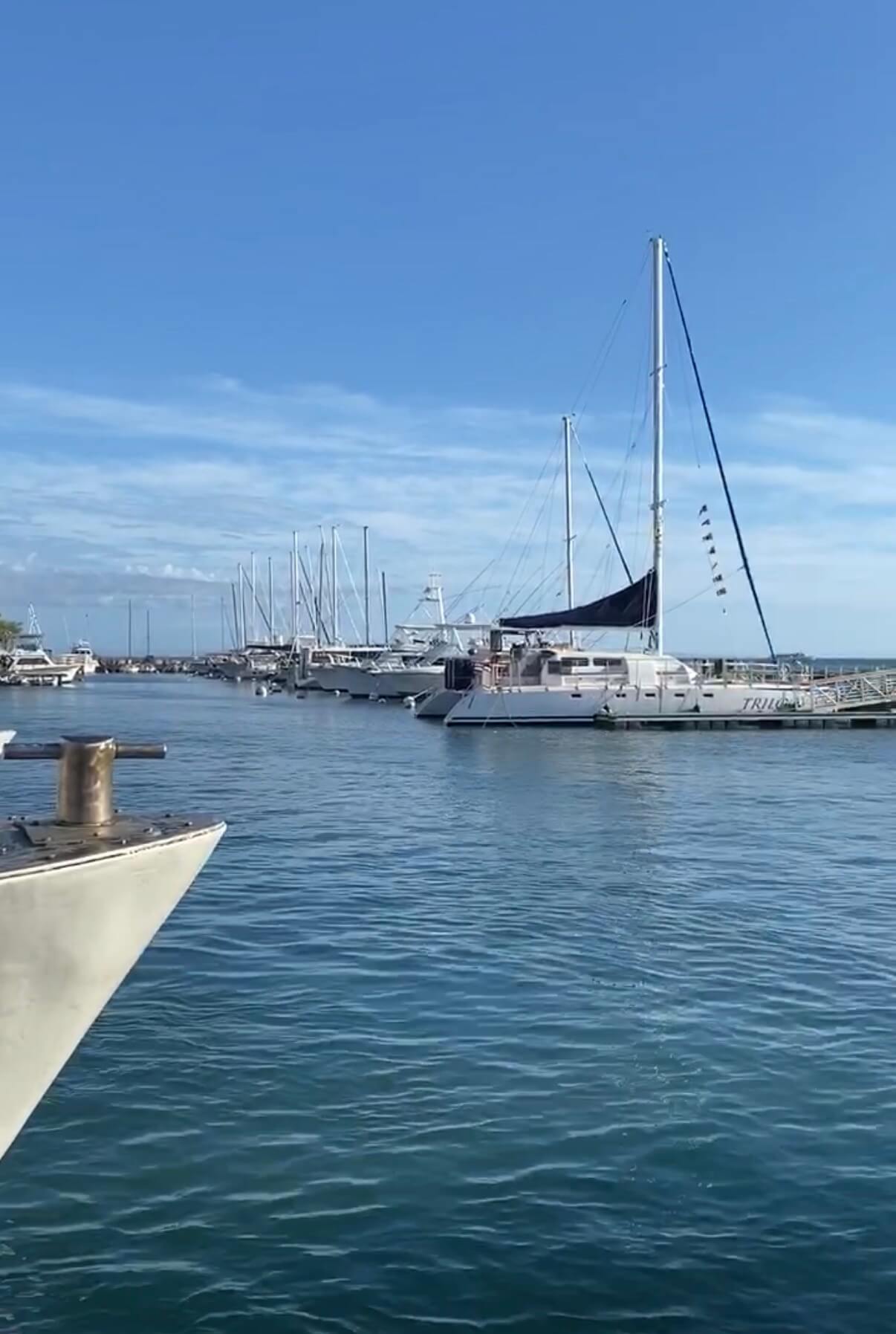
I’ve always loved taking whale watches from Lahaina. The harbor’s location provides quick access to the ʻAuʻau Channel between Maui, Lānaʻi and Molokaʻi, where humpback whales gather during the winter.
Limited commercial boat operations returned to Lahaina Harbor in December 2025, although rebuilding around the harbor and Lahaina town is ongoing. Confirm your exact departure point, parking instructions and check-in location before your tour.
Choosing a Lahaina-based company is also a meaningful way to support local captains and crews as the community continues to recover.
Māʻalaea Harbor
Māʻalaea Harbor is the most convenient choice if you’re staying in Kīhei, Wailea or Central Maui. Aliʻi Nui and Pacific Whale Foundation are two popular companies that leave from here.
Tours board from a dock, making the process easier for families and travelers who don’t want to walk through the water. Māʻalaea can be windy, particularly later in the day, so I generally prefer an earlier departure when possible.
🐋 My Advice: Choose the departure point closest to where you’re staying. You’ll spend less time driving and more time enjoying your day—without sacrificing your chances of seeing whales.

Catamaran vs. Raft: Which Whale-Watching Boat Is Best?
The type of boat you choose can completely change your whale-watching experience. Catamarans provide more space and amenities, while small rafts offer a faster ride closer to the water.
Catamaran Whale Watches
Catamarans generally feel more stable and often include seating, shade and restrooms. Some tours also provide food, drinks and an open bar.
⛵️ Choose a catamaran if you:
- Are prone to seasickness
- Are traveling with children or older family members
- Want shade, seating and a restroom
- Prefer a leisurely, more social atmosphere
- Want room to move around and take photos
Small Raft Whale Watches
Small rafts offer a faster and more adventurous ride, and the lower seating makes the whales feel even larger. However, you’ll feel more ocean movement, and many rafts have limited shade and no restroom.
Some tours also have age limits or restrictions for pregnant travelers and people with back or neck problems.
🚤 Choose a raft if you:
- Want a more adventurous experience
- Prefer a smaller group
- Don’t mind a bumpier ride
- Want to sit closer to the water
- Care more about the wildlife than onboard amenities
🐋 My Pick: I enjoy the raw feeling of a small raft, but I prefer catamarans for their calmer ride and extra room.
What Is the Best Time of Day for Whale Watching in Maui?
Whales are active throughout the day, so no departure time guarantees better sightings. However, I recommend a morning whale watch because the ocean around Maui is often calmer before the trade winds pick up. This can make the ride more enjoyable if you’re prone to seasickness or traveling with young children.
Afternoon tours are still worth booking if they work better with your itinerary. Conditions may be windier or bumpier, but whales don’t disappear once the morning tours return to shore.
🐋 Travel Tip: Schedule your whale watch near the beginning of your Maui trip. If rough ocean conditions cause the tour to be canceled, you’ll have time to reschedule before leaving the island. My Maui itinerary can help you fit whale watching into the rest of your island plans.

What to Expect on a Maui Whale-Watching Tour
Most Maui whale watches last around two hours. After a brief safety introduction, the captain will head toward areas where whales have recently been spotted.
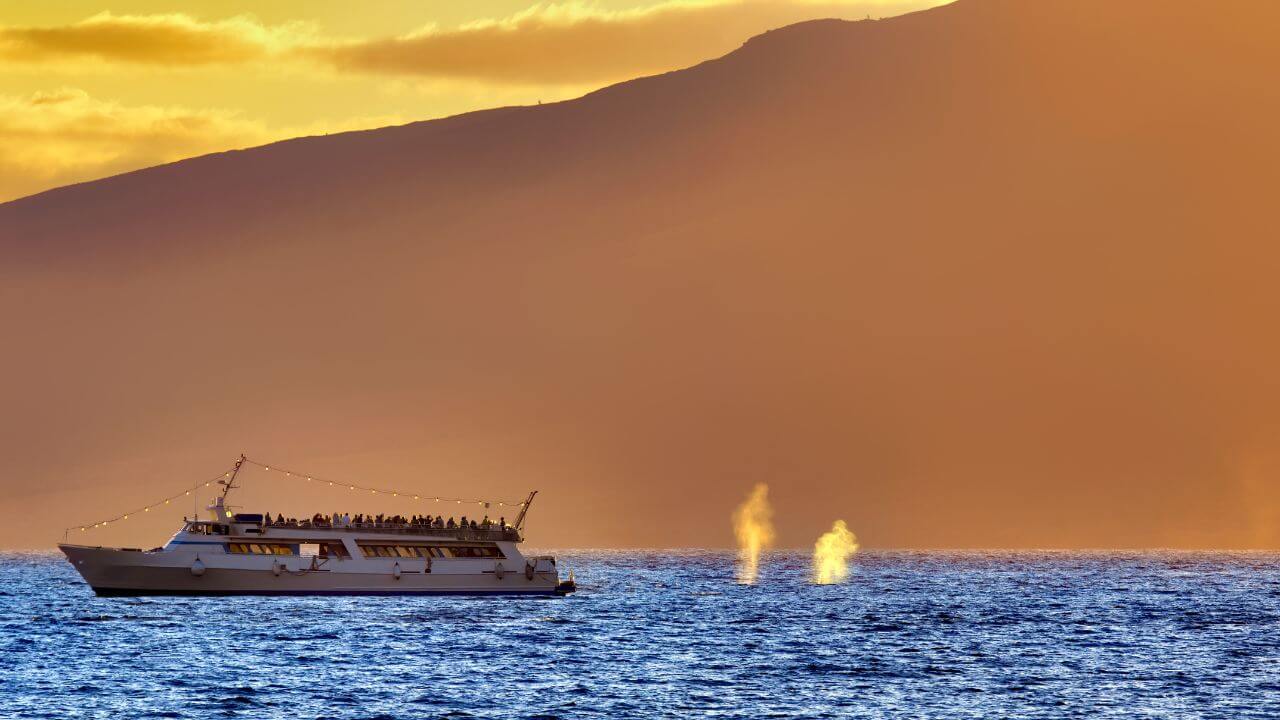
The first sign of a whale is often its blow – a burst of mist rising above the water. Once someone spots one, keep watching that area to see where the whale surfaces next.
Every tour is different, but you’ll see:
- Whales breaching out of the water
- Tail slaps and pectoral fin slaps
- Mothers swimming with their calves
- Calves practicing breaches
- Males competing for a female
- Whales lifting their tails before a deeper dive
- Spouts scattered across the horizon
Many tours also carry a hydrophone, which the crew lowers into the water so you can hear male humpbacks singing below the surface. Hearing whale songs in the middle of the ocean is one of the coolest parts of the experience.
Wildlife is never entirely predictable. You may see nonstop activity or spend more time scanning the horizon—but that uncertainty is part of what makes every whale watch unique.
Best Places to See Whales from Shore in Maui
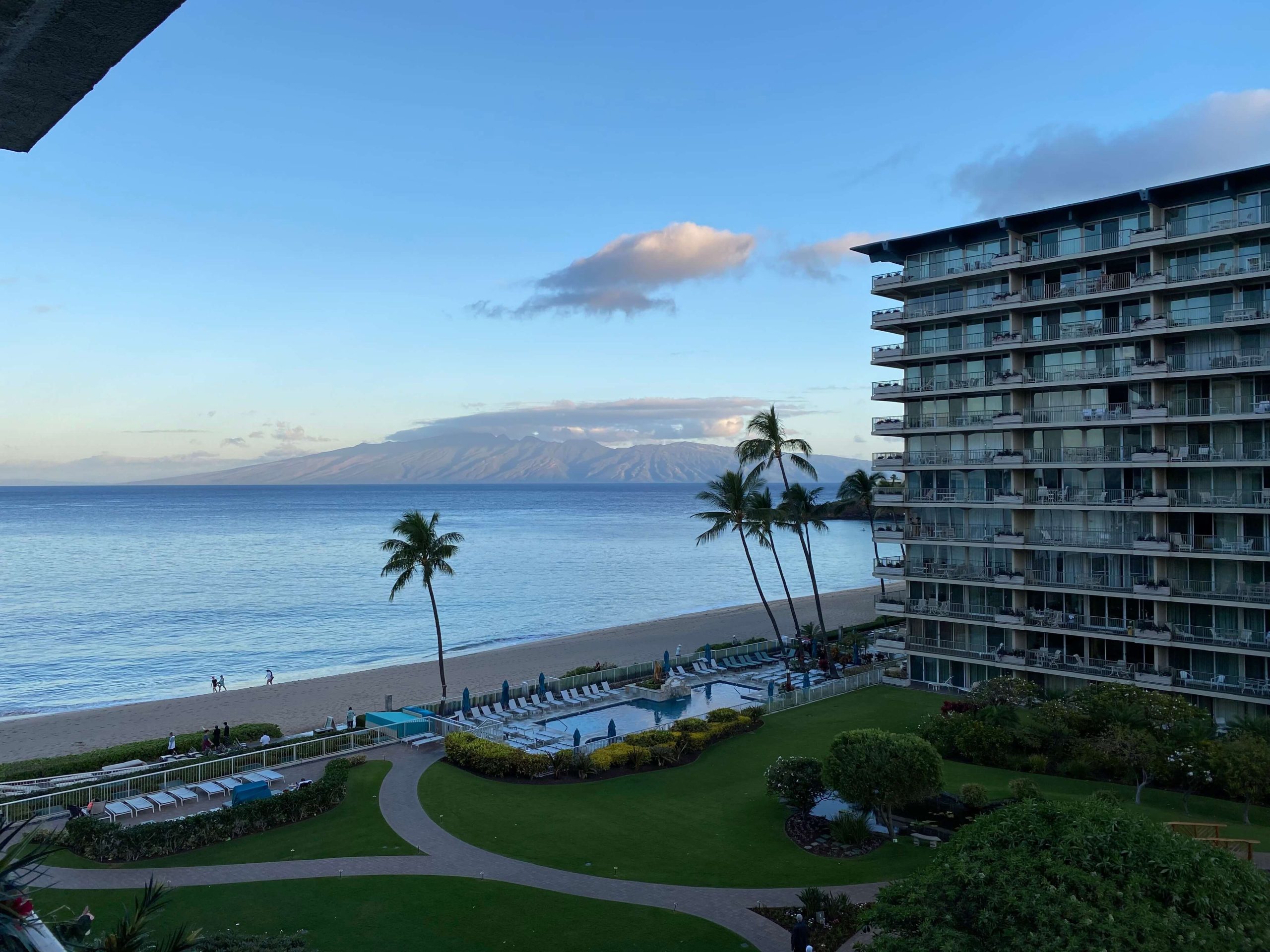
You don’t need to take a boat tour to see humpback whales in Maui. During peak season, you can often spot blows, tail slaps and full breaches from beaches and coastal trails while exploring the best things to do in West Maui.
Some of the best places to watch whales from shore include:
- Papawai Scenic Lookout: This elevated viewpoint along Honoapiʻilani Highway between Māʻalaea and Lahaina is one of Maui’s best-known whale-watching spots. Parking is limited, so only stop in a designated area where you can pull completely off the highway.
- Kāʻanapali Beach: The beach faces the ʻAuʻau Channel and offers open views toward Lānaʻi and Molokaʻi. You may spot whales while enjoying the best things to do in Kāʻanapali.
- Kapalua Coastal Trail: The Kapalua Coastal Trail passes several unobstructed ocean viewpoints where you can stop and watch for whales.
- Kīhei Coastline: Beaches and parks throughout Kīhei offer excellent viewing opportunities. Kamaʻole Beach Park III is particularly good because its grassy hill sits slightly above the water. Whale watching is also easy to pair with the other best things to do in Kīhei.
- Wailea Beach Path: This oceanfront path connects several South Maui resorts and offers open views during a morning walk. Afterward, continue exploring the best things to do in Wailea.
- Makena Beach: Makena’s long shoreline provides expansive ocean views. Whales will usually appear farther away than they would from a boat, but breaches can still be visible during peak season.
Bring binoculars and watch for bursts of mist rising above the horizon. Once you notice a blow, keep watching that area because the whale will usually surface again.
🐋 Travel Tip: Shore viewing is free and can be incredible, but a guided tour gives you a different perspective and helps you understand the behaviors you’re watching.

Whale Watching in Maui with Kids
Whale watching in Maui can be an incredible experience for children, especially during peak season when sightings are frequent. Most dedicated tours last around two hours, which is usually manageable for families without taking up the entire day.
A larger catamaran is generally the best choice when whale watching with kids. These boats provide more seating, shade, restrooms and room to move around than small rafts.
Sea Maui, Gemini and Aliʻi Nui welcome children of all ages, while Pacific Whale Foundation offers a Junior Naturalist program on select tours.
Before booking, check the company’s minimum age and safety requirements. Small rafts frequently have stricter age limits and may not be appropriate for young children.
🐋 Family Tip: Look for a tour with shade, a restroom and food included. If your child is prone to motion sickness, an earlier departure may offer calmer conditions.

What to Wear and Bring Whale Watching in Maui
Even when it feels warm on shore, the wind and ocean spray can make it cooler once the boat starts moving. Wear comfortable clothes that can handle a little water and bring a light layer for the ride.
- Light jacket or long-sleeved shirt: Morning tours can feel chilly before the sun warms up.
- Reef-safe sunscreen: Apply it before boarding and bring extra for longer trips.
- Sunglasses: Polarized lenses can make it easier to spot movement on the water.
- Secure hat: Choose one with a chin strap so it doesn’t blow away.
- Binoculars: Helpful for watching breaches and whale blows in the distance.
- Camera with a zoom lens: Whales must be viewed from a legal distance, so a zoom lens is much more useful than a wide-angle lens.
- Waterproof phone case: Ocean spray and wet hands are common on any boat.
- Motion-sickness remedy: Take it before departure according to the directions.
- Beach-loading shoes: Wear sandals or shoes that are easy to remove because you may need to walk through knee-deep water to reach the boat.
👙 For everything else you’ll need on the island, use my complete Maui packing list.

Responsible Whale Watching in Maui
Humpback whales are protected by federal law, and everyone on the water is responsible for giving them space. In Hawaiʻi, boats, kayaks, paddleboards, swimmers and other ocean users must remain at least 100 yards away from humpback whales. Aircraft, including drones, must stay at least 1,000 feet away.
Whales occasionally approach or swim beneath a stopped tour boat. When this happens, the captain will place the boat in neutral and wait until the whale moves a safe distance away. Let the whale control the encounter and always follow the crew’s instructions.
Choose a reputable tour company that follows viewing regulations, educates its guests and avoids disturbing the whales’ natural behavior.
🐋 Remember: A responsible whale watch can still feel incredibly close. Humpbacks are enormous, and seeing one from 100 yards away is far more impressive than you might expect.

Final Thoughts on Whale Watching in Maui
Whale watching in Maui is absolutely worth it, especially if you visit between January and March. Even after going on dozens of whale watches, I still get excited when I see that first blow on the horizon or watch a humpback breach completely out of the water.
Sea Maui and Teralani remain two of my favorite options from Kāʻanapali. Aliʻi Nui is another excellent choice, particularly if you’re staying in South Maui.
If you want to spend even more time on the ocean, check out these Maui water adventures for more ideas, including snorkeling, surfing, kayaking and sunset sailing.
No two whale watches are ever the same. Whether you see a mother swimming beside her calf, hear whale songs through a hydrophone or witness a full breach, it will likely become one of the highlights of your Maui trip.
Maui Travel Guides ↓
📍Planning a trip to Maui? Check out the guides below for more inspiration and helpful tips to plan your ultimate getaway to the Valley Isle.
Enjoy this Post?!?! Pin in for Later ↓